Top Emergency Plumbers in Lionville, PA, 19341 | Compare & Call

There are 239 plumbing companies server in Lionville PA
Philadelphia Plumbing Services, LLC is a locally owned and operated plumbing company established in 2012. Our registered Master Plumber and team provide reliable residential and commercial plumbing se...
Goodman Plumbing
Goodman Plumbing has been a trusted name in Philadelphia, Bucks, and Montgomery Counties since 1956. As a second-generation, family-owned and operated business, we bring over six decades of local expe...
Pinnacle Plumbing
Pinnacle Plumbing is a family-owned and operated business serving Philadelphia with over 25 years of dedicated local experience. We understand that plumbing problems are more than just an inconvenienc...
Valdel Plumbing is a licensed plumbing company serving Norristown, PA, and surrounding areas since 2013. We provide comprehensive plumbing services for both residential and commercial clients, includi...
Glenolden Plumbing Services is a locally-owned plumbing business in Philadelphia, PA, founded in 2017 by master plumber Sabrina. With over a decade of experience, Sabrina has built a reputation for re...
Facelift Remodelers & Plumbing Services
Facelift Remodelers & Plumbing Services is a Philadelphia-based plumbing company dedicated to providing reliable and transparent plumbing solutions for local homeowners. With expertise in water heater...
Best Choice Plumbing & Heating
Best Choice Plumbing & Heating has been a trusted, family-owned resource for Philadelphia homeowners since 1996. Founded by Bob Huttenlock, whose expertise spans over three decades, we provide reliabl...
Victor James Plumbing & Heating has been a trusted, family-owned plumbing contractor serving Phoenixville and the surrounding Chester County communities since 1987. Founded by master plumber Victor Ja...
Zoom Drain in Plymouth Meeting, PA, is built on a legacy of family, hard work, and dedication to local service. Founded nearly three decades ago by Jim Criniti and his family, the business grew from a...
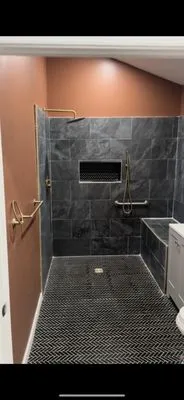
Founded by tradespeople who built strong relationships within the Philadelphia construction community, Bottom Side Plumbing and Other Things is a general contracting company dedicated to helping local...
Estimated Plumbing Costs in Lionville, PA
Common Questions
How quickly can a plumber get to my home in Lionville?
Heading past Marsh Creek State Park on US-30 is a common dispatch route into the core of Lionville and the Station area. This allows for a typical 20 to 30 minute response from the time of your call. Traffic on US-30 can be a variable, but knowing the back routes through the township ensures we can navigate efficiently to address urgent issues like a burst pipe or a failed water heater.
What's the most important thing to do before spring in Lionville to avoid plumbing problems?
The spring thaw, after winter lows around 22°F, is a critical period. A key pro-tip is to disconnect and drain your garden hoses before the last freeze. A frozen hose bib can trap water, which then expands during a thaw and cracks the pipe inside your wall. Ensuring all exterior faucets are fully drained and shut off from the inside valve prevents this common and costly seasonal leak.
Do I need a permit to replace my water heater in Lionville?
Yes, Uwchlan Township requires a permit for water heater replacement, governed by the Pennsylvania Department of Labor and Industry codes. As a licensed master plumber, I handle that red tape directly with the Building and Zoning Department. This ensures the installation is inspected and certified, which is crucial for your home's safety, insurance, and future resale value. You don't have to navigate the paperwork yourself.
Could the hilly land around here be causing my slow drains?
The hilly terrain, similar to the slopes around Marsh Creek State Park, directly impacts drainage. A home's main sewer lateral must maintain a consistent downward slope to the municipal main. Over decades, soil settling on these hills can cause a low spot or a belly in the pipe, where waste and debris collect and cause chronic clogs. A camera inspection can diagnose this specific terrain-induced issue.
Why are my copper pipes starting to leak all of a sudden?
Copper pipes installed in 1979 are susceptible to specific failures at this age. The most common is pinhole leaks from internal corrosion, often accelerated by our local water's mineral content. You may also see joint failures where solder has degraded over nearly five decades. These leaks typically start small, causing staining or moisture, but can rapidly escalate if the pipe wall is significantly compromised.
My house in Lionville Station was built in the late 70s. Should I be worried about the plumbing?
Homes built around 1979 have copper pipes that are now 47 years old. In this area, copper from that era is reaching the end of its typical service life. Homeowners are now seeing a pattern of pinhole leaks, often behind walls or under slabs, caused by decades of water chemistry and wear. Proactive inspection of supply lines, especially at joints and bends, can identify thinning walls before a major failure occurs.
Does the hard water from the Brandywine Creek area damage appliances?
Water sourced from the Brandywine watershed is very hard, leading to significant scale buildup. Inside a water heater, this scale acts as an insulating barrier, forcing the unit to work harder and fail prematurely. On fixtures and showerheads, it restricts flow and causes premature wear. Installing a whole-house water softener is the most effective defense, protecting your water heater, dishwasher, and all your faucets from accelerated scale damage.
I'm on municipal water in Uwchlan Township. Why is my water pressure so inconsistent?
In a suburban setting like ours, inconsistent pressure often points to two issues. First, aging copper supply lines from the street to your house may have significant scale buildup from hard water, restricting flow. Second, the pressure regulator valve, typically located where the main line enters your home, can fail after 20-25 years. Testing the pressure at different fixtures helps isolate whether it's a municipal issue or a problem with your private plumbing infrastructure.
