Top Emergency Plumbers in Lincoln University, PA, 19352 | Compare & Call

Lincoln University Emergency Plumbers
Phone : (888) 860-0649
There are 199 plumbing companies server in Lincoln University PA

Glenolden Plumbing Services is a locally-owned plumbing business in Philadelphia, PA, founded in 2017 by master plumber Sabrina. With over a decade of experience, Sabrina has built a reputation for re...
Zoom Drain in Plymouth Meeting, PA, is built on a legacy of family, hard work, and dedication to local service. Founded nearly three decades ago by Jim Criniti and his family, the business grew from a...
Founded by tradespeople who built strong relationships within the Philadelphia construction community, Bottom Side Plumbing and Other Things is a general contracting company dedicated to helping local...
Clear Flow Drain Cleaning & Plumbing is a trusted local plumbing service based in Philadelphia, PA, dedicated to keeping homes and businesses running smoothly. We specialize in a comprehensive range o...
CONTRACTOR PROS is a Swarthmore-based contracting business owned and operated by a 21-year Army combat veteran. With core values of honor, integrity, respect, service, and professionalism at the foref...
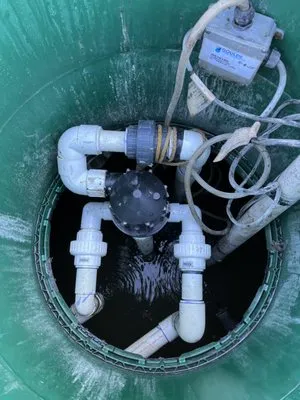
Penn Forge is a trusted, full-service handyman company serving Nottingham, PA, and the surrounding communities. We specialize in electrical work, plumbing, drywall repair, floor installation, and comp...
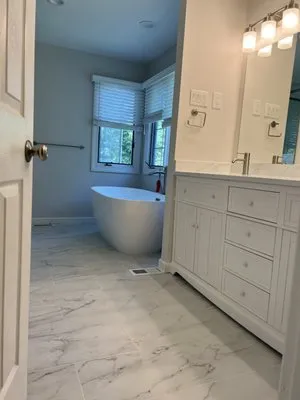
Blue Contracting is a licensed construction and remodeling company serving Plymouth Meeting, PA, and the greater Philadelphia area. We provide a comprehensive range of services tailored for both resid...
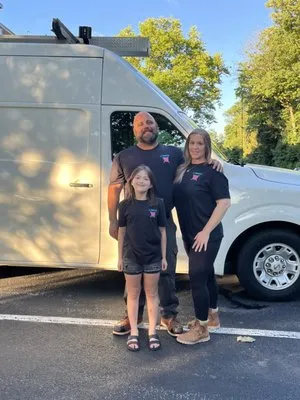
J.L. Ricciutti LLC is a family-owned and operated plumbing and HVAC business serving Newtown Square, PA, with over 25 years of combined experience. Founded in August 2023 by John Ricciutti, a graduate...
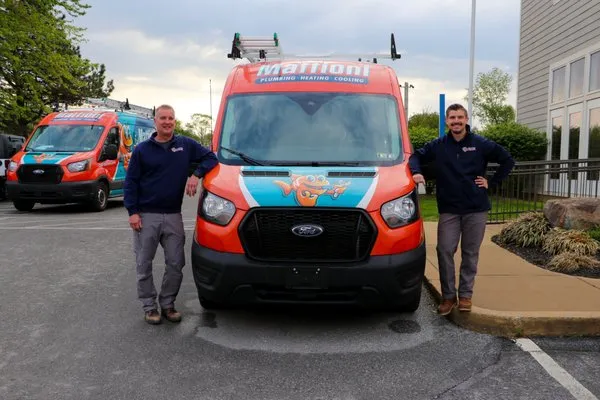
Mattioni Plumbing, Heating & Cooling
Mattioni Plumbing, Heating & Cooling has been a trusted family-owned provider in Southeastern Pennsylvania since 1948, originally operating from a barn on the Mattioni family farm along Route 113 in D...
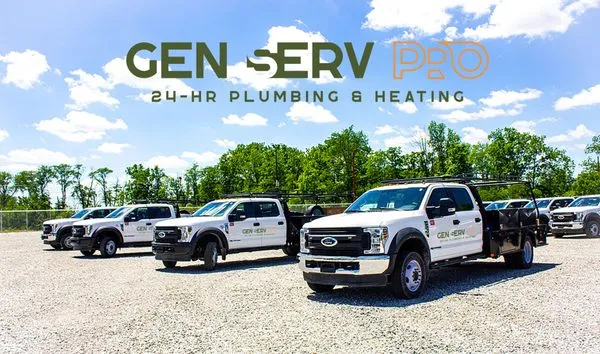
GenServ Pro is your trusted local partner for home improvement and essential systems in Media, PA. Our licensed team provides reliable plumbing and HVAC services alongside comprehensive remodeling and...
Estimated Plumbing Costs in Lincoln University, PA
FAQs
Who pulls the permits for a plumbing job, and is it complicated here?
I handle all permit paperwork with the Lower Oxford Township Building Department. As a Master Plumber licensed by the Pennsylvania Department of Labor and Industry, it's my responsibility to ensure the work meets all state and local code. You won't need to navigate that red tape; I file the plans, schedule the inspections, and close out the job legally on your behalf.
Our pipes are from the 80s. Should we be worried about them failing soon?
Homes built around 1984, like many in Lincoln University Village, now have copper piping that's over 40 years old. At this age, the internal protective lining can wear thin, making the pipe walls vulnerable. Homeowners are starting to see persistent pinhole leaks, especially at solder joints and elbows where water flow changes direction. It's the predictable lifecycle of that era's copper.
What's the most common plumbing repair for a 40-year-old copper system?
Pinhole leaks caused by pitting corrosion are the signature failure for copper of this vintage. Microscopic imperfections in the pipe wall, combined with decades of water chemistry and flow, create concentrated spots of erosion that eventually perforate. You'll often find these leaks first on horizontal hot water lines or near dielectric unions where dissimilar metals meet.
Are there different maintenance concerns for rural plumbing versus in-town systems?
Absolutely. With a private well and septic system, you're responsible for the entire water cycle on your property. That means maintaining the well pump and pressure tank, monitoring for sediment, and ensuring your septic field drains properly. There's no municipal backup, so a failure in your well system means an immediate and complete loss of water to the house.
What's one thing I should do every spring to avoid a plumbing disaster?
Before the spring thaw really sets in, make a point to inspect all exposed pipes in your basement or crawlspace. Look for any condensation or slight sweating, which can indicate a tiny leak that will worsen as water volume increases with the thaw. Catching a minor drip then prevents a major rupture when the system is under full pressure later in the season.
How long does it take for a plumber to get here from the main road?
From our shop, the dispatch route heads past Lincoln University onto US-1. That stretch can be straightforward, but turning off onto the local roads adds time. For a service call in the village, you're looking at a 45 to 60 minute window from the initial call to our truck pulling up your driveway, depending on traffic and your specific location off the highway.
Could the hills around here be causing issues with my main sewer line?
Hilly terrain places constant, uneven stress on buried main drain lines. The soil itself can shift gradually downhill over time, putting lateral stress on pipe joints. Furthermore, drainage patterns on slopes can concentrate groundwater around your line, increasing hydrostatic pressure and the risk of infiltration or joint separation, especially during heavy rains or thaw cycles.
Does having a private well mean more problems with my water heater?
Yes, private wells typically draw hard water, which is high in dissolved minerals like calcium and magnesium. As that water is heated, the minerals precipitate out as scale, coating the inside of your water heater tank and elements. This insulating layer reduces efficiency, increases energy costs, and can lead to premature tank failure from overheating the metal.
