Top Emergency Plumbers in Lincoln Township, PA, 15501 | Compare & Call

There are 123 plumbing companies server in Lincoln Township PA
1-Tom-Plumber is a trusted plumbing service in Tarentum, PA, offering comprehensive solutions for both residential and commercial clients. Available 24/7/365, we specialize in everything from routine ...

Metz Plumbing & Sewer Lining LLC is a family-owned plumbing service rooted in Canonsburg, PA, with over 20 years of industry experience. Founded by professionals who previously managed a large local c...
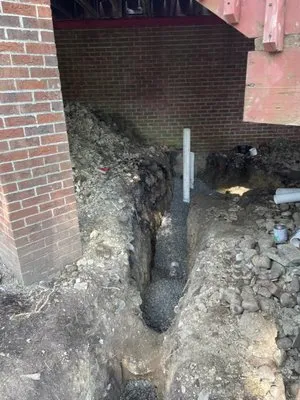
G Horvath Plumbing is a trusted, locally-owned plumbing service serving Pittsburgh and the surrounding communities. As a full-service plumbing contractor, they handle everything from routine repairs t...
Zoom Drain of Pittsburgh is a locally owned and operated plumbing service founded by Pittsburgh native Mark Puzas. With deep roots in the community and a background in accounting and real estate, Puza...
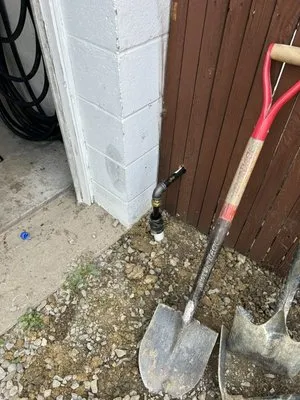
Kaleb's Kustom Plumbing is a veteran-owned company serving Pittsburgh, founded in 2023 on principles of integrity, honesty, and respect. As a proud Air Force veteran, husband, and father of four, owne...

RJS Plumbing is a locally-owned and operated Pittsburgh plumbing service built on a foundation of integrity and fairness. After nearly two decades working for other companies in the area, owner Ryan r...
Perfect Pipes Plumbing is a trusted local plumbing service in Pittsburgh, PA, dedicated to helping homeowners tackle common plumbing problems like garbage disposal jams and broken shutoff valves. With...

Steve the Plumber is a Pittsburgh-based plumbing and electrical service provider with eight years of hands-on experience in the trade. Working under a master plumber since 2017, Steve now operates ind...
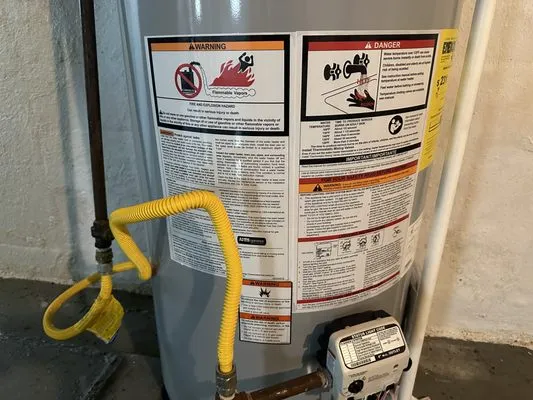
Day to Day Plumbing has been Pittsburgh's trusted plumbing partner since 2019, providing reliable and professional solutions for homeowners and businesses throughout the area. We specialize in compreh...
Shelton Plumbing
Shelton Plumbing has been the trusted, family-owned plumbing service for Pittsburgh and the A-K Valley since 1983. Founded by Master Plumber John Shelton, our company was built on the principles of re...
Estimated Plumbing Costs in Lincoln Township, PA
FAQs
What's the most important thing to do for my pipes before spring?
Before the spring thaw hits its peak, make sure any exterior hose bibs are shut off from inside the house and drained. While our low of 20°F is moderate, the repeated freeze-thaw cycles can still cause unprotected lines to burst. A pro-tip is to check the insulation on pipes in unheated crawl spaces or garage walls, as those are the most vulnerable spots during a cold snap.
How long does it take a plumber to get to my house in Lincoln Township?
From our dispatch, the route typically involves heading past Lincoln Township Community Park to access US-30. That corridor is the main artery for reaching most of the township. Barring unexpected traffic, we can generally be on-site within 45 to 60 minutes from the initial call, which we factor into our scheduling for emergency service.
Why are so many homes in Lincoln Estates having plumbing problems all of a sudden?
The copper plumbing in these homes, installed around 1971, is now 55 years old. At this age, the pipe walls thin from decades of internal water flow and mineral abrasion. Homeowners are starting to see an uptick in pinhole leaks, particularly behind walls and under slabs, as the metal reaches the end of its service life. This isn't a coincidence; it's a predictable lifecycle event for the original infrastructure of the neighborhood.
Are septic system problems different from sewer problems?
Absolutely. In a rural setting with a private septic system, the homeowner is responsible for the entire waste line from the house to the tank and drain field. Problems are often related to tank maintenance, drain field saturation, or root intrusion into the private line. There's no municipal sewer authority to call; it requires a plumber familiar with onsite wastewater system diagnostics and repair.
Can the hilly land around here cause plumbing issues?
The sloping terrain, like the grades near Lincoln Township Community Park, directly stresses plumbing. Drain lines rely on gravity, and improper pitch due to settling soil can lead to slow drains or blockages. For the main water line coming from the well, the constant tension and potential for ground movement on a hillside can stress fittings and joints over many years.
What causes those tiny leaks in copper pipes?
In 55-year-old copper systems, pinhole leaks are a common failure. They often start from a combination of internal pitting corrosion, which is accelerated by our local water chemistry, and the natural thinning of pipe walls. The leaks frequently appear at solder joints or along horizontal runs where water and sediment sit, leading to localized corrosion that eventually penetrates the copper.
Do I need a permit to replace my water heater?
In Lincoln Township, most significant plumbing work, including water heater replacement, requires a permit from the Township Building Department. The installation must comply with Pennsylvania Department of Labor and Industry codes. We handle pulling the permit, scheduling the required inspections, and ensuring the work passes code. This manages the red tape so you don't have to navigate it yourself.
Does having a private well mean my water heater will fail sooner?
Yes, it often does. Water from private wells here is typically hard, meaning it has a high mineral content. Those minerals, primarily calcium and magnesium, form scale buildup inside the water heater tank and on its heating elements. This insulating layer forces the unit to work harder, reducing efficiency and lifespan, while also clogging fixtures and aerators throughout the house.
