Top Emergency Plumbers in Lincoln Park, PA, 19609 | Compare & Call

There are 230 plumbing companies server in Lincoln Park PA
Zoom Drain in Plymouth Meeting, PA, is built on a legacy of family, hard work, and dedication to local service. Founded nearly three decades ago by Jim Criniti and his family, the business grew from a...
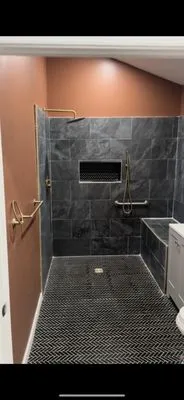
Founded by tradespeople who built strong relationships within the Philadelphia construction community, Bottom Side Plumbing and Other Things is a general contracting company dedicated to helping local...
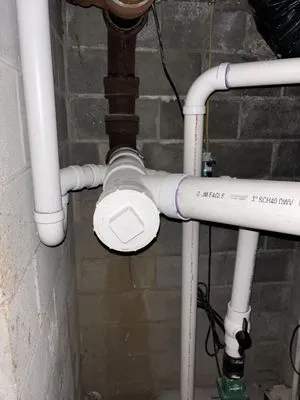
Clear Flow Drain Cleaning & Plumbing is a trusted local plumbing service based in Philadelphia, PA, dedicated to keeping homes and businesses running smoothly. We specialize in a comprehensive range o...
Burnside Plumbing and Heating
Burnside Plumbing and Heating is a true family operation, built on generations of plumbing expertise right here in Berwyn. Founded by Greg, a master plumber since 1984 who learned the trade from his f...
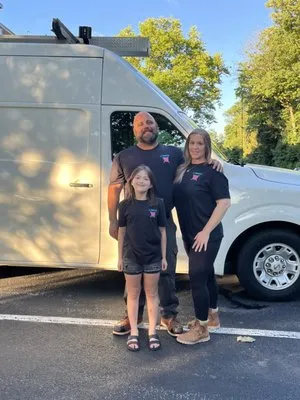
J.L. Ricciutti LLC is a family-owned and operated plumbing and HVAC business serving Newtown Square, PA, with over 25 years of combined experience. Founded in August 2023 by John Ricciutti, a graduate...
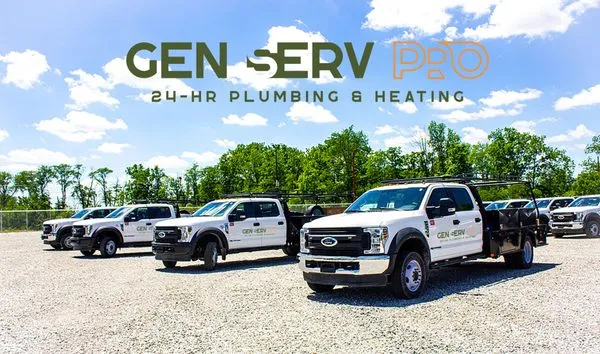
GenServ Pro is your trusted local partner for home improvement and essential systems in Media, PA. Our licensed team provides reliable plumbing and HVAC services alongside comprehensive remodeling and...

Hi, I'm Jim Morrow, owner-operator of James Morrow Electrician. My passion for electrical work started in 9th grade shop class—I wasn't just satisfied to see a light turn on; I needed to understand th...
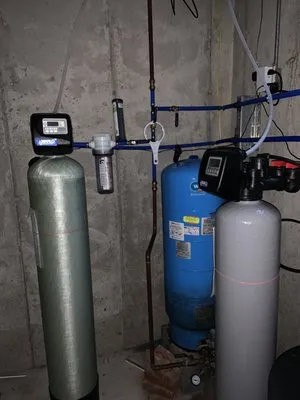
EMJ Plumbing is a trusted, family-owned and operated plumbing service that has been a reliable fixture in Hokendauqua and the greater Lehigh Valley for over 15 years. Our experienced team specializes ...
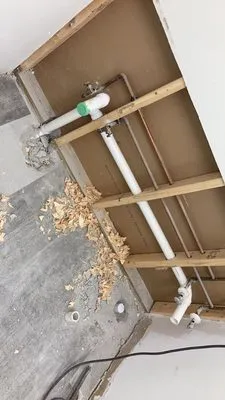
Star Plumbing and Fixture Repair is a locally owned and operated plumbing service in Stiles, PA, founded by Tim, who brings 4 years of hands-on experience from working with various companies on projec...
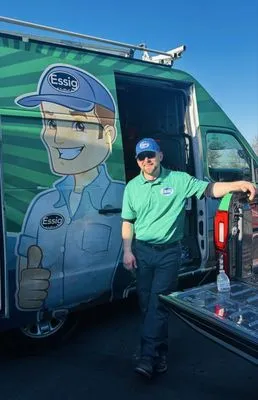
Essig Plumbing & Heating has been serving Berks County since 1938 as a family-owned plumbing and HVAC contractor. With three generations of experience, we provide comprehensive services including plum...
Estimated Plumbing Costs in Lincoln Park, PA
Questions and Answers
Do I need a permit to replace my water heater or repipe my house?
Yes, most major plumbing work in Cumru Township requires a permit from the Building and Zoning Department. As a master plumber licensed by the Pennsylvania Department of Labor and Industry, I handle pulling those permits, scheduling inspections, and ensuring the work meets all code requirements. My credential means I manage the red tape so you don't have to, and the job is documented correctly for future homeowners.
What's the most important plumbing maintenance for a Lincoln Park winter?
Before temperatures consistently hit that 22-degree low, disconnect and drain all outdoor hoses. Insulate any exposed pipes in unheated spaces like crawl spaces or garages. The real pro-tip for our temperate climate is to check your basement for drafts during the spring thaw; that's when a sudden overnight freeze can catch you off guard and split a pipe that seemed safe all winter.
Could the hilly land around here cause plumbing problems?
The slope of the land, like around the Reading Public Museum area, puts extra gravitational stress on your main sewer line. Over decades, this constant pressure can cause joints to separate or the pipe to sag, creating a belly that collects debris and leads to backups. During heavy rain, surface water runoff in these areas can also overload municipal systems, increasing the risk of a basement backup through your floor drain.
As a suburban homeowner, what are my main plumbing concerns?
Your primary concerns are the age of the private infrastructure—your service line and interior pipes—and maintaining a proper connection to the municipal system. Tree roots seeking water are a constant threat to the sewer lateral running from your house to the street main. Also, understanding your home's water pressure from the township supply is important; consistent high pressure can accelerate failures in old galvanized systems.
How old are the pipes in my Lincoln Park house built around 1957, and what should I expect?
Your galvanized steel plumbing is now 69 years old. In Lincoln Park, pipes of this vintage are often at the end of their functional life. You might be seeing a significant drop in water pressure from interior scale buildup, or noticing discolored, rusty water when you first turn on a tap. These are clear signs the internal diameter of the pipes has been compromised, and complete failure is a matter of when, not if.
Why do I keep getting pinhole leaks in my old pipes?
Galvanized steel from 1957 corrodes from the inside out. The protective zinc coating wore off decades ago, leaving the raw steel to rust. This creates weak spots that eventually fail as pinhole leaks, often at threaded joints or where pipes are under stress. In a home of this age, one pinhole leak is rarely an isolated incident; it usually indicates widespread corrosion throughout the system.
Does the hard water in Lincoln Park damage my water heater?
Yes, the mineral content from the Schuylkill River watershed leads to rapid scale buildup. Inside your water heater, this scale acts as an insulator on the heating elements or gas burner, forcing it to work harder and fail sooner. You'll also see scale crusting on faucet aerators and showerheads, reducing flow. An annual flush of the water heater tank can help manage this, but the hard water is constant.
How quickly can a plumber get to my home in Lincoln Park during an emergency?
Heading past the Reading Public Museum on US-422, a dispatch route puts me in most of the Lincoln Park neighborhood within 20 to 30 minutes. Knowing the back routes off the highway is key to avoiding traffic snarls around the museum or on 422, especially during peak hours. This local knowledge ensures a reliable response when you have water spraying in your basement.
