Top Emergency Plumbers in Limestone, PA, 17702 | Compare & Call

There are 238 plumbing companies server in Limestone PA
Drain Works is your trusted Wheeling plumbing specialist. When clogs or leaks disrupt your home, we provide same-day service to restore your peace of mind. Our team brings deep expertise and specializ...
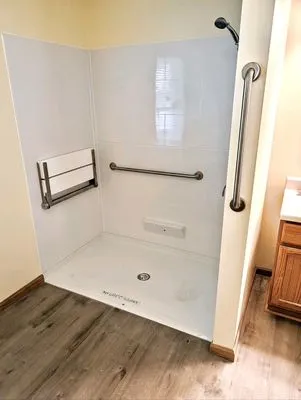
Prime Plumbing is a trusted local plumbing and remodeling contractor serving Moundsville, WV, and surrounding areas. With years of experience, we specialize in a comprehensive range of services includ...
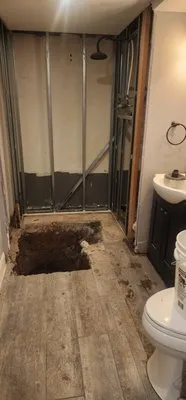
Dave's Plumbing Service
Dave's Plumbing Service has been a trusted provider of residential and commercial plumbing solutions in the Triadelphia, Wheeling, Moundsville, and St Clairsville areas for many years. We are a fully ...
Mr. Rooter Plumbing of Weirton
Mr. Rooter Plumbing of Weirton is a locally-owned plumbing service led by Master Plumber Bob Beall, who brings approximately 30 years of experience to every job. Despite facing personal challenges, in...
Cipoletti Plumbing
Cipoletti Plumbing is a trusted, full-service plumbing company serving Wellsburg, WV, and the surrounding areas. We specialize in addressing the common plumbing challenges faced by local homeowners, s...
JM Cashdollar Plumbing began by handling all types of residential maintenance work in the Chester area. Through that experience, we recognized a pressing, local need for reliable plumbing services and...
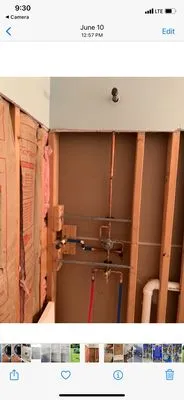
Advanced Plumbing in Austintown, OH, is a trusted local plumbing service provider dedicated to helping homeowners and businesses with a wide range of plumbing needs. From routine installations and rep...
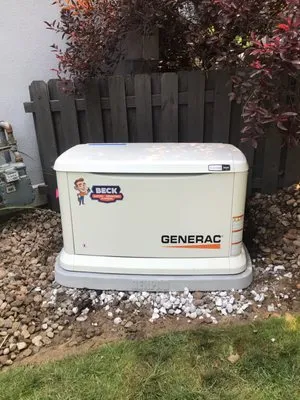
Beck Electric, Generators, & Plumbing
Since 2007, Beck Electric, Generators & Plumbing has been a trusted, family-owned resource for Canton and Waynesburg area homeowners. We provide reliable electrical and plumbing solutions for both eve...
Shoreside Plumbing has been Rome's trusted local plumbing expert since 1998. Founded by James, who has over two decades of experience from his time with T&J Septic and McPhillips Plumbing, our team no...
Ark Plumbing is a family-owned and operated plumbing company serving Madison, OH, with over 30 years of local experience. We provide reliable plumbing services including installation, repair, and emer...
Estimated Plumbing Costs in Limestone, PA
FAQs
Are plumbing issues different out here in the country compared to town?
Rural plumbing here revolves around the private well and septic system, which are your responsibility. Pressure is managed by a well pump and pressure tank, not a municipal supply. Septic system health is critical; what goes down any drain directly impacts the leach field. You don't have a city sewer backup to call, so maintenance and mindful water use are essential.
Does having a private well with hard water damage my appliances?
Yes, the mineral content in well water here causes significant scale buildup. Inside a water heater, this scale acts as an insulator, forcing the unit to work harder and burn out heating elements prematurely. On fixtures, it restricts flow and degrades seals and cartridges. Installing and maintaining a whole-house water softener is the most effective way to protect your plumbing investment.
How quickly can a plumber get to me if I'm in Limestone?
Dispatch from this area often starts by heading past Allegheny National Forest on US-219. That route means a 45 to 60 minute response for most calls in Limestone. It's a straightforward drive, but weather on the ridge or seasonal traffic can add time. We plan for that transit so you get an accurate window.
Our house was built in the late 70s. What kind of plumbing problems should I expect in Limestone Center?
Homes built around 1978 have copper pipes that are now 48 years old. At this age, the interior walls of the pipe have thinned from decades of water flow and mineral abrasion. Homeowners in Limestone Center often start seeing pinhole leaks, particularly at soldered joints where corrosion can concentrate. This is a normal failure point for copper of this vintage, and it typically requires section replacement rather than a patch.
Who handles permits and inspections for a new water heater in Limestone Township?
The Limestone Township Municipal Office issues the required permits, and the installation must meet Pennsylvania Department of Labor and Industry code. As a licensed master plumber, I pull those permits and schedule the inspections as part of the job. This ensures the work is documented correctly for your home's records and that you don't have to navigate the red tape yourself.
Could the hilly land around here be causing my drainage issues?
The sloping terrain common near Allegheny National Forest puts constant, uneven stress on buried main sewer or water lines. Over decades, this can cause joints to separate or pipes to sag, creating low spots that collect debris and lead to blockages. For drainage, surface water runoff gains speed on hills, which can overwhelm perimeter drains if they aren't cleared of leaves and sediment annually.
Why are my copper pipes suddenly leaking after all these years?
Copper installed in 1978 is susceptible to pinhole leaks caused by a process called Type 1 pitting corrosion. Hard, acidic water from private wells accelerates this by creating small, concentrated pits in the pipe wall. These pits eventually penetrate, leading to leaks that often appear first on horizontal hot water lines or at fittings. The age of the pipe means the material's natural resistance has been exhausted.
What's one thing I should do before winter to avoid a frozen pipe disaster?
Before temperatures hit 15°F, disconnect and drain all outdoor hoses. Air out the interior hose bibs, then shut off their interior supply valves and open the outside faucet to drain the line. This simple step prevents the most common freeze burst, as water trapped in that short exterior pipe section has no room to expand. It's a five-minute task that saves a major repair.
