Top Emergency Plumbers in Langhorne Manor, PA, 19047 | Compare & Call

There are 238 plumbing companies server in Langhorne Manor PA
Plumbing Pals
Plumbing Pals is a family-owned and operated plumbing company serving Philadelphia and the surrounding communities. We specialize in drain cleaning, hydro jetting, and camera scope inspections, provid...
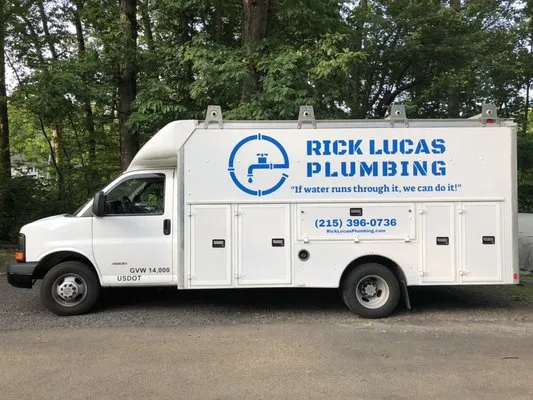
Rick Lucas Plumbing & Remodeling - Plumber in Bucks County
Rick Lucas Plumbing & Remodeling is a family-owned and operated plumbing service proudly serving Feasterville-Trevose and all of Bucks County. With over 35 years of hands-on experience and a master pl...
Goodman Plumbing
Goodman Plumbing has been a trusted name in Philadelphia, Bucks, and Montgomery Counties since 1956. As a second-generation, family-owned and operated business, we bring over six decades of local expe...
Pinnacle Plumbing
Pinnacle Plumbing is a family-owned and operated business serving Philadelphia with over 25 years of dedicated local experience. We understand that plumbing problems are more than just an inconvenienc...
WJW Plumbing and HVAC is a trusted, full-service company serving Philadelphia and the surrounding area. We specialize in professional plumbing and HVAC installations, from emergency pipe repairs and w...
Glenolden Plumbing Services is a locally-owned plumbing business in Philadelphia, PA, founded in 2017 by master plumber Sabrina. With over a decade of experience, Sabrina has built a reputation for re...
Facelift Remodelers & Plumbing Services
Facelift Remodelers & Plumbing Services is a Philadelphia-based plumbing company dedicated to providing reliable and transparent plumbing solutions for local homeowners. With expertise in water heater...
Best Choice Plumbing & Heating
Best Choice Plumbing & Heating has been a trusted, family-owned resource for Philadelphia homeowners since 1996. Founded by Bob Huttenlock, whose expertise spans over three decades, we provide reliabl...
Active Plumbing and Drain Cleaning
Active Plumbing and Drain Cleaning is a trusted, full-service plumbing company serving Philadelphia and the surrounding area. With over two decades of hands-on experience, Larry and the team specializ...
Zoom Drain in Plymouth Meeting, PA, is built on a legacy of family, hard work, and dedication to local service. Founded nearly three decades ago by Jim Criniti and his family, the business grew from a...
Estimated Plumbing Costs in Langhorne Manor, PA
FAQs
My home was built in the 1940s like many in Langhorne Manor Borough. Should I be worried about my plumbing?
Yes, proactive concern is warranted. Galvanized steel pipes installed around 1947 are now nearly 80 years old. Their expected lifespan is 50-70 years. Homeowners here are currently seeing widespread failures, with sections of pipe becoming so clogged with internal rust and scale that water pressure drops to a trickle. Complete pipe wall failures, leading to leaks inside walls and under slabs, are a common outcome at this age. Replacing these lines before they fail completely prevents significantly more expensive emergency repairs and water damage.
Could the hilly land around Core Creek Park affect my home's main sewer line?
Absolutely. The sloping terrain common in this area puts constant gravitational stress on the main sewer lateral running from your house to the municipal connection. Over decades, this can cause the pipe to settle, sag, or develop bellys where waste collects and causes blockages. During heavy rain, groundwater saturation in the hills can also infiltrate older, compromised sewer lines, leading to basement backups. A video inspection can reveal these terrain-induced issues before they cause a problem.
Do I need a permit to replace my water heater or re-pipe my house in Langhorne Manor?
Yes, most plumbing work requires permits from the Langhorne Manor Borough Zoning and Building Department. As a licensed master plumber with credentials from the Pennsylvania Department of Labor and Industry, I handle pulling the permits, scheduling the required inspections, and ensuring the work meets all current code. This process protects your home's value and safety. My job is to manage that red tape so you don't have to navigate the bureaucracy yourself.
What is the most common plumbing problem in older Langhorne Manor homes?
Pinhole leaks in galvanized steel supply lines are the signature failure. After decades, internal corrosion creates weak spots that finally perforate, often first appearing at pipe joints or threaded fittings. Another critical issue is joint calcification, where minerals in the hard water cement the threaded connections shut. Attempting to turn a valve on an 80-year-old galvanized line can easily shear the pipe, turning a simple repair into a major project requiring wall access.
What's one thing I should do each fall to prepare my plumbing for winter?
Before temperatures consistently hit that 24-degree low, disconnect and drain all outdoor garden hoses. Store them indoors. An attached hose holds water back in the bib's interior valve, which can freeze and split the pipe inside your wall. For hose bibs without a separate interior shut-off, installing insulated frost-proof covers is essential. This simple, five-minute task prevents the most common and easily avoidable freeze-related leak we see every spring thaw.
As a homeowner in a suburban borough, what should I know about my sewer responsibility?
You are responsible for the entire sewer lateral from your house to the connection with the main borough line in the street. Tree roots from mature suburban landscaping are a primary cause of blockages and breaks in this private line. A backwater valve installed on your main drain line is a wise investment to prevent municipal sewer surcharges from backing up into your basement. While the borough manages the main, maintaining your lateral is a critical homeowner duty.
Does our local water from the Delaware River cause problems for plumbing fixtures?
The mineral content in the Delaware River source creates very hard water. This leads to heavy scale buildup, which acts as an insulator inside water heater tanks, drastically reducing efficiency and lifespan. On fixtures, scale clogs aerators and showerheads, reducing flow. For tankless water heaters, scale can completely block the internal heat exchanger, leading to shutdowns and costly repairs. A quality whole-house water softener is not a luxury here; it's a protective measure for your major appliances.
How quickly can a plumber get to my house in Langhorne Manor during an emergency?
From our local service area, a typical dispatch route heads past Core Creek Park on US-1 to reach most addresses in the borough. Barring heavy traffic, that puts us at your door in 20 to 30 minutes for urgent calls like a burst pipe or a major leak. We prioritize these calls to minimize water damage. Knowing the main arteries like US-1 and the local streets allows for efficient routing once we're in the neighborhood.
