Top Emergency Plumbers in Kenilworth, PA, 19465 | Compare & Call

There are 236 plumbing companies server in Kenilworth PA
Philadelphia Plumbing Services, LLC is a locally owned and operated plumbing company established in 2012. Our registered Master Plumber and team provide reliable residential and commercial plumbing se...
Goodman Plumbing
Goodman Plumbing has been a trusted name in Philadelphia, Bucks, and Montgomery Counties since 1956. As a second-generation, family-owned and operated business, we bring over six decades of local expe...
Pinnacle Plumbing
Pinnacle Plumbing is a family-owned and operated business serving Philadelphia with over 25 years of dedicated local experience. We understand that plumbing problems are more than just an inconvenienc...
Facelift Remodelers & Plumbing Services
Facelift Remodelers & Plumbing Services is a Philadelphia-based plumbing company dedicated to providing reliable and transparent plumbing solutions for local homeowners. With expertise in water heater...
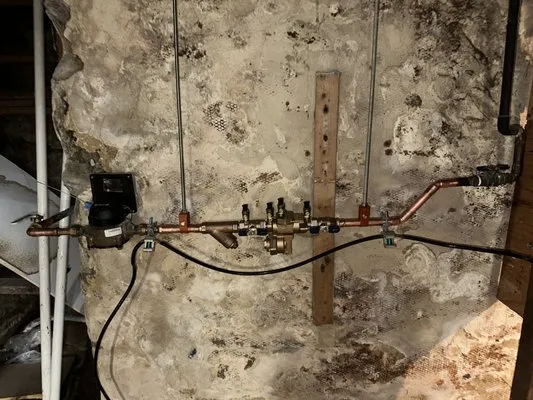
Best Choice Plumbing & Heating
Best Choice Plumbing & Heating has been a trusted, family-owned resource for Philadelphia homeowners since 1996. Founded by Bob Huttenlock, whose expertise spans over three decades, we provide reliabl...
Victor James Plumbing & Heating has been a trusted, family-owned plumbing contractor serving Phoenixville and the surrounding Chester County communities since 1987. Founded by master plumber Victor Ja...
Zoom Drain in Plymouth Meeting, PA, is built on a legacy of family, hard work, and dedication to local service. Founded nearly three decades ago by Jim Criniti and his family, the business grew from a...
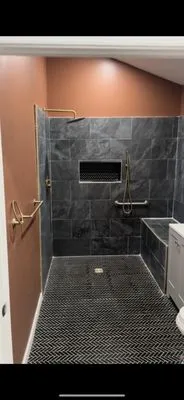
Founded by tradespeople who built strong relationships within the Philadelphia construction community, Bottom Side Plumbing and Other Things is a general contracting company dedicated to helping local...
RM Handyman Services, founded by Rey in March 2021, is a locally-owned Philadelphia business built on practical skill and a commitment to affordability. Born in the Dominican Republic and a Philly res...
For over 12 years, Mr. Tubs Plumbing & Heating has been a trusted, family-owned business serving Cheltenham, PA, and the greater Philadelphia area. Founded and operated by a Master Plumber with a deep...
Estimated Plumbing Costs in Kenilworth, PA
Question Answers
Do I need a permit to replace my water heater?
Yes, North Coventry Township requires permits for water heater replacements, as does the Pennsylvania Department of Labor and Industry. The codes cover proper venting, seismic strapping, and pan installation. As a licensed master plumber, I pull those permits and schedule the inspections as part of the job. I handle that red tape so you don't have to.
As a suburban homeowner, what are my biggest plumbing concerns?
In a suburban setting like this, you're connected to municipal water and sewer, which introduces its own dynamics. Constant municipal pressure, typically between 60-80 PSI, stresses older pipe joints and fixtures. Furthermore, the mature trees common in these neighborhoods often send roots into the sewer lateral seeking moisture, leading to blockages and potential collapses.
How quickly can a plumber get to me if I have a burst pipe?
A dispatch from our shop heads past Kenilworth Park onto US-422, which is the main artery for this area. That route typically puts us at most addresses within 20 to 30 minutes, even during moderate traffic. We keep trucks stocked for common emergencies so we can start work immediately upon arrival.
Why does my water heater keep failing early?
Water sourced from the Schuylkill River is hard, meaning it has a high mineral content. Those minerals precipitate out as scale inside your water heater tank and on heating elements. This scale buildup insulates the heat, forcing the unit to work harder and longer, which drastically shortens its lifespan. You'll also see reduced flow at faucets and showerheads from the same mineral deposits.
What should I do to prepare my plumbing for spring?
Our winter lows around 22 degrees followed by a rapid spring thaw create a prime condition for leaks. The ground shifts as it freezes and thaws, stressing underground pipes and connections. A good pro-tip for this temperate climate is to check all exposed pipes in your basement or crawlspace for new moisture or minor drips in early March, before the thaw peak hits full force.
Could my home's hill cause plumbing problems?
The hilly terrain around Kenilworth Park directly affects your drainage and main sewer line. A steep slope increases the hydraulic pressure and flow speed in your drains, which can scour pipes and loosen joints over time. For homes at the bottom of a hill, it also means you're receiving drainage from uphill neighbors, which can overload your lateral during heavy rain.
My house was built in the 1960s, are my copper pipes about to fail?
Homes in Kenilworth built around 1963 have copper plumbing that is now 63 years old. That age is the threshold where we consistently see systemic issues. In North Coventry Township, the classic failure pattern for this vintage is pinhole leaks appearing in straight pipe runs, especially on hot water lines. The copper has simply worn thin from decades of water flow and internal scale abrasion.
What causes pinhole leaks in copper pipes?
Pinhole leaks in 1960s-era copper are often due to a combination of age and local water chemistry. The pipes have experienced over six decades of water flow, which slowly erodes the interior. In our area, the mineral content in the water can accelerate this, leading to a localized failure where the pipe wall becomes paper-thin and finally perforates.
