Top Emergency Plumbers in Jonestown, PA, 17038 | Compare & Call

There are 125 plumbing companies server in Jonestown PA

Hi, I'm Jim Morrow, owner-operator of James Morrow Electrician. My passion for electrical work started in 9th grade shop class—I wasn't just satisfied to see a light turn on; I needed to understand th...
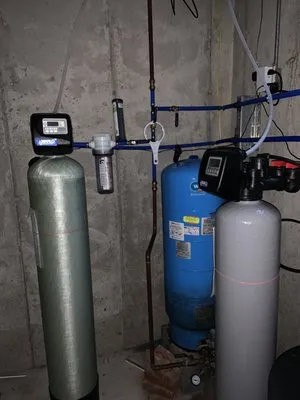
EMJ Plumbing is a trusted, family-owned and operated plumbing service that has been a reliable fixture in Hokendauqua and the greater Lehigh Valley for over 15 years. Our experienced team specializes ...
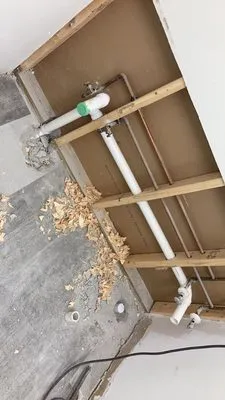
Star Plumbing and Fixture Repair is a locally owned and operated plumbing service in Stiles, PA, founded by Tim, who brings 4 years of hands-on experience from working with various companies on projec...
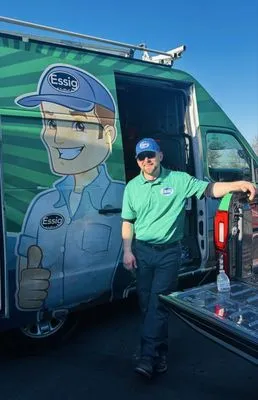
Essig Plumbing & Heating has been serving Berks County since 1938 as a family-owned plumbing and HVAC contractor. With three generations of experience, we provide comprehensive services including plum...

Maitz Home Services
Maitz Home Services is a trusted, licensed home improvement contractor (PA005662) serving Allentown, PA, and the surrounding communities. For over 50 years, we have built our reputation on a simple, p...
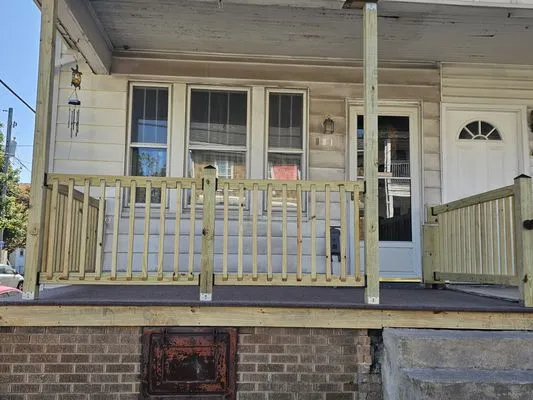
Lynn's Handyman Services is a trusted local provider in Tamaqua, PA, offering comprehensive home repair and maintenance solutions. With expertise spanning appliance installation and repair, plumbing, ...
Clear Flow Water Solutions is your trusted, local plumbing expert serving Oley, PA, and the surrounding communities. We specialize in a comprehensive range of residential and commercial plumbing servi...
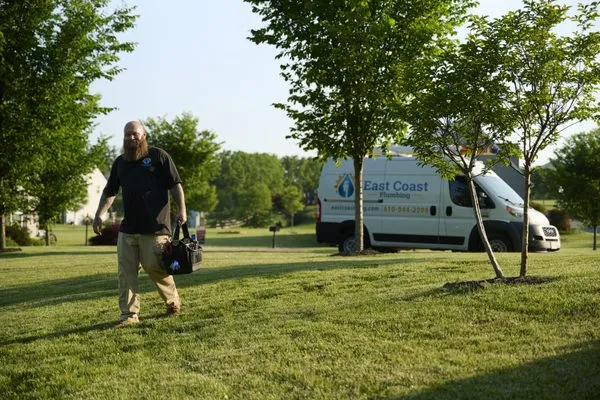
East Coast Plumbing
East Coast Plumbing is your trusted local plumber serving Barto and the surrounding communities in Montgomery, Bucks, Berks, and Lehigh Counties. We provide reliable residential and commercial plumbin...

Two Guys Plumbing Heating & Cooling
Two Guys Plumbing Heating & Cooling is a locally owned and operated business serving Kutztown, PA, and the surrounding areas since 2005. Founded by Pat and Rich, who each brought over 20 years of prio...
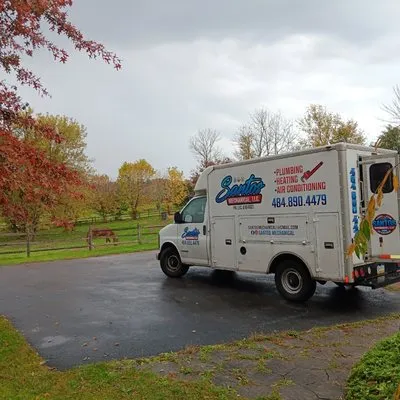
Santos Mechanical is a trusted plumbing, heating, and air conditioning service provider serving Douglassville, PA, and surrounding areas. With over 23 years of experience, we specialize in servicing, ...
Estimated Plumbing Costs in Jonestown, PA
FAQs
My Jonestown home was built in 1977. Should I be worried about the plumbing?
Your copper pipes are now 49 years old. In Jonestown Borough, we're seeing these systems reach a critical point of wear. The original solder joints are failing, and the pipe walls are thinning from decades of water flow. Homeowners often call me about persistent low water pressure or a faint metallic taste, which are early signs the system is fatigued. Proactive inspection can identify weak sections before they become a major leak.
Does the hard water from Swatara Creek damage my plumbing fixtures?
Yes, the mineral content from the creek leads to significant scale buildup. This hard water coating acts as an insulator inside your water heater, forcing it to work harder and fail sooner. You'll also see it crusting on faucet aerators and showerheads, reducing flow. Installing a whole-house water softener is the most effective defense, protecting your appliances and preventing costly repairs from scale-related blockages.
Do I need a permit to replace my water heater or re-pipe my house in Lebanon County?
Yes, most major plumbing work requires permits from the Lebanon County Planning Department. As a master plumber licensed by the Pennsylvania Department of Labor and Industry, I handle that red tape for you. I pull the necessary permits, schedule inspections, and ensure the work meets all current code. This protects your home's value and ensures the installation is safe. You get the final inspection paperwork for your records without the hassle.
Why are my copper pipes from the 1970s suddenly springing pinhole leaks?
Copper pipe from that era has a specific lifespan. After nearly 50 years, pinhole leaks are a common technical failure. They're caused by a combination of pipe-wall erosion from our hard water and microscopic pitting. You'll often find these leaks at joints or in horizontal runs where sediment and scale accelerate the corrosion. Re-piping the affected sections with modern materials is typically the most reliable, long-term fix.
As a rural homeowner with a well, what plumbing issues should I watch for?
Your private well and septic system require specific maintenance. Well pump pressure switches and tanks fail with age, causing erratic water flow. For your septic, the key is avoiding backups by never flushing non-biodegradables and having the tank pumped every 3-5 years. Unlike a municipal system, a failed septic leach field is a major repair. Monitoring your well's water quality for sediment is also crucial, as it can wear out fixtures and indicate a failing well screen.
Could the hilly land in Jonestown be causing my slow drains?
The slope of your property directly impacts drainage. If your main sewer line runs downhill toward Swatara Creek, gravity is your friend. However, lines running across a hillside or uphill can develop low spots where debris collects, causing chronic clogs. The soil movement on these slopes also puts constant, uneven stress on buried pipes, leading to cracks or separated joints over time. A video camera inspection can map the exact pitch and condition of your line.
How quickly can a plumber get to my house in Jonestown during an emergency?
From my shop near Swatara Creek, I take I-81 to reach most parts of the borough. Heading past Swatara Creek on I-81 provides the fastest route, with a typical response window of 45 to 60 minutes. I factor in local traffic and the specific hill your home is on when giving an ETA. Knowing the main arteries lets me plan the most efficient dispatch route for a burst pipe or failed water heater.
What's the most important thing to do for my pipes before a Jonestown winter?
Insulate any pipes in unheated crawl spaces or along exterior walls before temperatures hit that 21-degree low. But the real pro-tip for our temperate climate is to address outdoor hose bibs in the fall. A forgotten garden hose can trap water that freezes and splits the pipe inside your wall. The spring thaw brings a different issue, as ground shifting can stress older main lines. A pre-winter inspection catches these vulnerabilities.
