Top Emergency Plumbers in Johnsonburg, PA, 15845 | Compare & Call

There are 239 plumbing companies server in Johnsonburg PA
Revelation Plumbing serves Pittsburgh homeowners with reliable, same-day plumbing solutions. We understand that plumbing emergencies like burst pipes or sewer backups can't wait, which is why we arriv...
1-Tom-Plumber is a trusted plumbing service in Tarentum, PA, offering comprehensive solutions for both residential and commercial clients. Available 24/7/365, we specialize in everything from routine ...
Metz Plumbing & Sewer Lining LLC is a family-owned plumbing service rooted in Canonsburg, PA, with over 20 years of industry experience. Founded by professionals who previously managed a large local c...
Cheddar's Plumbing is a locally owned and operated residential plumbing service in Pittsburgh, PA, founded by Nick and his wife with a commitment to quality work at fair prices. Since 2016, Nick has b...
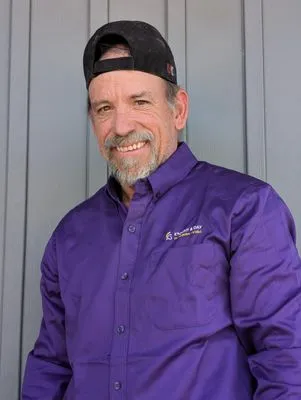
Knight & Day Plumbing
Knight & Day Plumbing is a trusted, full-service plumbing company serving Pittsburgh, PA, and the surrounding communities. We specialize in addressing the unique plumbing challenges of the Steel City,...
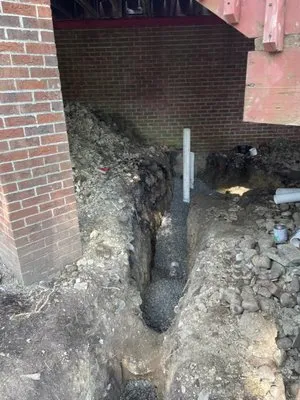
G Horvath Plumbing is a trusted, locally-owned plumbing service serving Pittsburgh and the surrounding communities. As a full-service plumbing contractor, they handle everything from routine repairs t...
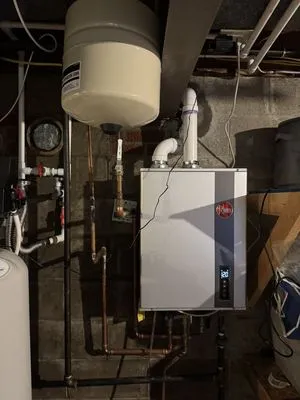
412 Handyman Solutions is a trusted local handyman service in Saxonburg, PA, with over 25 years of construction experience. We specialize in a wide range of home improvement services, including plumbi...
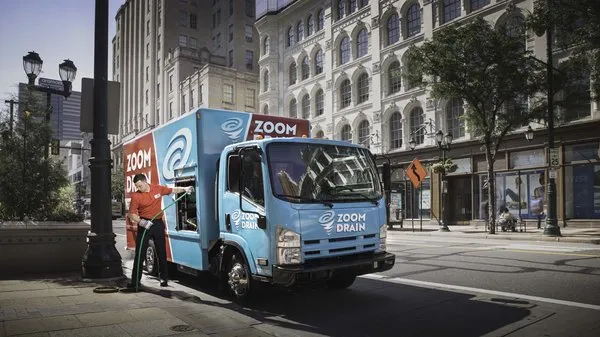
Zoom Drain of Pittsburgh is a locally owned and operated plumbing service founded by Pittsburgh native Mark Puzas. With deep roots in the community and a background in accounting and real estate, Puza...
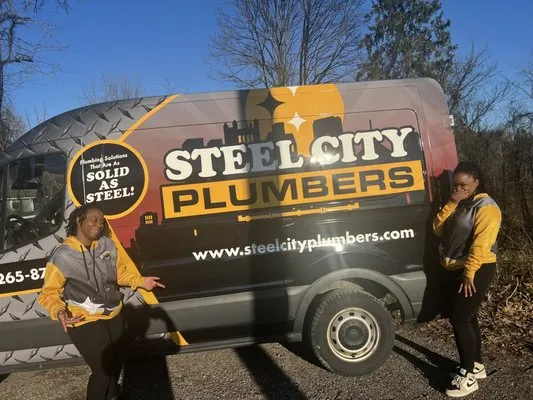
Steel City Plumbers
Steel City Plumbers has been serving Pittsburgh homeowners and businesses with reliable plumbing solutions for over 30 years. Our team of licensed professionals specializes in everything from routine ...
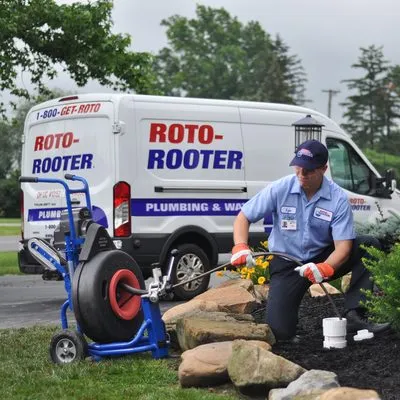
Roto-Rooter Plumbing & Water Cleanup
Roto-Rooter Plumbing & Water Cleanup provides essential plumbing and water damage restoration services for Pittsburgh, PA. Our local team is fully staffed and ready to assist homeowners and businesses...
Estimated Plumbing Costs in Johnsonburg, PA
FAQs
What's the most important thing to do with my plumbing before spring in Johnsonburg?
Before the spring thaw hits its peak, disconnect and drain your outdoor garden hoses. A hose left connected traps water in the exterior bib, which can freeze, burst the pipe inside your wall, and cause major flooding once it thaws. This is a critical pro-tip for our Snow Belt climate, where nighttime lows can still hit 15°F well into the transitional season.
Does our local water from the Clarion River damage water heaters?
Water sourced from the Clarion River tends to be acidic, which is corrosive to metal plumbing components. Inside a water heater, this acidity accelerates the corrosion of the anode rod and tank lining, shortening the appliance's lifespan. You might notice rust-colored water or frequent anode rod replacements. Installing a whole-house neutralizer or using a powered anode can help mitigate this specific issue.
Who handles permits for a plumbing renovation or new bathroom in Elk County?
Permits for plumbing work are managed by the Elk County Planning Department, and all installations must meet the Pennsylvania Department of Labor and Industry's Uniform Construction Code. As a licensed master plumber, I pull the required permits and schedule inspections for every job. My role is to handle that red tape and ensure the work is documented and legal, so you don't have to navigate it yourself.
What causes those small, persistent leaks in my home's old pipes?
Galvanized steel from the late 1940s suffers from internal corrosion that eats through the pipe wall from the inside out. This creates pinhole leaks, often first visible as rust spots on pipe exteriors or moisture in basement joists. Joints are also a common failure point, as the threaded fittings corrode and lose their seal, leading to drips at pipe unions and valve connections.
Why do my Johnsonburg home's water pipes make noise and have low pressure?
Galvanized steel pipes installed around 1947 are now 79 years old. Mineral deposits and corrosion build up inside the pipe walls over decades, which significantly reduces the interior diameter. Homeowners in Downtown Johnsonburg are seeing this manifest as reduced flow at fixtures, sputtering from faucets, and persistent banging noises known as water hammer. The metal itself becomes brittle, making it prone to sudden failure.
How long does it take for a plumber to get to my house in Johnsonburg?
Heading past Johnsonburg Paper Mill on US Route 219 is the primary dispatch route for most calls in the area. Given the rural layout and potential for weather delays, especially in winter, you can expect a standard 45-60 minute response window for non-emergency service. For urgent situations like a major leak, we prioritize these routes to minimize travel time.
As a rural Johnsonburg homeowner, what unique plumbing systems should I maintain?
Properties here typically rely on private wells and septic systems, not municipal lines. That means maintaining your well pump pressure tank and ensuring your septic tank is pumped every 3-5 years is your responsibility. Neglecting the septic system is a common cause of drain field failure and backups into the home, which are complex and expensive to repair.
Could the hilly land around Johnsonburg cause plumbing problems?
The steep, hilly terrain common around areas like the Johnsonburg Paper Mill puts constant, uneven stress on underground main sewer and water lines. This can lead to sagging sections in pipes, called bellies, where waste and debris collect and cause blockages. Soil shifting from freeze-thaw cycles on slopes can also strain connections at the house foundation, leading to leaks.
