Top Emergency Plumbers in Jackson, PA, 17042 | Compare & Call

There are 17 plumbing companies server in Jackson PA
Billy Fix-It-All Handyman provides reliable home repair services for the Hawley community and surrounding counties. With over two decades of experience, we specialize in solving everyday household pro...
Plumbdogs is Scranton's trusted, family-run plumbing and HVAC company. Founded by local expert Candan Altuner, our team combines extensive hands-on experience with a genuine commitment to the communit...
Keystone Nepa Plumbing and Heating is a trusted, full-service provider serving Carbondale and surrounding NEPA communities. We offer comprehensive plumbing, heating, and HVAC solutions, from emergency...
Trinity Handyman Services is a trusted local provider in Montrose, PA, offering comprehensive home maintenance and repair solutions. With expertise spanning appliance installation and repair, plumbing...
NEPA Handyman serves homeowners and businesses in Montrose, PA, providing reliable repair and installation services to keep local properties functioning smoothly. Many Montrose homes face common issue...
Apricity Mechanical
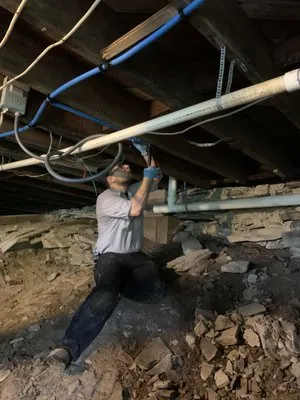
Apricity Mechanical is a trusted local appliance and plumbing service provider based in Chinchilla, PA, offering comprehensive solutions for homeowners. With expertise in appliance repair, installatio...

Primo Sewer Cleaning
Primo Sewer Cleaning is a trusted, locally owned plumbing company serving Dickson City and Northeast Pennsylvania. With over a decade of experience, we specialize in sewer and drain cleaning, hydro-je...
Clancy's Plumbing Heating & Air is Honesdale's trusted, full-service home comfort specialist. We understand the specific challenges local homeowners face, from sump pump failures during heavy rains to...
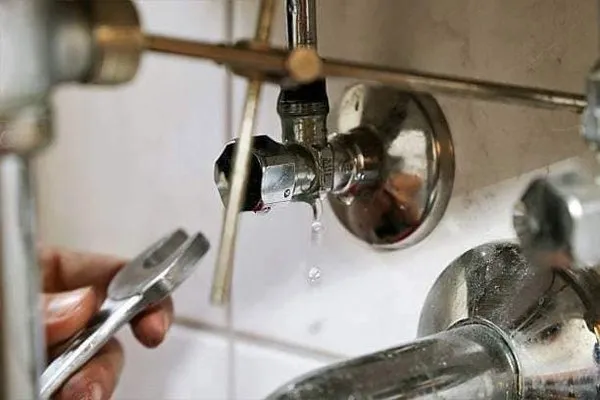
Vanderstad Drain Cleaning and Plumbing Repairs
Vanderstad Drain Cleaning and Plumbing Repairs is a trusted local plumbing and HVAC service provider in Waymart, PA. Founded by an experienced professional who previously worked for Roto Rooter, the b...
Halo Environmental Solutions
Halo Environmental Solutions is your trusted local partner for plumbing and septic services in Waymart, PA, and across Northeast Pennsylvania. Since starting as a part-time operation in 1998, we've bu...
Estimated Plumbing Costs in Jackson, PA
FAQs
Do I need a permit to replace my water heater in Susquehanna County?
Most plumbing replacements, including water heaters, require permits and inspections through the Susquehanna County Planning Department. As a master plumber licensed by the Pennsylvania Department of Labor and Industry, I secure the necessary permits, schedule inspections, and ensure the installation meets all code. Handling that red tape is a standard part of the job for you.
How long does it take for a plumber to get to a home in Jackson?
Our typical dispatch route for Jackson calls has us heading past Salt Springs State Park to access I-81. That main corridor gets us into the area efficiently, but once we exit, navigating the local roads means a total response window of 45 to 60 minutes for most service calls in the township.
What's one thing I should do before spring to avoid a plumbing disaster?
Before the spring thaw hits its peak, disconnect and drain any garden hoses. A hose left connected traps water in the exterior faucet bib. When overnight lows still dip toward 15°F, that trapped water can freeze, expand, and crack the pipe inside your wall, leading to a major leak once it thaws.
Does hard well water damage my plumbing fixtures?
Yes, the mineral-heavy water from private wells in this area accelerates scale buildup. Inside a water heater, this sediment acts as an insulator, forcing the unit to work harder and fail prematurely. On faucet cartridges and valve seats, the abrasive scale causes wear and leads to drips that are often misdiagnosed as simple washer failures.
My water pressure in Jackson is dropping. Is it my old pipes?
Your home likely has original galvanized steel plumbing installed around 1948. That makes the pipes 78 years old this year. At this age, the interior of the pipe corrodes, and the resulting scale buildup drastically reduces the interior diameter. It's common for Jackson Village Center homes to see a slow, steady decline in flow from faucets and showerheads as this mineral accumulation chokes the line.
Could the hilly land around Salt Springs State Park affect my sewer line?
The sloped terrain common here places constant stress on the main sewer line running from your home to the septic tank or street. Over decades, this can cause the pipe to sag or separate at joints. A belly in the line then collects waste and leads to chronic slow drains, while a separated joint allows root intrusion and eventual collapse.
Why do my galvanized pipes keep springing small leaks?
Galvanized steel from 1948 has a finite lifespan. Internal corrosion creates weak spots, leading to pinhole leaks, often at threaded joints where the protective zinc coating was compromised during installation. These joints can also suffer from calcification, which prevents a proper seal and leads to weeping even before a full rupture occurs.
As a rural homeowner with a well and septic, what's my biggest plumbing risk?
The interdependence of your well pump and pressure tank with the septic system's drain field is the critical link. A failing pressure switch or waterlogged tank causes the pump to cycle constantly, risking burnout. Simultaneously, a compromised drain field from overuse or root intrusion can cause wastewater to back up into the home, creating a dual-system emergency.
