Top Emergency Plumbers in Huston Township, PA, 16662 | Compare & Call

There are 25 plumbing companies server in Huston Township PA

Ricket's Construction serves Thompson, OH, with a dual focus on commercial and residential property maintenance and improvement. While we specialize in commercial maintenance—including lawn care, faci...
MK Plumbing is a trusted, licensed plumbing service operating out of Indiana, PA, and serving homeowners and businesses in Penn Run and the surrounding area. We provide a comprehensive range of servic...
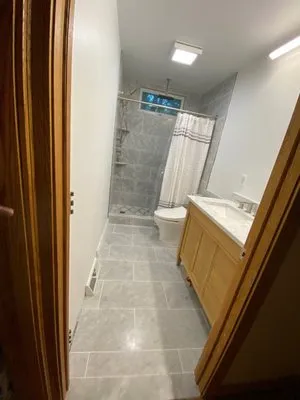
Stuart Electric & Plumbing has been a trusted name serving Du Bois, PA, and the surrounding communities for years. We understand the common plumbing headaches local homeowners face, from disruptive se...
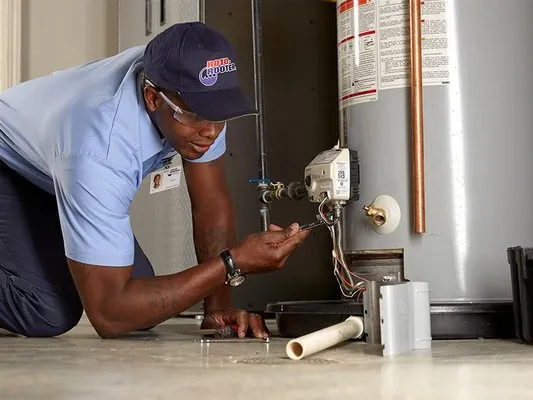
Roto-Rooter in Kane, PA, is your local plumbing partner, fully staffed and ready to help 24 hours a day, seven days a week. As part of North America's largest provider of plumbing and drain services, ...
Jack D Salada Plumbing & Heating has been serving Du Bois, PA, and the surrounding communities for over 50 years. As a fully licensed and bonded provider, we offer comprehensive plumbing, heating, and...
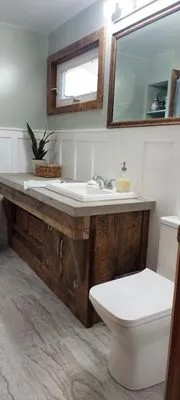
Savannah Plumbing is a family-owned plumbing and heating company serving Emporium and the surrounding PA Wilds region since 2013. With over 20 years of combined experience, we specialize in residentia...
GT HVAC & Plumbing is a trusted, locally owned and operated service provider in Osceola Mills, PA. We specialize in comprehensive plumbing and HVAC solutions designed to meet the unique challenges fac...

Eric Gilbert Plumbing
Eric Gilbert Plumbing has been a trusted name for homeowners and businesses in Glen Campbell, PA, and the surrounding communities. Founded on principles of integrity and skilled workmanship, the compa...

Bloom Electric Heating Plumbing & Air Conditioning is a trusted, full-service HVAC and plumbing company serving Du Bois, PA, and the surrounding communities. As a locally owned and operated business, ...
Benamati Plumbing and Heating
Benamati Plumbing and Heating is a locally-owned and operated company serving Hollidaysburg and the surrounding communities. For years, we've been the trusted choice for comprehensive plumbing and HVA...
Estimated Plumbing Costs in Huston Township, PA
Questions and Answers
Who handles permits and inspections for plumbing work in Clearfield County?
The Clearfield County Code Enforcement Office manages local permits, while the Pennsylvania Department of Labor and Industry oversees statewide plumbing codes. As a licensed master plumber, I handle all required paperwork and coordinate inspections for every job. This ensures work meets both county and state standards without homeowners navigating bureaucratic processes. Proper permitting protects your investment and maintains your home's compliance with current regulations.
My copper pipes are original to my 1971 Penfield home - should I be worried about them now?
Copper pipes installed in 1971 are now 55 years old, which is approaching the typical lifespan for residential copper systems. Homeowners in Penfield are seeing increased frequency of small leaks, particularly at joints and fittings. The copper has experienced decades of water flow and mineral interaction, which gradually thins the pipe walls. Many properties built during that period are now requiring partial or complete repiping to prevent major water damage.
How does our hard well water affect my home's plumbing system?
Hard water from private wells causes scale buildup that significantly reduces water heater efficiency and lifespan. Mineral deposits accumulate inside fixtures, reducing water pressure and eventually damaging valve mechanisms. Water heaters in this area typically require replacement several years earlier than in areas with treated municipal water. Regular maintenance of water softeners and periodic fixture cleaning can mitigate some of these effects.
Are there special considerations for plumbing in rural Huston Township?
Rural properties with private wells and septic systems require different maintenance than municipal-connected homes. Well pumps and pressure tanks need regular inspection, while septic systems demand careful water usage management to prevent overload. The absence of municipal water pressure means maintaining proper pump function is critical for consistent water flow. These systems work together, so issues with one component often affect the entire water and waste disposal chain.
Does the hilly terrain around Parker Dam affect my home's drainage?
The sloping landscape common around Parker Dam State Park creates significant stress on main sewer lines and drainage systems. Downhill properties often experience increased pressure on pipe joints, while uphill homes may deal with sediment accumulation in low spots. Soil movement on hillsides can gradually shift pipe alignment, leading to misaligned connections and potential blockages. Proper grading around foundation drains helps manage these terrain-related challenges.
What kind of plumbing problems should I expect with 1970s copper pipes?
Copper pipes from the early 1970s commonly develop pinhole leaks due to decades of water flow and mineral interaction. The solder joints between pipe sections can experience calcification, which weakens connections and causes slow drips. Many homes from this era show thinning pipe walls near elbows and tees where water turbulence accelerates wear. These issues typically manifest as multiple small leaks rather than a single catastrophic failure.
What should I do to prepare my plumbing for spring in this area?
Before spring thaw temperatures rise above freezing, inspect all exposed pipes for insulation gaps or damage. Disconnect garden hoses and ensure outdoor faucets are properly winterized to prevent backflow into interior pipes. Check crawl spaces and basements for any signs of winter moisture that could indicate slow leaks. This proactive approach prevents most spring-related plumbing emergencies common in our temperate climate with 15-degree winter lows.
How quickly can a plumber reach my home in Huston Township for an emergency?
Heading past Parker Dam State Park on I-80 provides the most direct route to most Huston Township addresses. From that starting point, it typically takes 45-60 minutes to reach residential properties in the area, depending on specific location and road conditions. This dispatch route allows for consistent response times even during peak traffic periods. We factor in this travel time when scheduling emergency calls to provide accurate arrival estimates.
