Top Emergency Plumbers in Horton Township, PA, 15823 | Compare & Call

There are 128 plumbing companies server in Horton Township PA
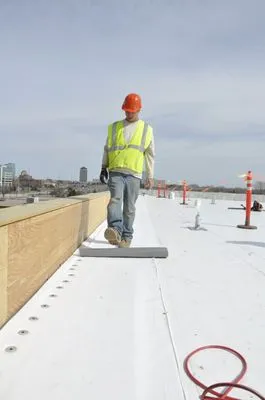
Ricket's Construction serves Thompson, OH, with a dual focus on commercial and residential property maintenance and improvement. While we specialize in commercial maintenance—including lawn care, faci...
1-Tom-Plumber is a trusted plumbing service in Tarentum, PA, offering comprehensive solutions for both residential and commercial clients. Available 24/7/365, we specialize in everything from routine ...
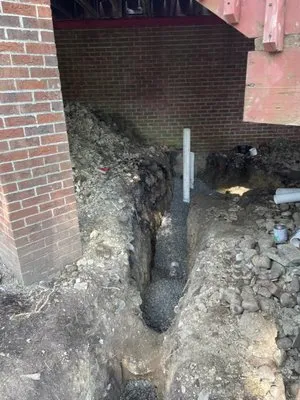
G Horvath Plumbing is a trusted, locally-owned plumbing service serving Pittsburgh and the surrounding communities. As a full-service plumbing contractor, they handle everything from routine repairs t...

RJS Plumbing is a locally-owned and operated Pittsburgh plumbing service built on a foundation of integrity and fairness. After nearly two decades working for other companies in the area, owner Ryan r...
Perfect Pipes Plumbing is a trusted local plumbing service in Pittsburgh, PA, dedicated to helping homeowners tackle common plumbing problems like garbage disposal jams and broken shutoff valves. With...

Steve the Plumber is a Pittsburgh-based plumbing and electrical service provider with eight years of hands-on experience in the trade. Working under a master plumber since 2017, Steve now operates ind...
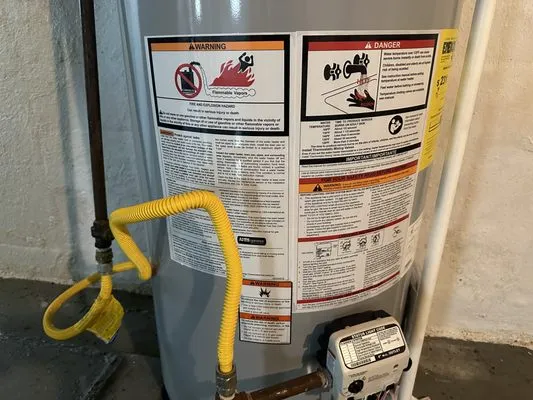
Day to Day Plumbing has been Pittsburgh's trusted plumbing partner since 2019, providing reliable and professional solutions for homeowners and businesses throughout the area. We specialize in compreh...
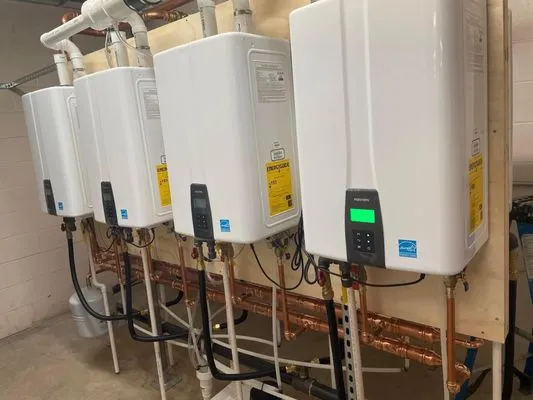
Bacon's Drain Cleaning and Plumbing is a family-operated McKeesport plumbing service built on a straightforward principle: getting professional help shouldn't cost you an arm and a leg. We took our ye...
Founded in 2018 by a Registered Master Plumber with over 17 years of experience, Affordable Drain Cleaning and Plumbing Repairs is a local, owner-operated company serving McKeesport and the greater Pi...
MK Plumbing is a trusted, licensed plumbing service operating out of Indiana, PA, and serving homeowners and businesses in Penn Run and the surrounding area. We provide a comprehensive range of servic...
Estimated Plumbing Costs in Horton Township, PA
FAQs
Why is my water pressure so low in my Horton Township home?
Homes built around 1961, common in Central Horton, have galvanized steel pipes that are now 65 years old. Mineral deposits and rust buildup inside the pipe walls have been accumulating for decades, severely restricting water flow. This scale, often called tuberculation, acts like plaque in an artery, shrinking the internal diameter until pressure drops to a trickle at faucets and showerheads.
Do I need a permit to replace my own water heater?
Yes, Horton Township Building Code Department requires permits for water heater replacements to ensure proper venting, pressure relief, and seismic strapping are installed. As a master plumber licensed with the Pennsylvania Department of Labor and Industry, I handle pulling the permit, scheduling the inspection, and managing all the red tape so you don't have to. This guarantees the work is done to code and documented for your home's records.
As a rural homeowner, what plumbing systems need the most attention?
Your private well and septic system require consistent maintenance, unlike a municipal connection. Wells need annual checks for pump performance and water quality, especially given our corrosive water. Septic systems should be inspected and pumped every 3-5 years; the hilly soil conditions here can complicate drainage field performance. Neglecting these systems leads to much more expensive emergencies.
How fast can a plumber get to my house near Bendigo State Park?
My dispatch route typically involves heading past Bendigo State Park on US-219, which is the main artery for the township. Depending on traffic and your exact location off the highway, I can generally be on-site in 45 to 60 minutes from receiving your call. I factor in the winding, hilly roads common to our area when giving you an estimated arrival time.
My yard is always soggy near the house. Is it just the hill?
The hilly terrain around areas like Bendigo State Park puts constant, uneven stress on underground drain lines and sewer mains. Over decades, this can cause the pipe to settle, sag, or even separate at the joints. That slope also directs significant surface runoff toward your foundation, overwhelming your property's drainage system and creating persistent soggy spots that can lead to basement water intrusion.
What's one thing I should do every spring to avoid a plumbing disaster?
Before the spring thaw hits its peak, shut off and drain any exterior hose bibs and irrigation lines. Water trapped in those lines can freeze during our 15-degree lows and then burst as it thaws, causing floods inside your walls. It's a simple five-minute task that prevents one of the most common and costly seasonal repairs we see in this temperate climate.
I have a small leak in my basement ceiling. What caused it?
That sounds like a classic pinhole leak from aged galvanized steel. After 65 years, the interior of the pipe corrodes unevenly, creating paper-thin weak spots that eventually fail. These leaks often start at threaded joints or where pipe hangers cause stress. The joint calcification from decades of mineral buildup also makes the pipe brittle and prone to cracking under normal water pressure.
My water heater keeps failing early. Could our well water be the problem?
Yes, water sourced from Elk Creek and our local groundwater tends to be acidic and corrosive. This water aggressively attacks the anode rod inside your water heater, consuming it faster than normal. Once the rod is gone, the corrosive elements begin eating at the steel tank liner, leading to premature failure. Installing a powered anode rod or a whole-house neutralizer can significantly extend the life of your new unit.
