Top Emergency Plumbers in Gregg, PA, 17810 | Compare & Call

There are 142 plumbing companies server in Gregg PA

1776 Plumbing & Drains
1776 Plumbing & Drains is a locally owned and operated plumbing company serving Shermans Dale and all of Central Pennsylvania. Our team brings over 50 years of combined hands-on experience to every jo...

Drip Drop Plumbing & Drains is a family-owned and operated plumbing company serving Annville and the central Pennsylvania area. With years of experience in the trade, we bring specialized knowledge, s...
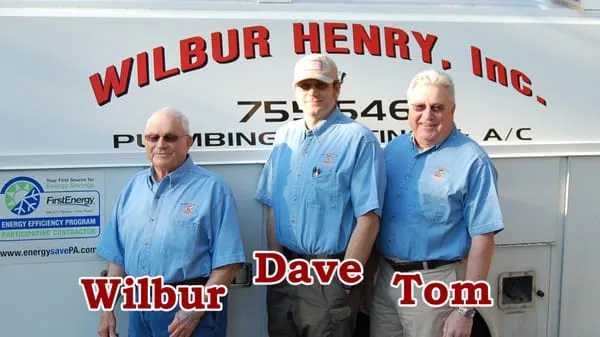
Wilbur Henry Plumbing Heating and A/C
Wilbur Henry Plumbing, Heating, & A/C has been a trusted name for York, PA homeowners since 1960. As a second-generation family business now owned by Tom, we build on decades of local experience to pr...
24/7 Drain Cleaning & Plumbing provides reliable emergency plumbing and drain services to New Cumberland, PA, and surrounding Central Pennsylvania communities. We specialize in 24/7 drain cleaning, re...
Georges Plumbing Service is a trusted local plumbing contractor in Liverpool, PA, with over 20 years of hands-on experience. After completing a four-year trade school program, owner George worked for ...
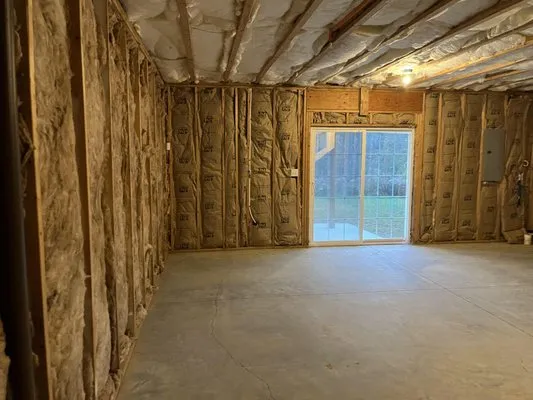
Gotta Guy Contracting LLC is your Camp Hill neighbor for reliable home solutions. Founded by local resident Robert McAllister, the company is built on a 'Keeping it Local' philosophy, employing a loca...
Tuckey Mechanical Services
Tuckey Mechanical Services has been serving Central Pennsylvania since 1968, originally founded as Frank Black Mechanical Services. After being purchased by Denver Tuckey in 1981 and incorporated by K...
DT Plumbing is your trusted local plumbing expert serving Lewisburg, PA, and surrounding areas. We specialize in comprehensive plumbing services including bathtub, shower, sink, toilet, and water heat...

BK Plumbing & Repair is a family-owned, certified master plumbing service proudly serving the Mifflinburg community. We are fully insured and bring years of dedicated property maintenance experience t...
M&T Mechanical Services
M&T Mechanical Services is your local Mount Union expert for plumbing and electrical repairs and installations. Serving our community, we specialize in addressing common regional problems like frozen ...
Estimated Plumbing Costs in Gregg, PA
FAQs
Could the hilly land around my house be causing drainage or pipe issues?
The slope of the land here absolutely stresses plumbing. For your main sewer line, the hill creates excessive gravity flow, which can scour pipe joints and lead to separation over time. For drainage, water naturally follows the slope toward the foundation during heavy rains or snowmelt. This often requires installing specialized drainage systems like French drains to divert water away from the home and prevent basement seepage.
Are there different plumbing concerns for a rural home with a well and septic system?
Rural systems operate independently. A failing pressure tank or well pump means you have no water at all, unlike a municipal supply issue. On the septic side, what goes down your drain directly impacts the tank and leach field; garbage disposals and certain chemicals can disrupt the bacterial balance and cause backups. You're responsible for the entire water cycle from the well to the septic field, so maintenance and mindful usage are key.
Do I need a permit to replace my water heater, and who handles that?
Yes, most plumbing work in Gregg Township requires a permit from the Gregg Township Building Code Office. As a master plumber licensed by the Pennsylvania Department of Labor and Industry, I pull all necessary permits for the job. I handle the inspections and red tape with the township so you don't have to, ensuring the work is documented and up to the current state code for your safety and home value.
Our house was built in 1974, and we're getting a lot of small leaks. Is this normal?
Houses built around 1974 in Gregg now have copper pipes that are over 50 years old. At this age, the interior walls of the pipe have been under constant pressure from our hard water for decades. What you're likely seeing are pinhole leaks, which start as small green or white mineral stains on pipes or ceilings before they let go. This is a predictable failure point for the era of copper installed here, and it often means a full repipe is the most reliable long-term fix.
What's the most important thing to do before spring thaw to avoid plumbing problems?
The most critical pre-thaw task is to disconnect and drain any exterior garden hoses. A hose left connected traps water in the bib, which can freeze and crack the pipe inside your wall. When the thaw hits and you turn the water back on, that crack will flood your basement or crawl space. It's a simple, five-minute job that prevents one of the most common and costly springtime calls I get in this area.
How long does it take for a plumber to get to my house in Gregg?
My dispatch route typically starts from Penns Creek. Heading north on PA-45, it winds through the township's back roads to reach most homes. Under normal traffic and weather conditions, that drive usually takes between 45 and 60 minutes. I factor in the terrain and any seasonal road conditions when giving an estimated arrival time.
Does our hard well water damage our plumbing fixtures?
Yes, the scale buildup from hard water acts like plaque in your pipes. It restricts flow at fixtures and, more critically, coats the heating elements in your water heater. This forces the heater to work harder, shortening its lifespan and increasing your energy bills. Installing and maintaining a proper whole-house water softener is the most effective defense to protect your appliances and improve efficiency.
Why do my copper pipes keep springing pinhole leaks?
Copper piping from the 1970s is susceptible to a specific type of corrosion. Over 50 years, the hard, mineral-rich water from private wells gradually wears away the interior pipe wall. This creates thin spots that eventually fail under normal water pressure, resulting in those small, persistent pinhole leaks. The problem is often systemic, meaning patching one leak may only move the failure point to the next weakest spot in the line.
