Top Emergency Plumbers in Greenwich, PA, 19530 | Compare & Call

There are 236 plumbing companies server in Greenwich PA
Zoom Drain in Plymouth Meeting, PA, is built on a legacy of family, hard work, and dedication to local service. Founded nearly three decades ago by Jim Criniti and his family, the business grew from a...
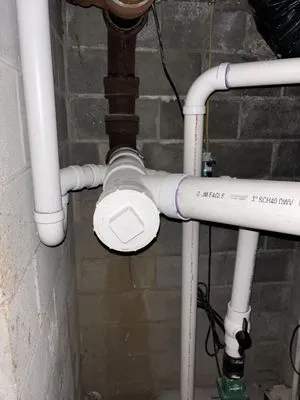
Clear Flow Drain Cleaning & Plumbing is a trusted local plumbing service based in Philadelphia, PA, dedicated to keeping homes and businesses running smoothly. We specialize in a comprehensive range o...
Burnside Plumbing and Heating
Burnside Plumbing and Heating is a true family operation, built on generations of plumbing expertise right here in Berwyn. Founded by Greg, a master plumber since 1984 who learned the trade from his f...

Hi, I'm Jim Morrow, owner-operator of James Morrow Electrician. My passion for electrical work started in 9th grade shop class—I wasn't just satisfied to see a light turn on; I needed to understand th...

Benjamin Franklin Plumbing
Benjamin Franklin Plumbing in Bethlehem, PA, provides reliable plumbing services for local homeowners. When plumbing emergencies strike, our team is available 24/7 to address urgent issues like burst ...
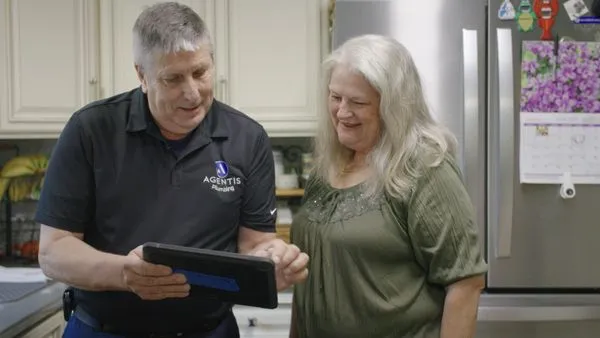
Agentis Plumbing
Agentis Plumbing is a third-generation, family-owned plumbing company that has been serving the Lehigh Valley, including Bethlehem, since 1954. We are your local Peace of Mind Plumber, committed to bu...
Hello, Bethlehem. I'm Vinicius, your neighbor and the owner of Vini Handyman. As a trusted local tradesperson, I bring years of hands-on experience and a commitment to straightforward, reliable servic...

Moser Plumbing Services
Moser Plumbing Services is a family-owned and operated plumbing business based in Allentown, PA, founded in 2020 by Chad and Dominique Moser. Chad is a Licensed Master Plumber in Pennsylvania with ove...
JJM Plumbing is a trusted, full-service plumbing company serving homeowners and businesses in Germansville, PA, and the surrounding Lehigh Valley. We specialize in addressing the common local plumbing...
Zoom Drain in Fogelsville is built on a deep family legacy in plumbing, started by our grandfather in 1948. Twenty years ago, we launched Zoom with our dad and brother from a spare bedroom, riding tog...
Estimated Plumbing Costs in Greenwich, PA
Frequently Asked Questions
Do I need a permit to replace the plumbing in my Greenwich Township home?
Most substantial plumbing work requires a permit from the Greenwich Township Zoning and Building Department. As a Master Plumber licensed by the Pennsylvania Department of Labor and Industry, I handle pulling those permits and scheduling the required inspections. My credentials mean the work is documented to code, which is essential for your home's value and safety. You shouldn't have to navigate that red tape yourself.
How long does it take to get a plumber out to Greenwich from Kempton?
Our standard dispatch from the shop heads past Hawk Mountain Sanctuary to catch I-78 east. That route gets us into the heart of Greenwich Township within 45 to 60 minutes under normal traffic. We factor in local road conditions once we exit the interstate. Knowing the main arteries lets us provide a reliable window, so you're not waiting all day.
My copper pipes were installed around 1974. What kind of problems should I expect now?
Your copper plumbing is now 52 years old. At this age, the pipes have experienced thousands of thermal cycles and decades of water chemistry. Homeowners in Kempton are frequently seeing pinhole leaks appearing in walls and ceilings, especially on hot water lines. The copper's internal wall thickness has been gradually reduced by decades of water flow and minor corrosion, making these failures predictable. It's not a matter of if, but when, a section will need replacement.
Could the hilly land around Hawk Mountain be causing my drainage problems?
Absolutely. The slope and soil composition here put constant, uneven stress on underground main lines and sewer laterals. Over decades, this can cause pipes to settle, separate, or develop cracks at joints. For drainage, water naturally wants to follow the slope away from your foundation, but if the ground is saturated or your gutters are overwhelmed, it will find the path of least resistance, often into a basement. Proper grading and downspout extensions are critical.
Are septic and well issues handled differently in rural Greenwich than in a town?
They are entirely your responsibility as a homeowner, unlike with municipal systems. A failed septic leach field or a well pump issue requires specialized knowledge beyond standard plumbing. We coordinate with licensed well drillers and septic installers when a job crosses over. It's crucial to know the location of your septic tank and well head; we can't dig blindly, and hitting a well line with equipment is a serious contamination risk.
What's one thing I should do every spring to avoid a plumbing disaster?
Before the spring thaw fully hits, shut off and drain any exterior hose bibs that feed from inside the house. While our 20-degree lows are less severe than further north, a quick freeze during an April cold snap can burst these lines if a hose is left connected. Draining them is a simple five-minute task that prevents water from being trapped and expanding inside the pipe wall.
Does hard water from a private well ruin water heaters faster?
Yes, significantly. Hard water from your well carries minerals that precipitate as scale inside the tank. This scale acts as an insulator on the heating elements, forcing them to work harder and burn out prematurely. It also builds up at the bottom of the tank, reducing capacity and creating hot spots that can warp the steel. An annual flush can help, but without a whole-house softener, expect a shorter lifespan for any appliance that heats water.
Why do my copper pipes from the 70s keep springing pinhole leaks?
Copper installed in 1974 often lacks dielectric unions where it connects to dissimilar metals like steel water heaters. This creates galvanic corrosion, a primary cause of pinhole failure. Additionally, the soldered joints from that era can become brittle and calcified over five decades. The problem isn't the quality of the original copper, but the cumulative effect of water chemistry and installation methods common at the time.
