Top Emergency Plumbers in Green Tree, PA, 15106 | Compare & Call

There are 235 plumbing companies server in Green Tree PA
Zach Of All Trades is a trusted local handyman and repair service based in Rogers, OH, offering comprehensive solutions for appliance installation, electrical work, plumbing, and general home maintena...
Affordable Budget Plumbing & Drain
Affordable Budget Plumbing & Drain is a trusted local plumbing service in Mingo Junction, OH, dedicated to providing reliable and cost-effective solutions for residential plumbing needs. We specialize...

All Service Home Maintenance in Dillonvale, OH, is your trusted local partner for residential and commercial property upkeep. We provide a comprehensive range of solutions, from electrical panel and c...

Hi, I'm Alex, known around Salem as 'Big Al.' For the past 15 years, I've been dedicated to providing reliable plumbing services to my neighbors, handling everything from a simple faucet repair to a f...
Revelation Plumbing serves Pittsburgh homeowners with reliable, same-day plumbing solutions. We understand that plumbing emergencies like burst pipes or sewer backups can't wait, which is why we arriv...
1-Tom-Plumber is a trusted plumbing service in Tarentum, PA, offering comprehensive solutions for both residential and commercial clients. Available 24/7/365, we specialize in everything from routine ...
Metz Plumbing & Sewer Lining LLC is a family-owned plumbing service rooted in Canonsburg, PA, with over 20 years of industry experience. Founded by professionals who previously managed a large local c...
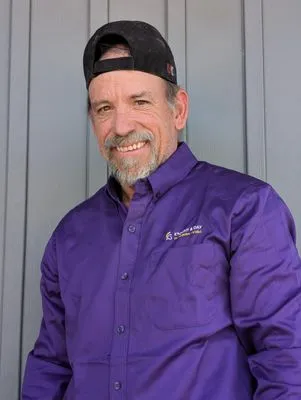
Knight & Day Plumbing
Knight & Day Plumbing is a trusted, full-service plumbing company serving Pittsburgh, PA, and the surrounding communities. We specialize in addressing the unique plumbing challenges of the Steel City,...
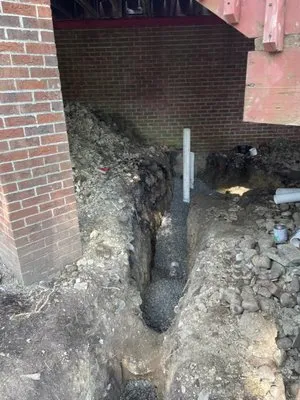
G Horvath Plumbing is a trusted, locally-owned plumbing service serving Pittsburgh and the surrounding communities. As a full-service plumbing contractor, they handle everything from routine repairs t...
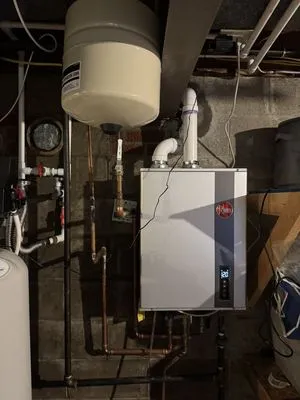
412 Handyman Solutions is a trusted local handyman service in Saxonburg, PA, with over 25 years of construction experience. We specialize in a wide range of home improvement services, including plumbi...
Estimated Plumbing Costs in Green Tree, PA
Q&A
How fast can a plumber get to my house in Green Tree during an emergency?
Heading past Green Tree Park onto I-376 gives us direct access to most neighborhoods. A local shop can typically have a truck rolling within 20-30 minutes from dispatch. That route avoids downtown congestion, so once we're on the interstate, we're at your door quickly to assess a leak or a burst pipe before it causes major damage.
My suburban home has a main line clog. Is it my problem or the town's?
In Green Tree's suburban setting, you're responsible for the sewer lateral from your house all the way to the connection with the municipal main in the street. Tree roots are a common invader in these older laterals, seeking out moisture and causing blockages. Municipal pressure is generally consistent, so a pressure problem inside your home usually points to an issue on your side of the meter.
My Green Tree home was built in the 1960s. Should I be worried about my plumbing?
Homes built around 1960 have galvanized steel pipes that are now 65-70 years old. In Green Tree Borough, we're seeing these pipes hit their functional limit. The steel interior corrodes and flakes off, reducing water pressure at your faucets and causing a rusty tinge to the water. It's not an immediate failure for every home, but it's a predictable lifespan issue that requires a proactive plan.
What's the most important plumbing maintenance for a Green Tree winter?
The low around 22°F means pipes in uninsulated crawl spaces or against exterior walls can freeze. The bigger risk is the spring thaw, when frozen ground shifts and can stress main sewer lines. A pro-tip is to locate and tag your main water shut-off valve now. If a pipe bursts, shutting the water off immediately is the single most effective way to limit damage.
What causes those small, sudden leaks in the pipes of older Pittsburgh-area homes?
Galvanized steel from the 1960s suffers from internal corrosion and scale buildup. This creates weak spots where pinhole leaks develop, often at threaded joints or along a straight run of pipe. You might first notice a small damp spot on a basement ceiling or a drop in pressure. These leaks are a sign the pipe wall is compromised and will likely continue to fail at other points.
Could the hills in my neighborhood be causing plumbing problems?
The hilly terrain around Green Tree Park affects drainage and puts physical stress on buried sewer lines. A lateral line running down a slope can have sections where waste flows too fast, leaving solids behind to cause clogs. Conversely, a line going uphill relies on proper pitch; settling soil over decades can create a belly in the pipe that collects debris and leads to backups.
Does Ohio River water affect my home's plumbing and water heater?
The mineral content from the Ohio River results in hard water. Over time, that hardness forms scale inside pipes and appliances. In a water heater, scale acts like insulation on the heating elements, forcing the unit to work harder and shortening its life. It also builds up inside faucet cartridges and shower valves, leading to stiff handles and reduced flow.
Do I need a permit to replace the plumbing in my Green Tree house?
Yes, most substantive plumbing work requires a permit from the Green Tree Borough Building Department. The process ensures the work meets current Pennsylvania Department of Labor and Industry codes for safety and performance. As a licensed master plumber, handling that red tape is part of the job—we pull the permits, schedule inspections, and make sure the paperwork is closed so you don't have to.
