Top Emergency Plumbers in Great Bend Township, PA, 18821 | Compare & Call

Great Bend Township Emergency Plumbers
Phone : (888) 860-0649
There are 72 plumbing companies server in Great Bend Township PA
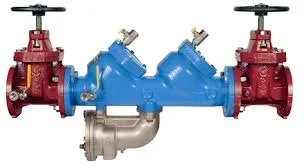
WaterBoyz Backflow Testing and Repairs LLC is a trusted local plumbing service in Allentown, PA, specializing in backflow assembly testing, maintenance, and repairs. Our expert technicians ensure your...
Billy Fix-It-All Handyman provides reliable home repair services for the Hawley community and surrounding counties. With over two decades of experience, we specialize in solving everyday household pro...
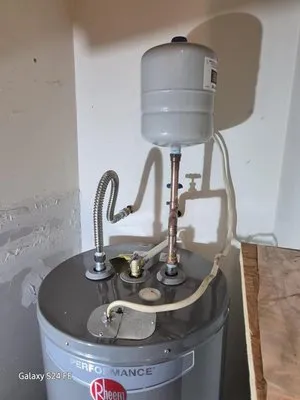
Plumbdogs is Scranton's trusted, family-run plumbing and HVAC company. Founded by local expert Candan Altuner, our team combines extensive hands-on experience with a genuine commitment to the communit...
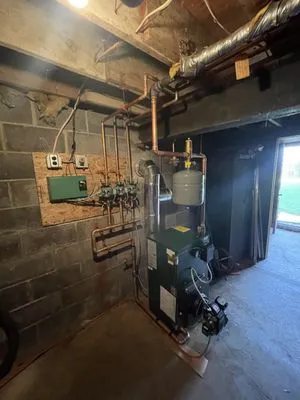
Keystone Nepa Plumbing and Heating is a trusted, full-service provider serving Carbondale and surrounding NEPA communities. We offer comprehensive plumbing, heating, and HVAC solutions, from emergency...
C.S. Ashley Plumbing Company is a local, owner-operated plumbing and HVAC service serving New Milford, PA, and the greater Binghamton area. As a Licensed Master Plumber with over two decades of hands-...
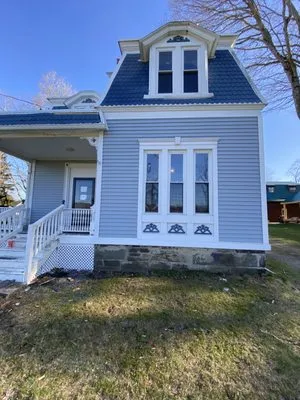
Trinity Handyman Services is a trusted local provider in Montrose, PA, offering comprehensive home maintenance and repair solutions. With expertise spanning appliance installation and repair, plumbing...
NEPA Handyman serves homeowners and businesses in Montrose, PA, providing reliable repair and installation services to keep local properties functioning smoothly. Many Montrose homes face common issue...
Apricity Mechanical
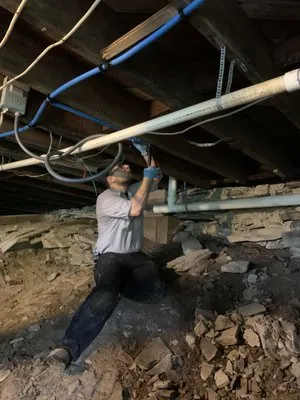
Apricity Mechanical is a trusted local appliance and plumbing service provider based in Chinchilla, PA, offering comprehensive solutions for homeowners. With expertise in appliance repair, installatio...

Primo Sewer Cleaning
Primo Sewer Cleaning is a trusted, locally owned plumbing company serving Dickson City and Northeast Pennsylvania. With over a decade of experience, we specialize in sewer and drain cleaning, hydro-je...

Clancy's Plumbing Heating & Air is Honesdale's trusted, full-service home comfort specialist. We understand the specific challenges local homeowners face, from sump pump failures during heavy rains to...
Estimated Plumbing Costs in Great Bend Township, PA
Question Answers
Why do my copper pipes keep springing pinhole leaks?
Copper installed around 1974 often suffers from two issues. First, aggressive local water can cause a type of corrosion called pitting, which creates those small leaks. Second, the solder used at joints back then had a higher lead content, which can corrode differently than modern solder. This combination, after five decades of service, leads to weak points. A whole-house repipe isn't always necessary, but targeted section replacements with updated materials are common.
Does our hard river water damage plumbing fixtures?
Yes, the minerals from the Susquehanna River settle as scale inside pipes and appliances. Water heaters are hit hardest; a half-inch of scale on the heating elements can double your energy bills and shorten the tank's life by years. You'll also notice reduced flow from showerheads and faucet aerators clogging every few months. Installing a water softener is the standard fix here, and it protects your investment in all water-using appliances.
How quickly can a plumber get to me out here?
My standard dispatch from the Susquehanna River area follows I-81 north to your exit. Heading past the river on I-81, I can typically reach most homes in Great Bend Township within 45 to 60 minutes, barring winter weather delays. I keep a stocked truck for common emergencies, so that drive time includes the tools and parts needed to start work immediately upon arrival.
Are there special considerations for plumbing in a rural township like this?
Working on a well and septic system is standard here. Well pressure tanks and their switches fail regularly, and a bad pressure switch can burn out a well pump. On the septic side, the lateral lines in the drain field can become compromised over time, especially in our clay-heavy soil. You don't have a city water department to call for main line breaks, so having a reliable local plumber who understands both well and septic systems is part of home maintenance.
What's involved with getting a permit for a water heater or bathroom remodel?
Great Bend Township has specific zoning and permit requirements, and all work must meet Pennsylvania Department of Labor and Industry codes. I handle that red tape for you. For a water heater replacement, it involves filing the permit, ensuring the new installation meets current venting and seismic strap codes, and scheduling the required inspection. For you, it's seamless; I pull the permits as the licensed contractor and coordinate with the township inspector to close the job out properly.
Could our hilly property be causing drainage or pipe problems?
The slope of the land here absolutely affects your main sewer line. A lateral line running downhill from your house to the road sewer can develop low spots where waste and grease collect, leading to frequent clogs. For homes with a long run to the road, the pitch might be too steep, causing water to outrun solids. Conversely, a line running uphill to a septic tank requires a pump, and the constant stress on those fittings can lead to failures. I often use a camera to diagnose these specific terrain-related issues.
Our copper pipes are from the 70s. What should we expect now?
Your copper plumbing is about 52 years old. In Great Bend Village, we see a predictable pattern around this age. The solder at the joints begins to degrade, and pinhole leaks can develop, especially in hot water lines. It's also common for the interior pipe walls to thin from decades of water flow and mineral abrasion. This doesn't mean a total failure is imminent, but you should listen for water running when no fixtures are on and check for small green stains on pipe fittings.
What's the most important cold-weather plumbing tip for this area?
Insulate your exterior hose bibs and the water lines in unheated crawl spaces before the first hard freeze. Our lows near 14°F, combined with the wind off the river, can freeze an exposed pipe solid overnight. The real danger comes during the spring thaw when previously frozen sections may have developed a hairline crack you can't see. When the water flows fully again, that's when a major leak inside a wall can start. A bit of foam insulation is cheap prevention.
