Top Emergency Plumbers in Glen Lyon, PA, 18617 | Compare & Call

There are 60 plumbing companies server in Glen Lyon PA

Elek Plumbing has been serving Allentown and the Lehigh Valley since 1913, when Hungarian immigrant William Elek Senior founded the business in Bethlehem. Now in its third generation of family ownersh...
My journey in hands-on repair started young, right in the basement of my childhood home. At age eleven, I found some wire and an outlet on my dad's workbench and decided to install it myself. I manage...
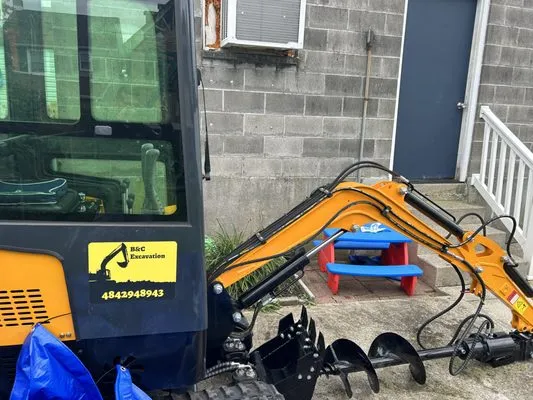
B&C Excavation is a family-owned and operated business proudly serving Allentown and the Lehigh Valley. Our foundation is built on over 20 years of combined experience, including 8 years of service wi...
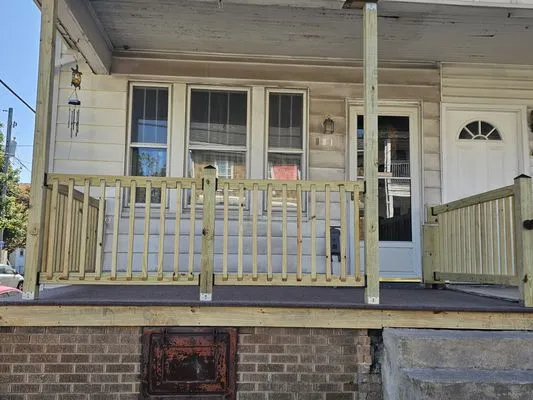
Lynn's Handyman Services is a trusted local provider in Tamaqua, PA, offering comprehensive home repair and maintenance solutions. With expertise spanning appliance installation and repair, plumbing, ...
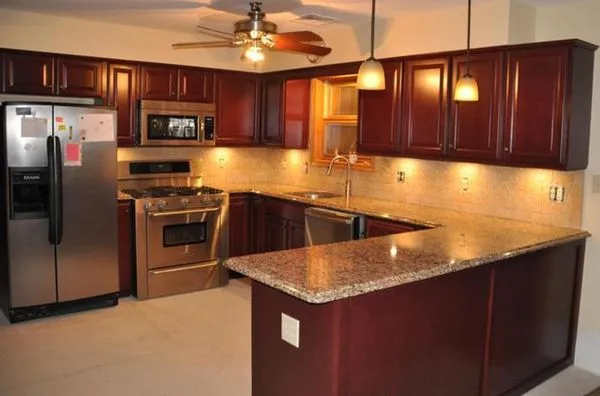
Agosto Plumbing & Remodeling
For over 20 years, Agosto Plumbing & Remodeling has been the trusted local choice for Lehighton residents and surrounding counties. We specialize in comprehensive residential plumbing and remodeling, ...
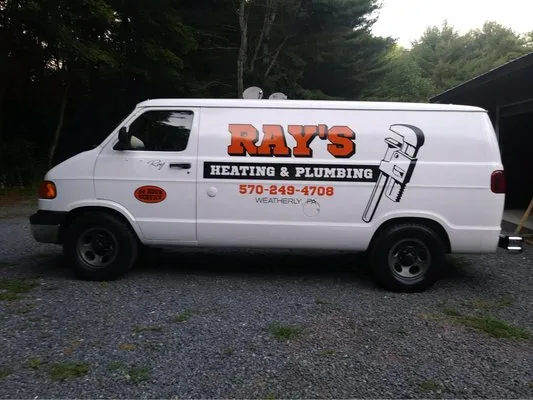
Ray's Heating & Plumbing
Ray's Heating & Plumbing has been serving Weatherly, PA, since 1995, with Ray Pillonato bringing over 40 years of hands-on experience to every job. Specializing in both plumbing and HVAC services, the...
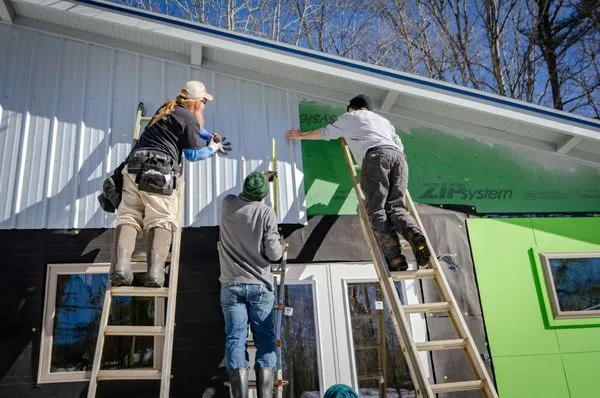
Knights For Christ is a faith-based remodeling and construction company serving the Freeland, PA community. We provide a comprehensive range of home improvement services, from kitchen and bathroom ren...
Hydro-Therapeutics Water Conditioning
Hydro-Therapeutics Water Conditioning has been a trusted name for water quality in Schuylkill Haven and across Northeastern Pennsylvania since 1989. As a local, family-operated business, we specialize...
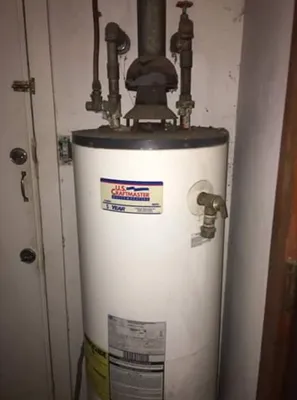
SHOOKIE'S Plumbing & Heating
Shookie's Plumbing & Heating was born from a very real, local need. When owner Shookie's own boiler broke down years ago and money was tight, he rolled up his sleeves and figured it out himself. That ...
High Destiny Services is a family-run plumbing company serving Philadelphia, PA, and surrounding areas including Luzerne, Wyoming, Columbia, and Lackawanna counties. We provide reliable plumbing solut...
Estimated Plumbing Costs in Glen Lyon, PA
Q&A
What should I do before spring thaw to prevent plumbing problems?
Insulate exposed pipes in unheated crawl spaces and basements before temperatures drop to 19°F. Disconnect garden hoses and shut off exterior faucets to prevent freeze damage that manifests during thaw cycles. Check your main shutoff valve for smooth operation—spring thaw brings pressure surges that test valve integrity. These steps address the specific freeze-thaw cycle patterns our temperate climate experiences each year.
How quickly can a plumber reach my home in Glen Lyon?
Heading past Hanover Reservoir on PA-29, our dispatch route covers most Newport Township addresses within 45-60 minutes. The reservoir serves as our eastern starting point, with PA-29 providing the main artery through the township's hilly terrain. We maintain this response window year-round, adjusting for seasonal road conditions and traffic patterns that affect travel times along this corridor.
Who handles permits for plumbing work in Newport Township?
Newport Township Building Department issues local permits while Pennsylvania Department of Labor and Industry oversees statewide code compliance. I maintain current credentials with both agencies and manage the permit application process for clients. This includes submitting detailed plans for review, scheduling required inspections, and ensuring all work meets current UPC standards. Handling this red tape means homeowners avoid bureaucratic delays and potential compliance issues.
Why do my galvanized pipes keep springing leaks?
Galvanized steel installed in 1938 suffers from internal corrosion that creates pinhole leaks along pipe walls. The zinc coating has completely deteriorated after 88 years, exposing bare steel to constant water contact. Joint calcification compounds the problem—mineral deposits build up at connections, creating stress points that crack under normal pressure. These failures typically start in hidden areas like crawl spaces and basement ceilings before becoming visible.
How old are the pipes in Glen Lyon homes and what should I expect at this age?
Galvanized steel pipes installed around 1938 are now 88 years old. Homeowners in Newport Township Core are seeing widespread rust buildup and reduced water pressure as the interior diameter shrinks. Many systems are reaching their functional lifespan, with frequent leaks appearing at threaded joints and along pipe runs. This isn't just about age—it's about material fatigue that accelerates after 80 years of service.
Are there special considerations for rural plumbing in Glen Lyon?
Rural properties here often combine well water systems with septic tanks, creating unique maintenance needs. Well pumps require regular pressure tank checks and sediment filter changes due to local water hardness. Septic systems need careful monitoring of drain field performance, especially on sloped lots where effluent distribution can become uneven. These systems operate independently from municipal utilities, requiring specialized knowledge of pump controls, tank baffles, and drainage field grading.
Does Susquehanna River water damage my plumbing fixtures?
Water drawn from the Susquehanna contains high mineral content that creates hard water scaling throughout your system. Scale buildup insulates water heater elements, reducing efficiency and shortening tank lifespan. Fixtures develop restricted flow as aerators and valve seats accumulate mineral deposits. This scaling also accelerates corrosion in older galvanized pipes by creating uneven surfaces where rust can take hold more aggressively.
Could my home's hillside location cause drainage issues?
Hilly slopes around Hanover Reservoir create drainage challenges that stress main sewer lines. Gravity pulls wastewater downhill, but soil shifting on steep grades can misalign pipe joints over time. Surface water runoff during heavy rains adds hydraulic pressure that tests older pipe connections. Properties built on fill or unstable soil near slopes may experience more frequent line breaches as the ground settles around aged infrastructure.
