Top Emergency Plumbers in Glade, PA, 16365 | Compare & Call

There are 239 plumbing companies server in Glade PA
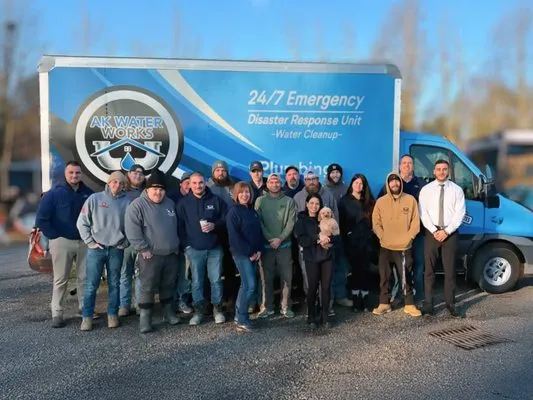
AK Water Works Plumbing & Drain
AK Water Works Plumbing & Drain is a family-owned, locally-operated plumbing company dedicated to serving Warren, OH, and the surrounding communities. We understand that plumbing problems are more tha...
1-Tom-Plumber is a trusted plumbing service in Tarentum, PA, offering comprehensive solutions for both residential and commercial clients. Available 24/7/365, we specialize in everything from routine ...
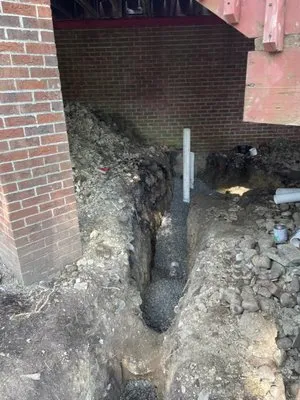
G Horvath Plumbing is a trusted, locally-owned plumbing service serving Pittsburgh and the surrounding communities. As a full-service plumbing contractor, they handle everything from routine repairs t...
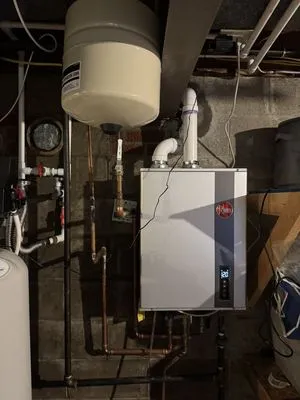
412 Handyman Solutions is a trusted local handyman service in Saxonburg, PA, with over 25 years of construction experience. We specialize in a wide range of home improvement services, including plumbi...
Kaleb's Kustom Plumbing is a veteran-owned company serving Pittsburgh, founded in 2023 on principles of integrity, honesty, and respect. As a proud Air Force veteran, husband, and father of four, owne...

RJS Plumbing is a locally-owned and operated Pittsburgh plumbing service built on a foundation of integrity and fairness. After nearly two decades working for other companies in the area, owner Ryan r...

Steve the Plumber is a Pittsburgh-based plumbing and electrical service provider with eight years of hands-on experience in the trade. Working under a master plumber since 2017, Steve now operates ind...
Day to Day Plumbing has been Pittsburgh's trusted plumbing partner since 2019, providing reliable and professional solutions for homeowners and businesses throughout the area. We specialize in compreh...
Founded in 2018 by a Registered Master Plumber with over 17 years of experience, Affordable Drain Cleaning and Plumbing Repairs is a local, owner-operated company serving McKeesport and the greater Pi...

Laskowski Plumbing
For over 25 years, Laskowski Plumbing has been the trusted, licensed plumbing service for Butler County and the surrounding Pittsburgh area. Based right here in Butler, PA, we provide comprehensive re...
Estimated Plumbing Costs in Glade, PA
Question Answers
Does hard water from the Allegheny River damage my plumbing fixtures?
Hard water from the Allegheny River causes scale buildup that reduces water flow and efficiency over time. Water heaters accumulate mineral deposits on heating elements, forcing them to work harder and shortening their lifespan. Fixtures like showerheads and faucets develop crusty deposits that affect performance. Installing a whole-house water softener can significantly reduce these issues.
How quickly can a plumber reach my home in Glade?
Heading past Allegheny National Forest on US-6, my dispatch route typically takes 45-60 minutes depending on weather and traffic. I monitor road conditions along US-6, especially during winter months when snow can slow travel. This routing allows me to serve both Glade Village and surrounding areas efficiently while maintaining predictable response times.
Why do my 1960s copper pipes keep springing leaks?
Copper pipes installed around 1968 often develop pinhole leaks due to decades of internal corrosion and scale buildup. The solder joints from that era can also fail as they age, leading to leaks at fittings. This is particularly common in hot water lines where thermal expansion stresses older materials. Regular inspections can catch these issues before they cause significant water damage.
Could the hilly terrain around Glade affect my home's drainage?
The sloping landscape around Allegheny National Forest creates drainage challenges that put stress on main sewer lines. Downhill properties often experience increased pressure on their drainage systems, while uphill homes may deal with soil erosion around buried pipes. Proper grading and French drains help manage runoff. Regular camera inspections can identify stress points before they become major issues.
What should I do to prepare my plumbing for Glade's cold winters?
Insulate exposed pipes in unheated areas before temperatures drop to 15°F. Drain outdoor spigots completely and install frost-proof hose bibs. During spring thaw, check for new leaks as frozen pipes thaw and expand. Keep cabinet doors open to allow warm air to circulate around pipes under sinks. These simple steps prevent most winter plumbing emergencies in our snow belt climate.
Who handles permits for plumbing work in Warren County?
I manage all necessary permits through the Warren County Planning and Zoning Department and maintain current Pennsylvania Department of Labor and Industry credentials. This includes permits for water heater replacements, sewer line repairs, and bathroom renovations. Handling this red tape ensures your project meets local codes and passes inspections without requiring your direct involvement.
My Glade Village home was built around 1968 - should I be worried about my plumbing?
Your copper pipes are now 58 years old, which puts them at a critical age for failure. Homeowners in Glade Village are seeing pinhole leaks develop in their hot water lines, especially behind walls and under floors. Copper naturally thins over decades of use, and the mineral content in our water accelerates this wear. Many systems from this era need partial repiping or full replacement to avoid water damage.
Are there special plumbing considerations for rural homes in Glade?
Rural properties typically have private wells and septic systems that require different maintenance than municipal services. Well pumps need regular checks for pressure and sediment buildup. Septic systems require pumping every 3-5 years depending on household size. Water quality testing is essential since there's no municipal treatment. Understanding these systems helps prevent costly emergencies.
