Top Emergency Plumbers in Gibson Township, PA, 18847 | Compare & Call

There are 73 plumbing companies server in Gibson Township PA
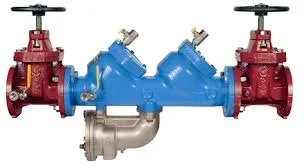
WaterBoyz Backflow Testing and Repairs LLC is a trusted local plumbing service in Allentown, PA, specializing in backflow assembly testing, maintenance, and repairs. Our expert technicians ensure your...
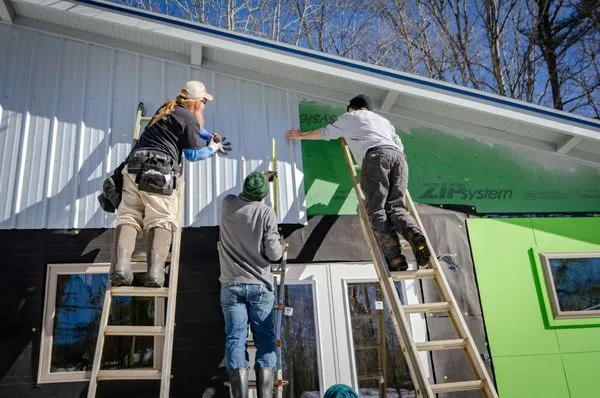
Knights For Christ is a faith-based remodeling and construction company serving the Freeland, PA community. We provide a comprehensive range of home improvement services, from kitchen and bathroom ren...
Bill The Plumber is a trusted, veteran-owned plumbing and HVAC service based in Clarks Summit, PA, serving homeowners and businesses throughout Lackawanna, Luzerne, and Wyoming Counties since 2020. We...
Founded by a veteran plumber with over a decade of experience, NEPA Plumbing Solutions was born from a desire to build a different kind of company—one that values fairness for both its team and its cu...
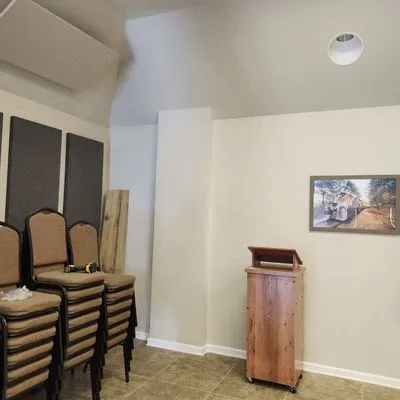
Billy Fix-It-All Handyman provides reliable home repair services for the Hawley community and surrounding counties. With over two decades of experience, we specialize in solving everyday household pro...
Wayne J Pisanchyn Plumbing & Heating
Since 1991, Wayne J Pisanchyn Plumbing & Heating has been the trusted local choice for plumbing, heating, and air conditioning services in Clarks Summit and the surrounding areas. As a licensed and fu...

Ron's Handyman Service in Wysox, PA, provides reliable home maintenance and repair solutions for local residents. With expertise spanning appliance installation, plumbing, electrical work, drywall, pa...
M & M Plumbing, Heating, and Air Conditioning
M & M Plumbing, Heating, and Air Conditioning is your trusted, full-service plumbing expert in Taylor, PA. We provide comprehensive solutions for residential and commercial properties, from emergency ...
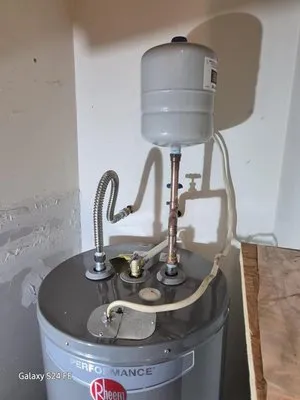
Plumbdogs is Scranton's trusted, family-run plumbing and HVAC company. Founded by local expert Candan Altuner, our team combines extensive hands-on experience with a genuine commitment to the communit...
Remarkable Plumbing and Heating is a locally owned and operated plumbing service based in Beach Lake, PA, with over 15 years of experience serving North East Pennsylvania and parts of New York. Licens...
Estimated Plumbing Costs in Gibson Township, PA
FAQs
Why do my copper pipes keep springing pinhole leaks?
Copper pipes installed around 1974 often develop pinhole leaks due to a combination of age and local water chemistry. Over five decades, microscopic corrosion weakens thin spots in the pipe walls, especially at joints or bends. The hard water common here accelerates this process through scale buildup. You'll typically notice these leaks first in basements or behind fixtures, appearing as small damp spots that grow slowly.
Who handles permits for plumbing work in Susquehanna County?
Susquehanna County Planning Commission oversees local permits, while the Pennsylvania Department of Labor and Industry sets statewide plumbing codes. As a licensed master plumber, I manage that paperwork and ensure installations meet all requirements. Homeowners don't need to navigate county offices or state regulations themselves—proper documentation gets filed during the job. This covers everything from simple repairs to full system replacements, keeping your project compliant and insurable.
What should I do before spring thaw to prevent plumbing problems?
Before temperatures rise above freezing, walk your property to check for exposed pipes or fittings. Insulate any lines in unheated spaces like crawl spaces, since our 15°F lows can still cause issues even as thaw begins. Clear debris from outdoor drains to handle melting snow runoff. A pro-tip: shut off and drain outdoor spigots before the first thaw to prevent pressure surges from damaging interior connections.
How quickly can a plumber reach my home in Gibson Township?
Heading past Elk Mountain Ski Resort on I-81, most dispatch routes take 45-60 minutes to reach Gibson Village. That timing accounts for winding rural roads and elevation changes. We plan routes to minimize delays, but weather or seasonal traffic near the ski resort can affect exact arrival times. Regular service calls usually fall within that window, while emergencies might push it slightly longer depending on road conditions.
My Gibson Village home was built in the 1970s—should I worry about my plumbing?
Your copper pipes are now about 52 years old, which is when many systems start showing their age. Homeowners in Gibson Village often notice reduced water pressure or small leaks appearing in walls or ceilings. This happens because decades of water flow and mineral buildup gradually thin the pipe walls. Copper from that era typically lasts 40-60 years, so you're entering the window where proactive inspection makes sense.
Are septic and well systems different to maintain in rural Gibson Township?
Rural properties with private wells and septic systems require different maintenance than municipal-connected homes. Wells need regular testing for water quality and pump checks, while septic systems demand careful monitoring of what goes down drains. There's no city water pressure to mask small leaks, so drips often go unnoticed longer. Distance between house components and the well or septic tank also affects repair complexity and cost.
Could my home's hillside location cause drainage or pipe issues?
Hilly terrain around Elk Mountain Ski Resort puts constant stress on main water lines through soil shifting and gravity pressure. Downslope properties often deal with drainage water accumulating near foundations, which can overwhelm perimeter drains. Uphill homes might experience pressure drops or air in lines due to elevation changes. The soil composition here also affects how quickly water drains away from your property after heavy rain or snowmelt.
Does hard water from my private well damage plumbing fixtures?
Hard water causes mineral scale to accumulate inside pipes, water heaters, and fixtures over time. In water heaters, that scale acts as insulation, forcing the unit to work harder and shortening its lifespan. Faucets and showerheads develop reduced flow as small openings clog. For private wells, this is especially noticeable because there's no municipal treatment to soften the water before it enters your home's system.
