Top Emergency Plumbers in Georgetown, PA, 18702 | Compare & Call

There are 240 plumbing companies server in Georgetown PA
Arlington Plumbing Heating and Cooling
For over a decade, Arlington Plumbing Heating and Cooling has been the trusted local provider for comprehensive plumbing, heating, and cooling services across Northern Virginia. Founded on a passion f...
Philios Plumbing & Drains is a locally owned and licensed plumbing service serving Bailey's Crossroads and the surrounding communities. We specialize in solving urgent plumbing problems, from sewer ba...
Reddick & Sons
Reddick & Sons is a family-owned and operated Class A contractor based in Manassas, VA, proudly serving Northern Virginia since 2009. Founded by Daniel Reddick, a Prince William County native who hold...
At Abe's Plumbing, we bring over two decades of dedicated plumbing expertise to Annandale and Northern Virginia. Our journey began in bathroom remodeling, which gave us a deep understanding of how plu...
Belle View Plumbing is a licensed and insured plumbing contractor serving Alexandria, VA, and the wider Northern Virginia area. With over 15 years of experience, our team provides comprehensive reside...
Hello! I'm Andrew, the owner and Master Plumber behind Plumbers of America LLC here in Arlington. I've been working in the plumbing trade since 2012, earned my master license in 2020, and started this...
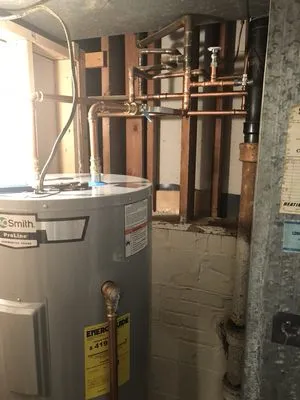
MJW Plumbing Company is a locally owned and operated plumbing service in Great Falls, founded by Michael Whitecotton. A Vienna, VA native, Michael became a certified Master Plumber in 2012 and built h...
Home Service Pros is a trusted, locally-owned contractor serving Alexandria, VA, and the greater Northern Virginia region. Founded by Greg Schick and built from the merger of Quality Sewer & Drain and...
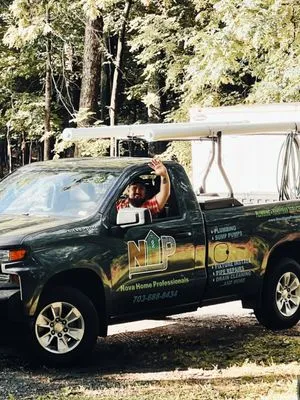
Two Irish Plumbers, formerly Nova Home Professionals, is a fully licensed and insured plumbing company serving Alexandria, VA. Owned and operated by Steven Katz and Ian Harris, we bring over 20 years ...
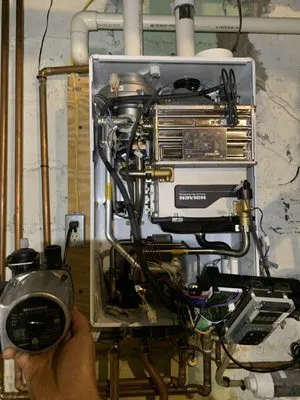
Bob and Kur Plumbing is a family-owned and operated Arlington business founded in 2021 by an experienced plumber with over a decade in the industry. As a father, husband, and son, Bob brings a persona...
Estimated Plumbing Costs in Georgetown, PA
Questions and Answers
Who handles permits and inspections for a major plumbing job in Beaver County?
The Beaver County Building Inspection Department issues the required permits, and the Pennsylvania Department of Labor and Industry sets the code standards we follow. As a licensed master plumber, I pull those permits and schedule all inspections as part of the job. My credential number is on the permit application, which means I handle the red tape and ensure the work passes code, so you don't have to navigate that process yourself.
How long does it take for a plumber to get to a home in Georgetown?
From our staging area near the Ohio River, the dispatch route follows PA-168 directly into the community. That drive typically takes 45 to 60 minutes. We factor in the specific hilly terrain and potential traffic on those main routes to provide a realistic arrival window. You can expect a clear call when we're on PA-168 and about 15 minutes out.
Are there different plumbing concerns for rural homes versus town homes in Georgetown?
Absolutely. Homes in the borough center are typically on municipal sewer and water, where pressure fluctuations and main line breaks can be an issue. More rural properties often rely on private wells and septic systems. For those, maintenance of the well pump, pressure tank, and regular septic pumping every 3-5 years are the primary concerns, alongside the shared issue of aging interior pipes.
How does Georgetown's hilly land affect my home's plumbing?
The slope of the land creates unique stress points. For sewer lines, gravity is your friend, but a sharp change in grade can cause waste to slow and solids to settle, leading to clogs. On the supply side, the main line coming from the street up a hill is under constant pressure, and any weakness in those older galvanized pipes will show up there first. Proper drainage away from the foundation is also crucial to prevent basement water intrusion.
What's the most important seasonal plumbing maintenance for this area?
Insulate any exposed pipes in crawl spaces or along exterior walls before winter. Our average lows hit 21°F, and uninsulated lines are at high risk. The critical period is the spring thaw; as frozen ground melts and shifts, it can stress and crack underground supply lines or sewer laterals. A pro-tip is to mark the location of your main water shut-off valve now, so you can act fast if a pipe lets go during a thaw.
What's the most common plumbing repair needed in older Georgetown homes?
The galvanized steel pipes from the 1950s fail in a specific way. The interior walls rust and develop scale, which eventually flakes off and blocks the line completely. More critically, the pipe walls themselves thin out and corrode, leading to pinhole leaks at joints and along straight runs. A full repipe with modern materials like copper or PEX is often the only permanent fix, as patching one leak usually leads to another nearby.
Why are so many homes in Georgetown Borough Center having plumbing problems right now?
Built around 1953, the galvanized steel pipe in many Georgetown homes is now about 73 years old. Steel pipes have a typical lifespan of 50-70 years, so we are in a predictable failure window. Homeowners are seeing widespread rust accumulation, which drastically reduces water pressure, and pinhole leaks appearing in walls and ceilings. This isn't random bad luck; it's the expected outcome of the material reaching the end of its service life.
Does our Ohio River water cause problems for home appliances?
Yes, the hard water prevalent here leads to significant scale buildup. Inside a water heater, that mineral scale acts as an insulator, forcing the unit to work harder and fail sooner. You'll also see scale crust on showerheads and faucet aerators, which reduces flow. Installing a whole-house water softener is the standard recommendation to protect appliances and improve fixture performance.
