Top Emergency Plumbers in Frazer Township, PA, 15084 | Compare & Call

There are 239 plumbing companies server in Frazer Township PA
Zach Of All Trades is a trusted local handyman and repair service based in Rogers, OH, offering comprehensive solutions for appliance installation, electrical work, plumbing, and general home maintena...
Whalen Enterprise LLC in Rogers, OH, was founded by a professional with deep roots in pipeline and excavation work, driven by a passion for tackling diverse projects. This foundation expanded naturall...
Affordable Budget Plumbing & Drain
Affordable Budget Plumbing & Drain is a trusted local plumbing service in Mingo Junction, OH, dedicated to providing reliable and cost-effective solutions for residential plumbing needs. We specialize...
Revelation Plumbing serves Pittsburgh homeowners with reliable, same-day plumbing solutions. We understand that plumbing emergencies like burst pipes or sewer backups can't wait, which is why we arriv...
1-Tom-Plumber is a trusted plumbing service in Tarentum, PA, offering comprehensive solutions for both residential and commercial clients. Available 24/7/365, we specialize in everything from routine ...
Metz Plumbing & Sewer Lining LLC is a family-owned plumbing service rooted in Canonsburg, PA, with over 20 years of industry experience. Founded by professionals who previously managed a large local c...
Cheddar's Plumbing is a locally owned and operated residential plumbing service in Pittsburgh, PA, founded by Nick and his wife with a commitment to quality work at fair prices. Since 2016, Nick has b...
Knight & Day Plumbing
Knight & Day Plumbing is a trusted, full-service plumbing company serving Pittsburgh, PA, and the surrounding communities. We specialize in addressing the unique plumbing challenges of the Steel City,...
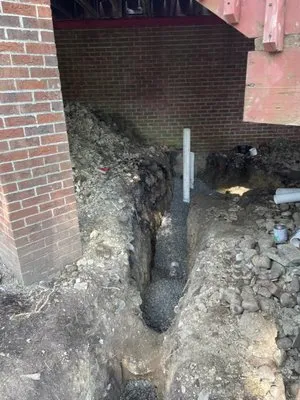
G Horvath Plumbing is a trusted, locally-owned plumbing service serving Pittsburgh and the surrounding communities. As a full-service plumbing contractor, they handle everything from routine repairs t...
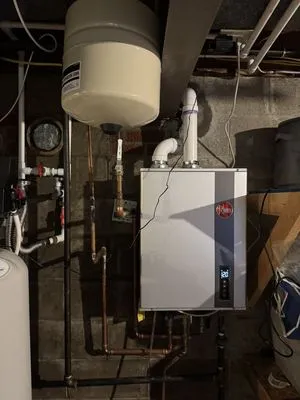
412 Handyman Solutions is a trusted local handyman service in Saxonburg, PA, with over 25 years of construction experience. We specialize in a wide range of home improvement services, including plumbi...
Estimated Plumbing Costs in Frazer Township, PA
Question Answers
How fast can a plumber get to Frazer Township?
Our dispatch route typically has us heading past Pittsburgh Mills on PA-28. This corridor provides a direct path into the township, avoiding heavier city traffic. For most service calls from that starting point, you can expect a service vehicle at your door within 30 to 45 minutes, depending on final location within Frazer.
Does Allegheny River water affect my water heater's lifespan?
Yes, significantly. Water from the Allegheny is hard, meaning it carries a high mineral content. These minerals precipitate as scale inside your water heater tank and on its heating elements. This insulating layer forces the heater to work harder, increasing energy costs and causing premature failure. An annual flush and a properly sized anode rod are critical maintenance steps here.
Could the hilly land in Frazer Township cause sewer problems?
The sloping terrain common around Pittsburgh Mills can stress sewer lines. A lateral line running down a steep hill may experience increased flow velocity and shifting soil, which can loosen joints. Conversely, lines at the base of a hill can be prone to infiltration from groundwater during heavy rains. Proper bedding and modern joint materials are key for a durable installation.
What's the most important spring plumbing maintenance near Pittsburgh?
Before the spring thaw hits its peak, disconnect any garden hoses from your exterior faucets. A hose left connected traps water in the bib; when overnight temps still dip near 21°F, that water freezes and expands back into your interior piping, causing a split. This simple act prevents one of the most common and costly seasonal leaks we see.
What causes those sudden pinhole leaks in my basement pipes?
Galvanized steel from the 1960s is prone to a specific failure called pitting corrosion. Internal rust creates weak spots that eventually perforate, leading to those small, spraying pinhole leaks. This often happens at threaded joints where the protective zinc coating was compromised during installation. The leaks seem sudden, but the corrosion process has been active for decades.
Do I need a permit to replace my water heater in Frazer Township?
Yes, water heater replacements require permits from the Frazer Township Building and Zoning Department, and the installation must comply with Pennsylvania Department of Labor and Industry codes. As a licensed master plumber, I pull all necessary permits and schedule the required inspections. My credential ensures the work meets code, so you don’t have to navigate that red tape.
My drains are slow but the township says the main line is clear. What's wrong?
In a suburban setting like ours, the issue is typically in your private sewer lateral, the pipe connecting your home to the municipal main. Over decades, tree roots seek moisture and can infiltrate older pipe joints, creating a dense, hair-like blockage that slows drains. A camera inspection can pinpoint these root intrusions or any sagging sections in the line.
Why is the water pressure dropping in my Frazer Township house?
Homes in Creighton built around 1961 have original galvanized steel pipes that are now 65 years old. This material corrodes from the inside out, and by this age, the interior diameter can be reduced to the width of a pencil by rust and scale. You’re likely seeing a gradual, persistent drop in pressure as the flow path narrows. Complete blockages and sudden pipe failures become common once pipes reach this stage.
