Top Emergency Plumbers in Franklin Park, PA, 15090 | Compare & Call

There are 238 plumbing companies server in Franklin Park PA
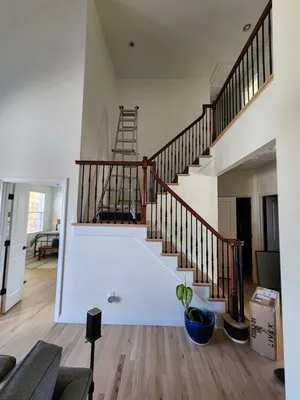
Zach Of All Trades is a trusted local handyman and repair service based in Rogers, OH, offering comprehensive solutions for appliance installation, electrical work, plumbing, and general home maintena...
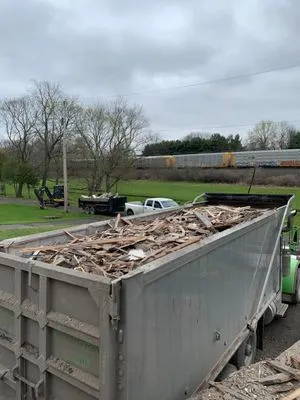
Whalen Enterprise LLC in Rogers, OH, was founded by a professional with deep roots in pipeline and excavation work, driven by a passion for tackling diverse projects. This foundation expanded naturall...
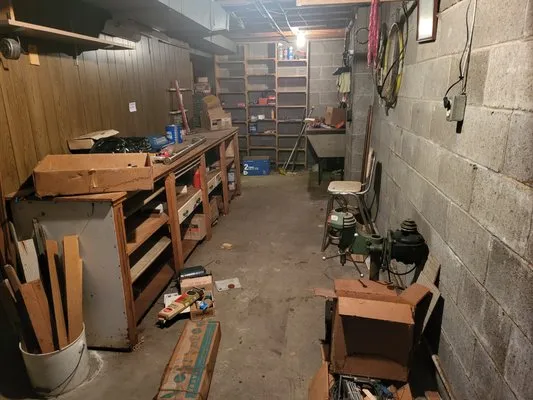
Savin Spaces Junk Removal LLC is a trusted, locally-owned company serving Wellsville, Ohio, and the surrounding communities. We specialize in two key areas that help homeowners and businesses reclaim ...
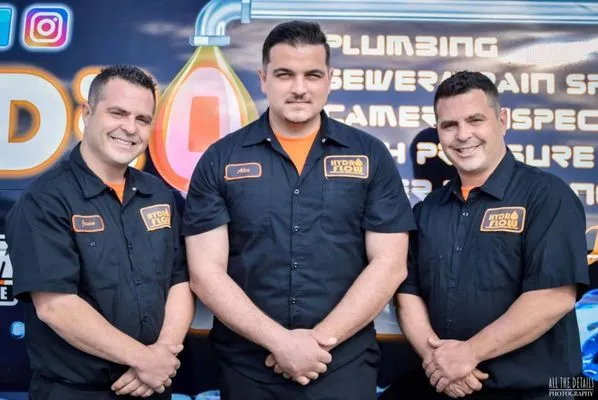
At Hydro-Flow Plumbing & Drain in Warren, OH, we understand that plumbing issues demand a swift and reliable response. With over three decades of dedicated service in North East Ohio and Western Penns...
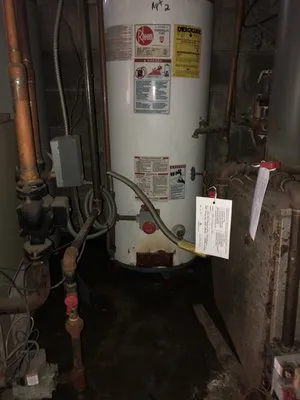
Affordable Budget Plumbing & Drain
Affordable Budget Plumbing & Drain is a trusted local plumbing service in Mingo Junction, OH, dedicated to providing reliable and cost-effective solutions for residential plumbing needs. We specialize...

All Service Home Maintenance in Dillonvale, OH, is your trusted local partner for residential and commercial property upkeep. We provide a comprehensive range of solutions, from electrical panel and c...

Hi, I'm Alex, known around Salem as 'Big Al.' For the past 15 years, I've been dedicated to providing reliable plumbing services to my neighbors, handling everything from a simple faucet repair to a f...
Revelation Plumbing serves Pittsburgh homeowners with reliable, same-day plumbing solutions. We understand that plumbing emergencies like burst pipes or sewer backups can't wait, which is why we arriv...
1-Tom-Plumber is a trusted plumbing service in Tarentum, PA, offering comprehensive solutions for both residential and commercial clients. Available 24/7/365, we specialize in everything from routine ...
Metz Plumbing & Sewer Lining LLC is a family-owned plumbing service rooted in Canonsburg, PA, with over 20 years of industry experience. Founded by professionals who previously managed a large local c...
Estimated Plumbing Costs in Franklin Park, PA
Frequently Asked Questions
How long does it take a plumber to get to Franklin Park from the city?
Heading past Sewickley Heights Park on I-79 is my usual route into Franklin Park. Barring heavy traffic or winter weather, that puts my response time at 20 to 30 minutes. I keep a stocked service truck to handle most common emergencies on that first visit, so we can start work immediately.
Is my copper plumbing getting old? I'm in Franklin Park Heights.
Your home's copper plumbing is now 41 years old, a typical age for this area. You're likely seeing pinhole leaks or a drop in water pressure as the pipes wear thin. This isn't a sudden failure but a gradual process from decades of water chemistry interacting with the metal. Replacing entire sections proactively is often more cost-effective than chasing individual leaks.
Do I need a permit to replace my water heater in Franklin Park?
Yes, the Franklin Park Borough Building Department requires permits for water heater replacements. As a master plumber licensed by the Pennsylvania Department of Labor and Industry, I pull all necessary permits, schedule inspections, and ensure the installation meets current code. Handling this red tape is part of the job so you have a compliant, safe system without the hassle.
What's the most important thing to do before spring in Franklin Park?
Before the spring thaw hits its peak, disconnect and drain your outdoor hose bibs. A hose left connected traps water in the pipe; when that water freezes again during a 21-degree night, it can split the pipe inside your wall. This simple step prevents one of the most common and costly freeze-related calls we get in this temperate climate.
Does hard water from the Allegheny River damage my appliances?
Yes, the hard water contributes to significant scale buildup. You'll see it most in water heaters, where sediment insulates the heating element and drastically reduces efficiency and lifespan. Faucet aerators and showerheads also clog frequently. Installing a whole-house water softener is the standard solution here to protect your plumbing investment and reduce maintenance.
What's different about plumbing in a suburban area like this?
You're on municipal water and sewer, which means consistent pressure but also specific codes for your lateral lines. The main concern is that tree roots from mature landscaping are often attracted to the moisture in older sewer lines, leading to blockages. It's a good practice to have your main sewer line scoped with a camera every few years to catch root intrusion early.
Could the hilly land here cause plumbing problems?
The slope around Sewickley Heights Park and Franklin Park creates two main issues. First, it puts extra static pressure on the main water line coming into your home. Second, it can complicate drainage, causing water to pool in certain spots and potentially stress foundation drains or sewer laterals. Proper grading and a correctly installed main shutoff valve are critical.
Why am I getting so many pinhole leaks in my copper pipes?
Copper pipes installed around 1985 are at the stage where pitting corrosion is common. This creates tiny pinhole leaks, often at solder joints or where the pipe contacts dissimilar metals. It's a sign the internal pipe wall has thinned from years of our local water's mineral content. A full repipe is the definitive fix, but dielectric unions on new installations can prevent future galvanic corrosion.
