Top Emergency Plumbers in Factoryville, PA, 18419 | Compare & Call

There are 77 plumbing companies server in Factoryville PA
My journey in hands-on repair started young, right in the basement of my childhood home. At age eleven, I found some wire and an outlet on my dad's workbench and decided to install it myself. I manage...
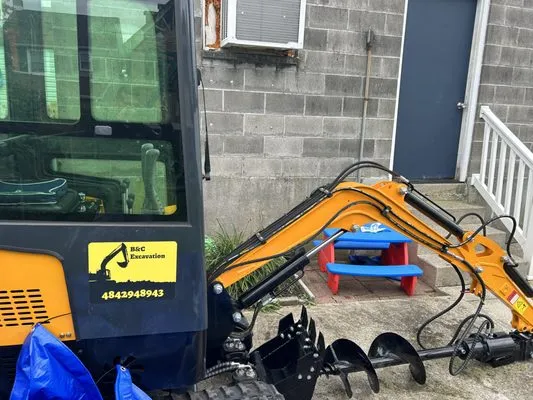
B&C Excavation is a family-owned and operated business proudly serving Allentown and the Lehigh Valley. Our foundation is built on over 20 years of combined experience, including 8 years of service wi...
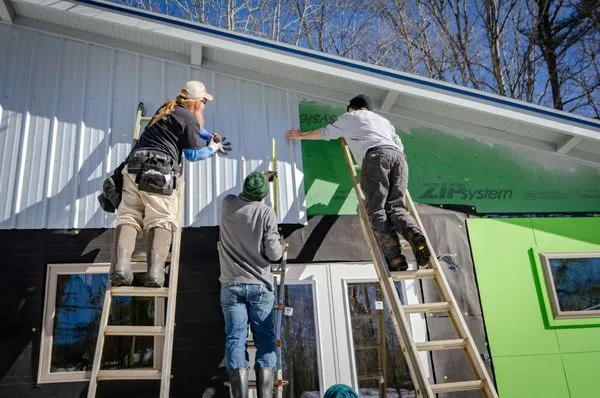
Knights For Christ is a faith-based remodeling and construction company serving the Freeland, PA community. We provide a comprehensive range of home improvement services, from kitchen and bathroom ren...
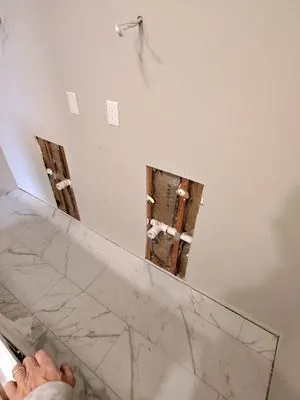
M&E Hvac Plumbing Solution's
M&E HVAC Plumbing Solutions is a Scranton-based family business built on a simple, powerful idea: a comfortable, safe home should also be a responsible one. Founded by Mike, a recently married father ...
Bill The Plumber is a trusted, veteran-owned plumbing and HVAC service based in Clarks Summit, PA, serving homeowners and businesses throughout Lackawanna, Luzerne, and Wyoming Counties since 2020. We...
Founded by a veteran plumber with over a decade of experience, NEPA Plumbing Solutions was born from a desire to build a different kind of company—one that values fairness for both its team and its cu...
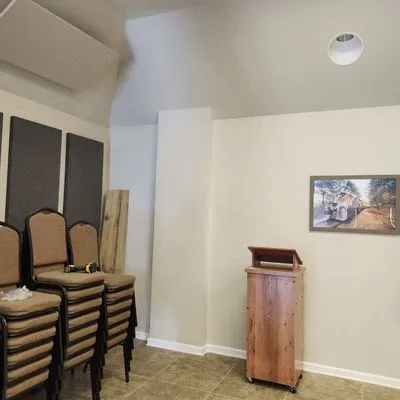
Billy Fix-It-All Handyman provides reliable home repair services for the Hawley community and surrounding counties. With over two decades of experience, we specialize in solving everyday household pro...

For over 35 years, Michael J. Nole Plumbing & Heating has been the trusted, family-owned solution for plumbing and heating needs in Dunmore and throughout Lackawanna, Luzerne, and Wayne Counties. Foun...
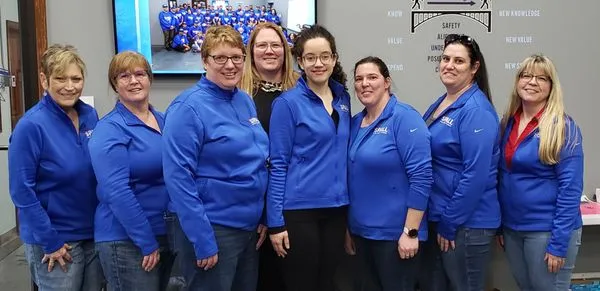
TE Spall & Son
T.E. Spall & Son is a family-owned and operated HVAC and plumbing service serving Carbondale and the wider Northeastern Pennsylvania community for over 30 years. Founded by Thomas E. Spall, who holds ...
Wayne J Pisanchyn Plumbing & Heating
Since 1991, Wayne J Pisanchyn Plumbing & Heating has been the trusted local choice for plumbing, heating, and air conditioning services in Clarks Summit and the surrounding areas. As a licensed and fu...
Estimated Plumbing Costs in Factoryville, PA
FAQs
Why am I seeing so many rusty water issues in Factoryville homes all of a sudden?
Homes built in 1945 are now 81 years old, which is well beyond the lifespan of galvanized steel plumbing. In the Factoryville Borough Center, you're not just seeing rust, you're experiencing the final stages of internal corrosion. The pipe interior has likely narrowed significantly from scale buildup, causing low pressure. What appears as a sudden problem is actually decades of mineral accumulation finally reaching a critical point, often leading to complete blockages or pipe failure.
What's one thing I should do before spring to avoid a plumbing disaster?
Before the spring thaw peaks, disconnect any garden hoses and ensure your exterior hose bibs are fully drained and shut off from inside. A hose left attached traps water in the bib; when that water freezes on a 15-degree night, it expands and can crack the pipe inside your wall. That crack won't reveal itself until the thaw, when you have a steady leak behind your siding.
My galvanized pipe has a small, persistent leak. What's really going on?
That's likely a pinhole leak from advanced internal corrosion. After 81 years, the protective zinc coating inside galvanized steel is completely gone, leaving the raw iron exposed to water and minerals. The pipe wall weakens unevenly, and the pressure finds the thinnest spot. Patching it rarely works for long because the surrounding metal is just as compromised; the failure is systemic, not localized.
How long does it take for a plumber to get to my house in Factoryville?
From my base near Keystone College, I head out on US-6. That route allows for a direct 45 to 60 minute response to most addresses in the borough and surrounding township. Traffic is generally light, but the timing can depend on whether you're up on a hill or down near the creek. I plan the dispatch to account for those variables so you get a reliable window.
Does the hard water from the Tunkhannock Creek ruin appliances?
Yes, the mineral content from the South Branch Tunkhannock Creek leads to accelerated scale buildup. Inside a water heater, that scale acts as an insulator on the heating elements, forcing them to work harder and fail sooner. On faucet cartridges and shower valves, the scale granules act like sand, grinding down seals and causing drips. You'll see a shorter lifespan on any appliance that heats or meters water.
Could the hilly land around here be causing my main drain line problems?
Absolutely. The slope of the land, especially in areas around Keystone College, puts constant lateral stress on the main sewer line running from your house to the street. Over decades, this stress can cause joints to separate or the pipe itself to sag, creating a belly that collects debris. During heavy rain, groundwater from the hillside can also infiltrate these compromised joints, leading to a overwhelmed and backed-up system.
As a rural homeowner with a well and septic, what plumbing issues are unique to me?
Your system operates independently. Well pump pressure switches and tanks are prone to failure from the same hard water scaling that affects fixtures. For septic, the critical issue is what goes down the drain; grease and non-biodegradable materials can clog the inlet baffle or drain field. Unlike a municipal system, a backup here means a health hazard on your property, not just a call to the borough.
Do I need a permit to replace my water heater, and how does that work?
Yes, the Factoryville Borough Zoning Office requires a permit for water heater replacement to ensure proper pressure relief and venting. As a master plumber licensed by the Pennsylvania Department of Labor and Industry, I pull that permit, schedule the inspection, and handle all the paperwork. My credential means the work meets state code, so you don't have to navigate the red tape yourself.
