Top Emergency Plumbers in Espy, PA, 17815 | Compare & Call

There are 40 plumbing companies server in Espy PA

NPM Plumbing is a family-owned plumbing business serving Lehighton, PA, and surrounding Carbon County areas with over 27 years of experience. We handle everything from routine maintenance and repairs ...
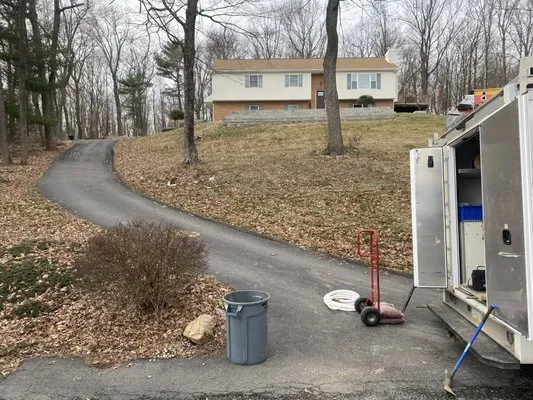
Andreas Plumbing, Heating & Air Conditioning
Andreas Plumbing, Heating & Air Conditioning is a family-run, four-generation business proudly serving Lehighton and the surrounding Carbon County area. Founded on a deep commitment to the community, ...
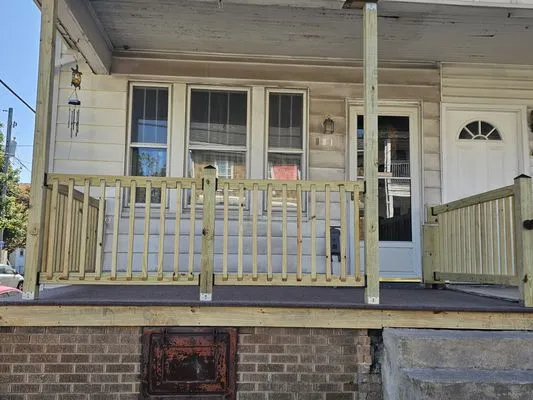
Lynn's Handyman Services is a trusted local provider in Tamaqua, PA, offering comprehensive home repair and maintenance solutions. With expertise spanning appliance installation and repair, plumbing, ...
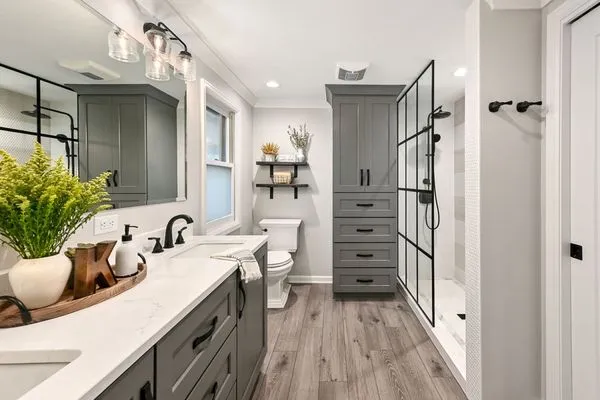
Stancl Services is a family-owned, locally operated handyman business in Lansford, PA, dedicated to helping homeowners with a wide range of repair and installation needs. With years of experience work...
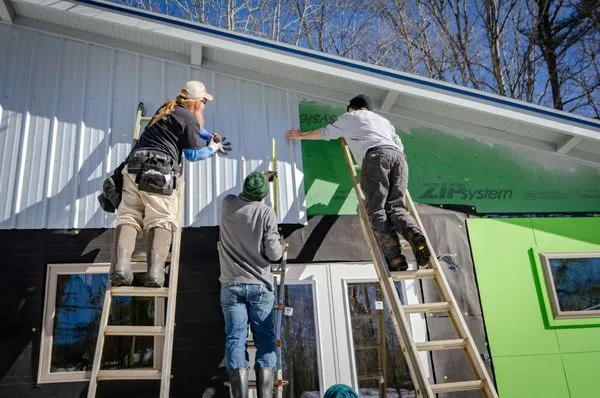
Knights For Christ is a faith-based remodeling and construction company serving the Freeland, PA community. We provide a comprehensive range of home improvement services, from kitchen and bathroom ren...

Eiffel Services
Eiffel Services is a family-owned plumbing and contracting business serving New Ringgold and surrounding communities in Lehigh, Schuylkill, Carbon, and Berks Counties since 1991. Founded by William S....

David Small
David Small provides reliable plumbing and HVAC services for Fleetwood, PA, and the surrounding area. With a comprehensive range of services, from basic faucet repair to complex sewer line excavation ...

Just Junk in Sanatoga, PA, is a local service provider specializing in comprehensive property solutions, including junk removal, demolition, and drainage services. Our team handles appliance and furni...
Hydro-Therapeutics Water Conditioning
Hydro-Therapeutics Water Conditioning has been a trusted name for water quality in Schuylkill Haven and across Northeastern Pennsylvania since 1989. As a local, family-operated business, we specialize...
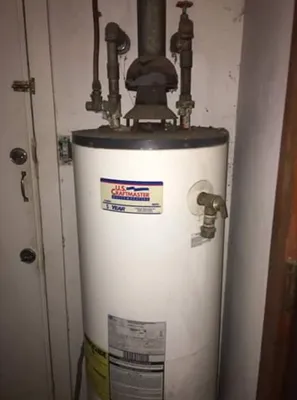
SHOOKIE'S Plumbing & Heating
Shookie's Plumbing & Heating was born from a very real, local need. When owner Shookie's own boiler broke down years ago and money was tight, he rolled up his sleeves and figured it out himself. That ...
Estimated Plumbing Costs in Espy, PA
Common Questions
I keep hearing a ticking sound in my walls after using hot water. What's causing that?
That ticking is thermal expansion in your 1960s-era copper pipes. After six decades, the pipe walls have thinned and scale buildup from hard water restricts movement. When hot water flows, the metal expands against the hardened solder joints or calcified interior, creating that sound. It's often a precursor to more significant stress failures.
What's one thing I should do every spring to avoid a plumbing disaster here?
Before the spring thaw peaks, shut off and drain any exterior hose bibs. Our winter lows near 19 degrees mean freeze damage often occurs in the sill cocks. Draining them prevents ice from backing up into the interior supply lines, which is a common cause of burst pipes when the temperature rapidly swings during our temperate spring.
As a rural homeowner with a well and septic, what plumbing issues should I watch for that are different from the city?
Focus on your pressure tank and septic field lateral. Well pumps can cause water hammer in aging pipes if the pressure switch fails. For septic, tree roots are drawn to the effluent in the lateral line and can cause blockages, which are your responsibility to maintain. Municipal sewer users don't face that particular risk.
I need to install a new water heater. What permits are required from Scott Township?
Scott Township Building Code Department requires a permit for water heater replacement, as it involves gas, water, and pressure connections. My license is registered with the Pennsylvania Department of Labor and Industry, so I handle pulling the permit, scheduling inspections, and ensuring the install meets all current code—you don't have to manage that red tape.
My basement drain backs up during heavy rain. Could the hill my house is on be part of the problem?
The hilly terrain around the Susquehanna River directly impacts drainage. If your home is situated on a slope, the main sewer line leaving your house can develop a low spot or belly over time due to soil shift. This area collects debris and restricts flow, especially during peak runoff, causing backups exactly as you describe.
Our house was built around 1964, and I've started seeing green stains around my pipe joints. Is this normal for the age?
Green stains signal corrosion, a common issue for copper pipes that have reached 62 years of service. In the Espy Residential District, the copper installed in the mid-60s is now entering a phase where pinhole leaks and joint failures become frequent. Mineral deposits from our hard water accelerate this wear, so what you're seeing is a typical warning sign of aging infrastructure.
How quickly can a plumber get to my house in Espy if I have a burst pipe?
A dispatch from the riverbank area typically heads north on US-11. Avoiding the main borough traffic, that route usually puts us at your door within the 20-30 minute window. We factor in local conditions, but that's the standard run for emergency calls in the township.
Does the water from the Susquehanna River affect how often I need to replace my water heater?
Yes, directly. River-sourced water is hard, leading to rapid scale buildup inside the tank and on heating elements. This sediment layer forces the heater to work harder, reducing efficiency and lifespan. Homeowners along the river typically see a need for more frequent flushing or earlier replacement compared to areas with softer water.
