Top Emergency Plumbers in Elder Township, PA, 16646 | Compare & Call

There are 57 plumbing companies server in Elder Township PA

Ricket's Construction serves Thompson, OH, with a dual focus on commercial and residential property maintenance and improvement. While we specialize in commercial maintenance—including lawn care, faci...
MK Plumbing is a trusted, licensed plumbing service operating out of Indiana, PA, and serving homeowners and businesses in Penn Run and the surrounding area. We provide a comprehensive range of servic...
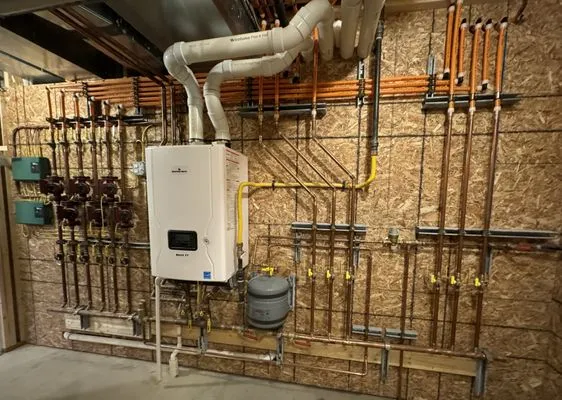
Junction Climate Control
Junction Climate Control has been serving the Pittsburgh area for over a century, with roots dating back to the 1800s as Junction Coal and Coke, which delivered heating coal from its Lawrenceville loc...
Ryland Services is a trusted provider of comprehensive maintenance solutions for Creekside, PA residents and businesses. We specialize in HVAC, plumbing, roofing, and electrical services, delivering r...

Sheriffs Plumbing Heating and Air
Sheriffs Plumbing Heating and Air is a family-owned and operated business serving New Florence, PA, and surrounding Westmoreland, Indiana, and Cambria counties. We provide professional plumbing, heati...

Aqua-Tech Plumbing is a trusted plumbing service based in Portage, PA, dedicated to providing reliable solutions for residential and commercial plumbing needs. We specialize in water heater installati...

Rabenstein Heating, Air Conditioning & Plumbing
Rabenstein Heating, Air Conditioning & Plumbing is a trusted local provider serving Williamsburg, PA, and surrounding Blair, Huntingdon, Northern Bedford, and Southern Centre Counties. Established in ...

Jl Dumm Plumbing & Heating is a trusted, locally-owned plumbing service serving Nicktown, PA, and the surrounding areas. We understand the common challenges homeowners face in our climate, such as out...
FlowRight Plumbing & Drain Cleaning is a trusted, family-owned plumbing service based in Everett, PA, proudly serving Bedford, Blair, and Centre County for over 42 years. Our team brings the right too...
GT HVAC & Plumbing is a trusted, locally owned and operated service provider in Osceola Mills, PA. We specialize in comprehensive plumbing and HVAC solutions designed to meet the unique challenges fac...
Estimated Plumbing Costs in Elder Township, PA
Questions and Answers
Are there special plumbing concerns for a rural home with a well and septic system?
Rural systems require a holistic view. A failing pressure tank or well pump affects every fixture in the house. On the septic side, what goes down your drain directly impacts the leach field. Avoid garbage disposals, which add solids that can clog the system, and be mindful of water usage to prevent overloading the drain field. Maintaining both well and septic is a package deal for reliable water and waste removal.
Why do my pipes keep springing small leaks, especially at the joints?
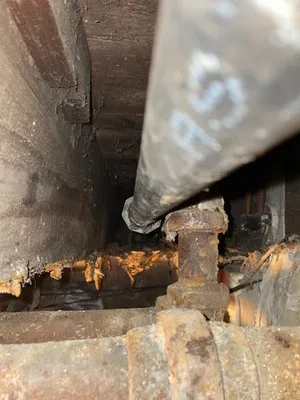
Galvanized steel from the 1950s fails in two main ways. Threaded joints corrode first, losing their seal and weeping water. Pinhole leaks also develop along pipe runs where internal rust has eaten through the wall. This joint calcification and wall thinning are the direct results of 75 years of water and mineral interaction inside the pipe.
Do I need a permit to replace my water heater or re-pipe my house?
Yes, Cambria County Building Code Enforcement requires permits for that work to ensure it meets current safety and efficiency standards. As a licensed Master Plumber, my credentials with the Pennsylvania Department of Labor and Industry allow me to pull those permits, schedule inspections, and handle the red tape so you don’t have to. The process verifies the installation is correct and protects your home’s value.
My water pressure is getting weaker and the water sometimes looks rusty. Is this normal for an older home in the Hastings area?
It’s a predictable sign of aging infrastructure. Homes built around 1951 in this area have galvanized steel pipes now 75 years old. The interior of those pipes corrodes and mineral scale builds up, which restricts flow and causes pressure loss. Rusty water occurs when that internal scale breaks loose. Replacing sections or the entire line is often the permanent fix.
What should I do to prepare my plumbing for winter around here?
The key is acting before temperatures hit the seasonal low near 16°F. Drain and shut off exterior hose bibs from inside the house. Insulate pipes in unheated crawl spaces or along north-facing walls. Keep cabinet doors open under sinks to allow warm air to circulate. A pro-tip for our temperate climate: pay extra attention during the spring thaw, as shifting ground from freeze-thaw cycles can stress old pipe connections and cause leaks.
How long does it take for a plumber to get out to Elder Township?
Dispatch from Hastings typically takes 45 to 60 minutes for an emergency. Heading past Prince Gallitzin State Park on US-219, the route covers the rural stretches into Elder Township. Travel time depends on weather and exact location, but that’s the standard window we plan for when you call.
Could the hilly land around here be causing my drainage problems?
Yes, the slope common around Prince Gallitzin State Park and throughout the township directly affects drainage. Downspouts that discharge too close to your foundation on a hill can channel water under your slab. For the main sewer line, the constant gravitational pull and soil movement on a slope can stress older pipes, leading to misaligned joints or even breaks over time. Proper grading and secure pipe bedding are critical.
Our water comes from a private well. Why is my water heater failing so often?
Hard water from private wells here has a high mineral content, mainly calcium and magnesium. Those minerals precipitate out as scale, which coats heating elements and tank interiors. This insulating layer forces the heater to work harder, overheat, and fail prematurely. Installing a whole-house water softener is the most effective way to protect all your appliances and fixtures from this scaling.
