Top Emergency Plumbers in Ebensburg, PA, 15931 | Compare & Call

There are 34 plumbing companies server in Ebensburg PA
MK Plumbing is a trusted, licensed plumbing service operating out of Indiana, PA, and serving homeowners and businesses in Penn Run and the surrounding area. We provide a comprehensive range of servic...
Ryland Services is a trusted provider of comprehensive maintenance solutions for Creekside, PA residents and businesses. We specialize in HVAC, plumbing, roofing, and electrical services, delivering r...

Sheriffs Plumbing Heating and Air
Sheriffs Plumbing Heating and Air is a family-owned and operated business serving New Florence, PA, and surrounding Westmoreland, Indiana, and Cambria counties. We provide professional plumbing, heati...

Aqua-Tech Plumbing is a trusted plumbing service based in Portage, PA, dedicated to providing reliable solutions for residential and commercial plumbing needs. We specialize in water heater installati...

Eric Gilbert Plumbing
Eric Gilbert Plumbing has been a trusted name for homeowners and businesses in Glen Campbell, PA, and the surrounding communities. Founded on principles of integrity and skilled workmanship, the compa...
S Meyers Plumbing & Heating
S. Meyers Plumbing & Heating, Inc. is a trusted local plumbing and HVAC company serving Johnstown, PA, and the surrounding areas. With a commitment to doing every job the right way, we focus on custom...
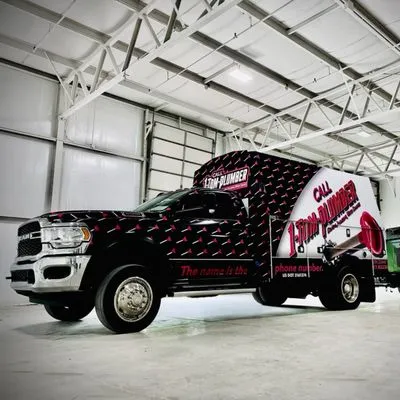
1-Tom-Plumber
1-Tom-Plumber is a trusted, locally-owned plumbing service dedicated to Johnstown, PA, and the surrounding communities. Available 24 hours a day, we provide reliable residential and commercial plumbin...
Progressive Homecare Solutions is your local handyman team in Martinsburg, dedicated to keeping homes safe, functional, and well-maintained. We understand the unique needs of our community, from seaso...
Benamati Plumbing and Heating
Benamati Plumbing and Heating is a locally-owned and operated company serving Hollidaysburg and the surrounding communities. For years, we've been the trusted choice for comprehensive plumbing and HVA...
Riley
Founded in 1933 during the Great Depression by Charles D. Riley, Riley, Inc. is a family-owned plumbing and HVAC contractor that has served the Altoona community for over 90 years. What started as one...
Estimated Plumbing Costs in Ebensburg, PA
Q&A
Could the hilly land around my house be causing plumbing problems?
Absolutely. The slope of the land in this area puts constant, uneven stress on the main sewer line running from your home to the street. Over decades, this can cause the pipe to sag or develop bellys where waste collects, leading to chronic blockages. Soil shifting around foundations, common near the courthouse hill, can also shear old service lines. We use a camera to inspect the line's pitch and integrity when diagnosing recurring drain issues.
Is there a difference between plumbing for a home in town versus a more rural part of Cambria County?
The core systems differ. Within Ebensburg Borough, you're on municipal water and sewer, so issues often relate to service line pressure, main line blockages, or compliance with borough code for repairs. Outside town, well and septic systems are the focus. That involves maintaining pump pressure, treating for iron common in our groundwater, and ensuring the septic field is not compromised by the area's dense clay soils or improper drainage.
How fast can a plumber get to my home in Ebensburg for an emergency?
For calls in the borough, our typical dispatch route starts near the Cambria County Courthouse. Heading out on US-22 gives direct access to most neighborhoods. From dispatch to your door is usually a 20 to 30 minute drive. We prioritize emergencies and keep our trucks stocked for the common failures we see with the older infrastructure here, so we can start work immediately upon arrival.
Do I need a permit to replace my water heater or re-pipe my house in Ebensburg?
Yes, most major plumbing work requires permits from Ebensburg Borough Code Enforcement and must be inspected. As a licensed Master Plumber registered with the Pennsylvania Department of Labor and Industry, I handle pulling those permits and scheduling all required inspections. This ensures the work meets current state and local codes for safety and insurance purposes. You won't have to navigate the red tape; we manage it as part of the job.
What's the most common plumbing repair you do on older Ebensburg homes?
Complete galvanized steel line replacement. After 70-plus years, the pipe walls thin from internal rust and scale, leading to pinhole leaks, especially at the threaded joints. These joints calcify and lose their seal. You cannot effectively patch a systemic failure; the entire supply line must be updated to modern materials like copper or PEX to restore reliable pressure and stop the leaks.
Does Ebensburg's hard water damage my water heater?
Yes, the mineral content from the Ebensburg Reservoir accelerates scale buildup. Inside your water heater, this scale acts as an insulator on the heating element or gas burner, forcing it to work harder and fail prematurely. It also settles in the tank's bottom, trapping sediment that causes noise and reduces efficiency. An annual flush of the tank is critical here to manage the scale and extend the unit's life by several years.
Our house in Downtown Ebensburg was built around 1953. Should I be worried about the plumbing?
Plumbing from 1953 means your galvanized steel pipes are now 73 years old, which is well beyond their functional lifespan. You are likely already seeing symptoms like severely restricted water flow, persistent low pressure, and discolored, rusty water at the taps. This corrosion is systemic and the pipes are actively failing. We replace these lines routinely in homes around the courthouse, as waiting often leads to a full pipe collapse and a much larger repair.
What's the most important thing to do for my pipes before winter in Ebensburg?
Disconnect and drain your exterior garden hoses before the first hard freeze. A hose bib that freezes and splits is the most common winter call we get. With our average lows around 16 degrees in the Snow Belt, any water left in an exterior line will expand. A pro-tip is to locate and confirm the operation of your main water shut-off valve now, so you can stop the flow quickly if a pipe bursts during a spring thaw.
