Top Emergency Plumbers in Eaton Township, PA, 18657 | Compare & Call

There are 100 plumbing companies server in Eaton Township PA
My journey in hands-on repair started young, right in the basement of my childhood home. At age eleven, I found some wire and an outlet on my dad's workbench and decided to install it myself. I manage...
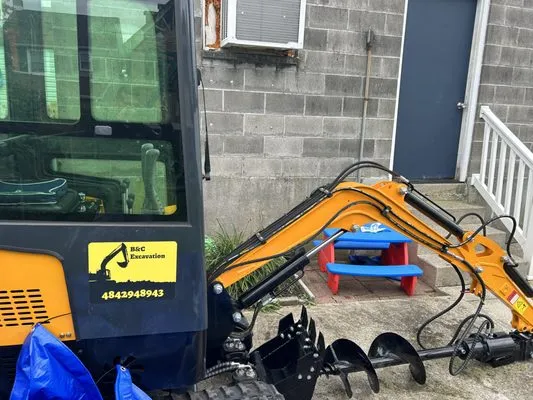
B&C Excavation is a family-owned and operated business proudly serving Allentown and the Lehigh Valley. Our foundation is built on over 20 years of combined experience, including 8 years of service wi...
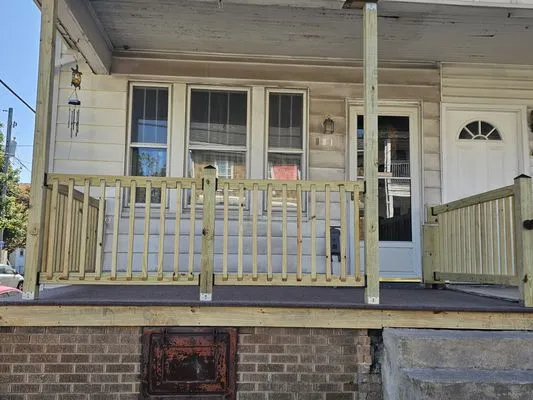
Lynn's Handyman Services is a trusted local provider in Tamaqua, PA, offering comprehensive home repair and maintenance solutions. With expertise spanning appliance installation and repair, plumbing, ...
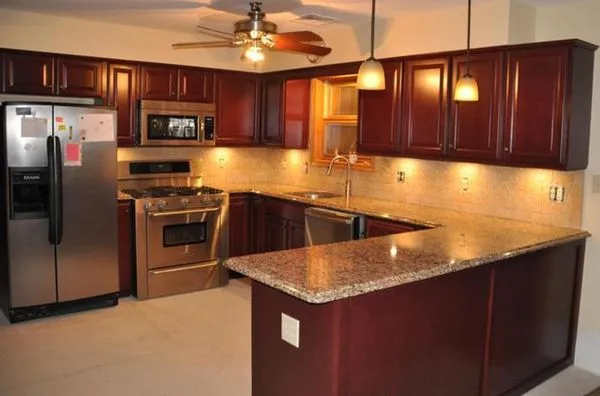
Agosto Plumbing & Remodeling
For over 20 years, Agosto Plumbing & Remodeling has been the trusted local choice for Lehighton residents and surrounding counties. We specialize in comprehensive residential plumbing and remodeling, ...
Ray's Heating & Plumbing
Ray's Heating & Plumbing has been serving Weatherly, PA, since 1995, with Ray Pillonato bringing over 40 years of hands-on experience to every job. Specializing in both plumbing and HVAC services, the...
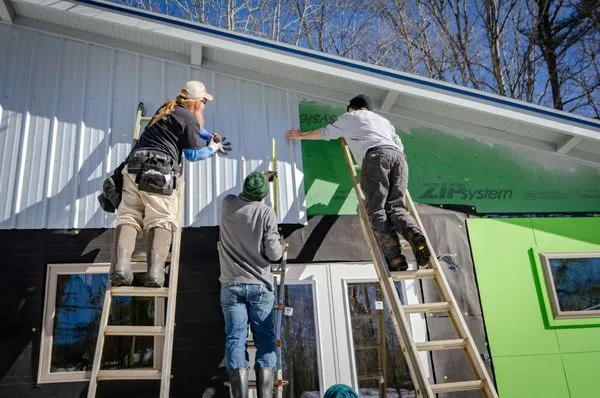
Knights For Christ is a faith-based remodeling and construction company serving the Freeland, PA community. We provide a comprehensive range of home improvement services, from kitchen and bathroom ren...
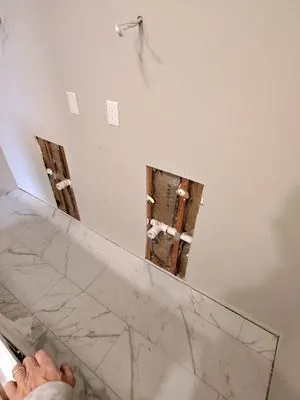
M&E Hvac Plumbing Solution's
M&E HVAC Plumbing Solutions is a Scranton-based family business built on a simple, powerful idea: a comfortable, safe home should also be a responsible one. Founded by Mike, a recently married father ...
Bill The Plumber is a trusted, veteran-owned plumbing and HVAC service based in Clarks Summit, PA, serving homeowners and businesses throughout Lackawanna, Luzerne, and Wyoming Counties since 2020. We...
Founded by a veteran plumber with over a decade of experience, NEPA Plumbing Solutions was born from a desire to build a different kind of company—one that values fairness for both its team and its cu...
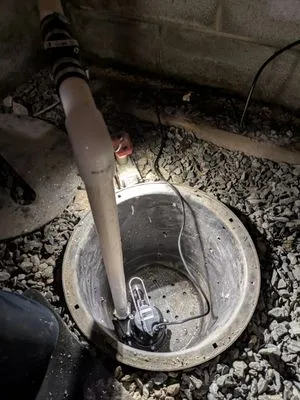
Drain-Flo is your trusted local plumbing partner in Duryea, PA. We specialize in thorough plumbing inspections to identify and resolve the common issues many area homeowners face, such as pipe joint l...
Estimated Plumbing Costs in Eaton Township, PA
Common Questions
Could the hilly land near the Susquehanna River be affecting my main sewer line?
The slope of your property definitely stresses the main drain line. Over decades, the constant gravitational pull and soil shifting on hills can cause sections of cast iron or clay pipe to settle or separate at the joints. This creates low spots where waste collects and leads to recurrent clogs. During heavy rains, saturated soil from the river basin can also infiltrate these compromised joints, causing a basement to back up with storm water.
Does having a private well cause problems for my water heater or faucets?
Yes, private wells typically pull hard water with high mineral content. That scale builds up inside water heater tanks and on faucet aerators. Over time, scale acts as an insulator in the heater, making it work harder and fail sooner. You will notice reduced flow at fixtures and possibly a rumbling sound from the heater. Installing a whole-house water softener or a scale inhibition system at the pressure tank is the standard recommendation to protect your appliances.
What's the most common plumbing repair for a house built in the 1970s around here?
The most frequent call is for pinhole leaks in copper lines, especially in hot water lines. After 50 years, the protective mineral layer inside the pipe wears thin, and the hard water accelerates erosion. We also see calcified joints where the old solder has become brittle and failed. Repair often involves cutting out the corroded section and installing a new copper or PEX segment with proper dielectric unions to prevent future galvanic corrosion.
Who handles the permits if I need to replace my water heater or repipe my house?
Eaton Township Building Code Department issues the local permits, and all work must comply with the Pennsylvania Uniform Construction Code under the Department of Labor and Industry. As a master plumber licensed by the state, I pull those permits, schedule the required inspections, and ensure the work passes code. My credential means I handle that red tape so you do not have to navigate the township office or state regulations yourself.
How long does it take for a plumber to get here in an emergency?
Heading past the Susquehanna River on US-6 gets me into your neighborhood. From my shop, a typical dispatch to the Tunkhannock Fringe takes 45 to 60 minutes depending on traffic and the specific turn-offs onto your rural road. I plan for that transit and keep common parts for older copper systems on the truck to minimize a second trip.
What's one thing I should do every spring to avoid a plumbing disaster?
Before the spring thaw hits its peak, make a visual check of any exposed plumbing in your basement or crawlspace. Look for condensation or minor drips that may have gone unnoticed over the winter. The freeze-thaw cycle can widen small cracks. Also, ensure your sump pump discharge line is clear of debris and directs water well away from your foundation. A few minutes of inspection in March can prevent a major leak in April.
Why are so many homes in our area getting plumbing leaks all of a sudden?
Homes in Eaton Township and the Tunkhannock Fringe were generally plumbed with copper around 1974. That puts the plumbing at 52 years old. This is the age where the original solder at the joints and the copper itself begin to fail from decades of water flow and the area's hard water. You are likely seeing pinhole leaks, green corrosion spots on pipe fittings, and a slow drop in water pressure. It is a predictable lifecycle for the material.
Are there different plumbing concerns for a rural home with a well and septic system?
Absolutely. Your entire water and waste system is self-contained. A failing pressure tank or well pump means no water at all, not just low pressure. On the septic side, the drain field's health is critical; pouring chemicals down drains or using a garbage disposal excessively can clog the leach field. You must be mindful of what goes into the system, as there is no municipal sewer to take over the load if your tank fails.
