Top Emergency Plumbers in East Washington, PA, 15301 | Compare & Call

There are 120 plumbing companies server in East Washington PA
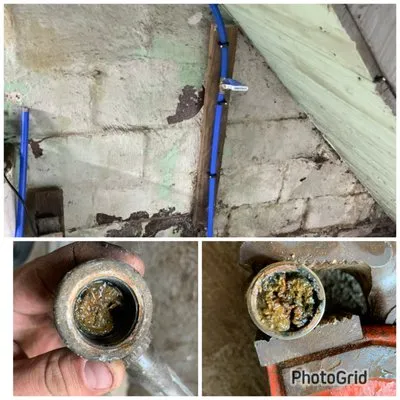
For over eight years, I've dedicated myself to the plumbing trade in the Upper Ohio Valley. What began as helping friends and neighbors with side jobs grew so consistently that by 2019, I made the dec...
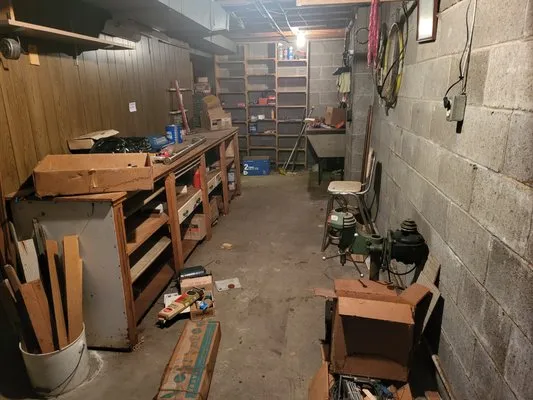
Savin Spaces Junk Removal LLC is a trusted, locally-owned company serving Wellsville, Ohio, and the surrounding communities. We specialize in two key areas that help homeowners and businesses reclaim ...
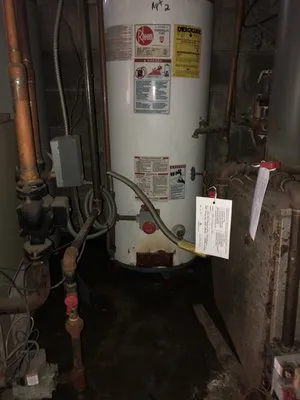
Affordable Budget Plumbing & Drain
Affordable Budget Plumbing & Drain is a trusted local plumbing service in Mingo Junction, OH, dedicated to providing reliable and cost-effective solutions for residential plumbing needs. We specialize...

All Service Home Maintenance in Dillonvale, OH, is your trusted local partner for residential and commercial property upkeep. We provide a comprehensive range of solutions, from electrical panel and c...

Hi, I'm Alex, known around Salem as 'Big Al.' For the past 15 years, I've been dedicated to providing reliable plumbing services to my neighbors, handling everything from a simple faucet repair to a f...
Revelation Plumbing serves Pittsburgh homeowners with reliable, same-day plumbing solutions. We understand that plumbing emergencies like burst pipes or sewer backups can't wait, which is why we arriv...
1-Tom-Plumber is a trusted plumbing service in Tarentum, PA, offering comprehensive solutions for both residential and commercial clients. Available 24/7/365, we specialize in everything from routine ...
Metz Plumbing & Sewer Lining LLC is a family-owned plumbing service rooted in Canonsburg, PA, with over 20 years of industry experience. Founded by professionals who previously managed a large local c...
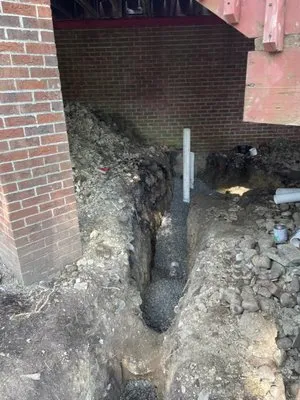
G Horvath Plumbing is a trusted, locally-owned plumbing service serving Pittsburgh and the surrounding communities. As a full-service plumbing contractor, they handle everything from routine repairs t...
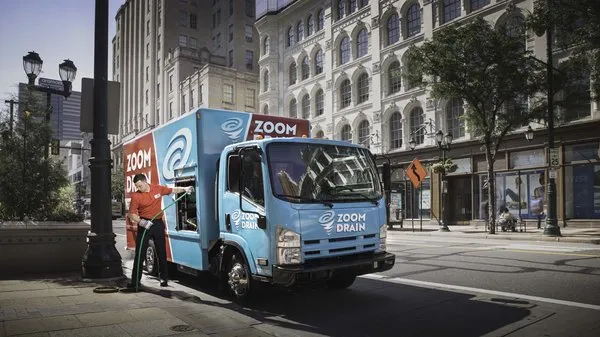
Zoom Drain of Pittsburgh is a locally owned and operated plumbing service founded by Pittsburgh native Mark Puzas. With deep roots in the community and a background in accounting and real estate, Puza...
Estimated Plumbing Costs in East Washington, PA
FAQs
Does our local water cause problems for water heaters and faucets?
Yes, the hard water from the Monongahela River has a direct impact. Minerals precipitate out as scale, which coats heating elements in your water heater, forcing it to work harder and fail sooner. Inside fixtures, scale clogs aerators and cartridges, reducing flow and causing premature wear. Installing a whole-house water softener is the most effective defense to protect your appliances and plumbing hardware.
My house in East Washington was built in the late 1930s. What can I expect from my plumbing?
Galvanized steel pipes installed around 1938 are now 88 years old. In homes throughout the East Washington Residential District, that means a very predictable failure. The zinc coating has worn away completely, and the bare steel inside corrodes and rusts shut. You are likely seeing a severe drop in water pressure, rusty brown water at the taps, or complete blockages. Replacement is not a matter of if, but when.
Who pulls permits for a repipe or water heater replacement in East Washington Borough?
I handle all required permits through the East Washington Borough Building Office and ensure the work meets Pennsylvania Department of Labor and Industry code. As a licensed master plumber, that's my responsibility. This means the inspection is scheduled and passed on your behalf, so you don't have to navigate the red tape. Proper permitting protects your home's value and your insurance coverage.
Why do my old pipes keep springing small leaks?
Galvanized steel from 1938 fails from the inside out. Scale buildup and rust create internal pressure, leading to pinhole leaks at the thinnest points. Joints, especially at threaded connections, are prone to calcification and can split. These are systemic failures of the material itself, not isolated problems. A single repair often just shifts the stress point to the next weak spot in the line.
As a homeowner here, what should I know about my connection to the town's system?
East Washington's municipal system provides good pressure, but the age of the connection is key. Your lateral line from the house to the main is your responsibility. In this suburban setting, tree roots seeking moisture are the primary threat to that older clay or cast iron pipe. A complete backup often starts with roots infiltrating a joint. Knowing where your cleanout is located saves critical time if a blockage occurs.
How quickly can a plumber get to my neighborhood in East Washington?
My dispatch route for calls in your area is direct. Heading past Washington Park onto I-70 gets me into the heart of the residential district in under 20 minutes. For most service calls, I aim for a 20-30 minute window from the time you call. Knowing the quick access from the interstate helps me plan an efficient arrival.
What's the most important plumbing maintenance before winter ends here?
Insulate any exposed pipes in unheated crawl spaces or garages before the 22-degree lows hit. The critical pro-tip for our temperate climate is to disconnect and drain your garden hoses before the spring thaw. Trapped water in a hose bib can freeze and crack the interior valve, leading to a major leak inside your wall when the ice finally melts.
Could the hilly land around Washington Park affect my sewer line?
The slope of the terrain absolutely stresses the main sewer line. Gravity works constantly on the pipe, and soil movement on hills can cause sections to sag or separate at the joints. This creates low spots where debris collects and leads to recurring blockages. For homes built on steeper grades, a video inspection of the lateral is the best way to check for this kind of settling.
