Top Emergency Plumbers in East Saint Clair, PA, 15521 | Compare & Call

There are 33 plumbing companies server in East Saint Clair PA
M&T Mechanical Services
M&T Mechanical Services is your local Mount Union expert for plumbing and electrical repairs and installations. Serving our community, we specialize in addressing common regional problems like frozen ...

Aqua-Tech Plumbing is a trusted plumbing service based in Portage, PA, dedicated to providing reliable solutions for residential and commercial plumbing needs. We specialize in water heater installati...
Rabenstein Heating, Air Conditioning & Plumbing
Rabenstein Heating, Air Conditioning & Plumbing is a trusted local provider serving Williamsburg, PA, and surrounding Blair, Huntingdon, Northern Bedford, and Southern Centre Counties. Established in ...
FlowRight Plumbing & Drain Cleaning is a trusted, family-owned plumbing service based in Everett, PA, proudly serving Bedford, Blair, and Centre County for over 42 years. Our team brings the right too...
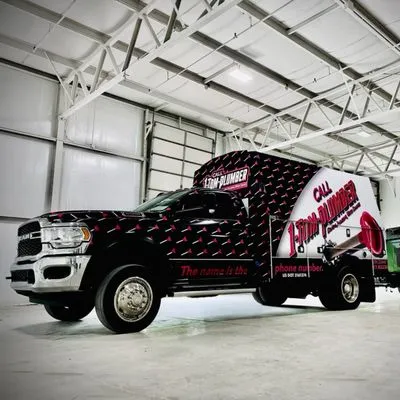
1-Tom-Plumber
1-Tom-Plumber is a trusted, locally-owned plumbing service dedicated to Johnstown, PA, and the surrounding communities. Available 24 hours a day, we provide reliable residential and commercial plumbin...
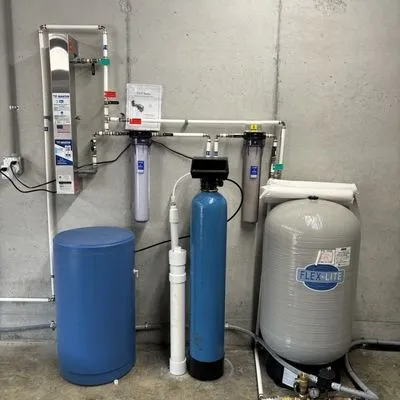
Progressive Homecare Solutions is your local handyman team in Martinsburg, dedicated to keeping homes safe, functional, and well-maintained. We understand the unique needs of our community, from seaso...

Kuhl's Powerhouse Plumbing & Remodeling is Everett, PA's trusted local plumbing and remodeling expert, serving homeowners with reliable, professional solutions. Many Everett homes face common plumbing...
Kimmen Plumbing & Heating
Kimmen Plumbing & Heating is a family-owned and operated business that has served Altoona and the surrounding communities since 1990. The company's roots go back even further to 1976, when founder Cha...
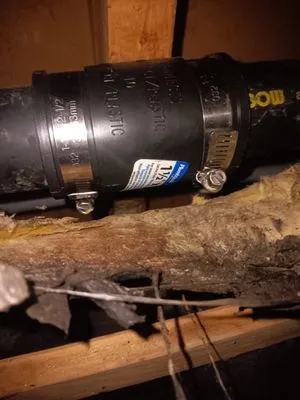
Benamati Plumbing and Heating
Benamati Plumbing and Heating is a locally-owned and operated company serving Hollidaysburg and the surrounding communities. For years, we've been the trusted choice for comprehensive plumbing and HVA...

For over 20 years, Old Glory Plumbing has been the trusted local plumbing expert for Bedford County. As a family-owned and operated business led by a Licensed Master Plumber, we bring two decades of r...
Estimated Plumbing Costs in East Saint Clair, PA
Common Questions
Are there special plumbing concerns for a more rural area like East Saint Clair?
Homes here often rely on private wells and septic systems, not just municipal lines. That means maintaining the pressure tank, well pump, and the entire septic field is part of home plumbing. A sudden pressure loss or soggy ground near the drain field usually points to these private system components, which require a different diagnostic approach than a clog in a city sewer.
Who handles the permits for a plumbing job in St. Clair Borough?
The St. Clair Borough Building Department issues local permits, and all work must meet Pennsylvania Department of Labor and Industry code. As a licensed master plumber, I pull those permits and schedule the required inspections. My credentials mean I handle that red tape so you don’t have to navigate it yourself, ensuring the work is documented and legal for your home’s records.
Can the hilly land around here cause plumbing problems?
The slope in areas like St. Clair Historic District directly affects your drainage. For sanitary lines, gravity is your friend, but a steep grade can put extra stress on the main sewer line where it exits your home, leading to joint separation over time. For water supply, the elevation changes can create air locks or uneven pressure if the system wasn’t originally vented correctly for the hill.
How fast can a plumber get to my house in East Saint Clair?
A typical dispatch route heads past the St. Clair Historic District onto PA-61. Depending on traffic and your exact location off the main corridor, it’s usually a 40 to 50 minute drive. We plan for that transit time, so when you call with an emergency, we’re already moving while we get your details.
Why do my copper pipes keep springing pinhole leaks?
Copper pipes installed around 1968 are prone to pinhole leaks due to age and water chemistry. The internal wall thins from decades of water flow and mineral interaction, creating weak spots that fail under pressure. This calcification at the joints also makes them brittle, so a simple pressure surge can cause a leak at a fitting you didn’t even know was stressed.
Does hard water from the Schuylkill River damage my plumbing?
Yes, the hard water common here leads to significant scale buildup. Inside your water heater, this mineral layer acts as an insulator, forcing the unit to work harder and burn out its elements prematurely. On faucet cartridges and shower valves, the scale gradually restricts flow and causes controls to stick or leak.
How old are the water pipes in my East Saint Clair house and what should I expect?
Your home’s copper plumbing is about 58 years old now. In St. Clair Heights, we’re seeing a lot of homes from that late-60s build date start to show failures. The copper is thinning in spots, and you’ll often notice small, persistent leaks at soldered joints or a drop in water pressure before a major failure happens. It’s the predictable lifecycle of that generation of pipe.
What’s the best way to prevent frozen pipes in a Pennsylvania winter?
Our 20-degree lows mean any pipe in an uninsulated crawl space or against an exterior wall is at risk. The key pro-tip for our temperate climate is to drain and shut off your exterior hose bibs in late fall, before the first hard freeze. During a spring thaw, check for leaks in basements or low points as ice in the lines melts and exposes any cracks it created.
