Top Emergency Plumbers in East McKeesport, PA, 15035 | Compare & Call

There are 223 plumbing companies server in East Mckeesport PA
Ricket's Construction serves Thompson, OH, with a dual focus on commercial and residential property maintenance and improvement. While we specialize in commercial maintenance—including lawn care, faci...
Affordable Budget Plumbing & Drain
Affordable Budget Plumbing & Drain is a trusted local plumbing service in Mingo Junction, OH, dedicated to providing reliable and cost-effective solutions for residential plumbing needs. We specialize...
Revelation Plumbing serves Pittsburgh homeowners with reliable, same-day plumbing solutions. We understand that plumbing emergencies like burst pipes or sewer backups can't wait, which is why we arriv...
1-Tom-Plumber is a trusted plumbing service in Tarentum, PA, offering comprehensive solutions for both residential and commercial clients. Available 24/7/365, we specialize in everything from routine ...
Metz Plumbing & Sewer Lining LLC is a family-owned plumbing service rooted in Canonsburg, PA, with over 20 years of industry experience. Founded by professionals who previously managed a large local c...

Knight & Day Plumbing
Knight & Day Plumbing is a trusted, full-service plumbing company serving Pittsburgh, PA, and the surrounding communities. We specialize in addressing the unique plumbing challenges of the Steel City,...
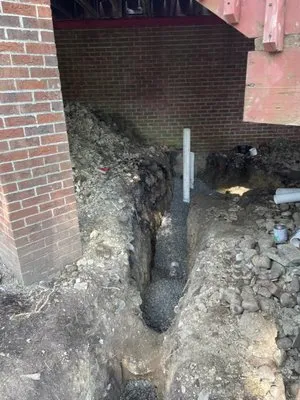
G Horvath Plumbing is a trusted, locally-owned plumbing service serving Pittsburgh and the surrounding communities. As a full-service plumbing contractor, they handle everything from routine repairs t...
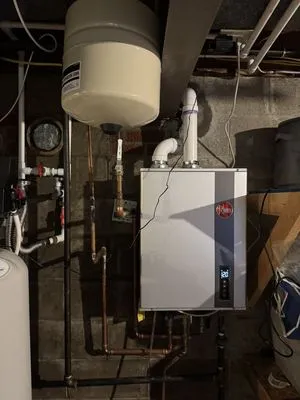
412 Handyman Solutions is a trusted local handyman service in Saxonburg, PA, with over 25 years of construction experience. We specialize in a wide range of home improvement services, including plumbi...
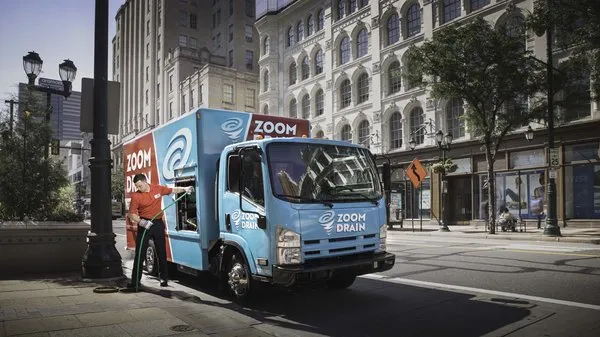
Zoom Drain of Pittsburgh is a locally owned and operated plumbing service founded by Pittsburgh native Mark Puzas. With deep roots in the community and a background in accounting and real estate, Puza...
Kaleb's Kustom Plumbing is a veteran-owned company serving Pittsburgh, founded in 2023 on principles of integrity, honesty, and respect. As a proud Air Force veteran, husband, and father of four, owne...
Estimated Plumbing Costs in East McKeesport, PA
Frequently Asked Questions
Could the hilly land around here cause plumbing problems?
The sloping terrain in East McKeesport Borough can stress the main sewer lateral running from your home to the municipal line. Over time, ground settlement on a hill can cause pipes to sag or develop bellies that collect waste and lead to blockages. Proper drainage away from your foundation is also critical to prevent water from following the hill's slope into your basement.
Does our local water from the Monongahela River damage appliances?
The mineral content in the river contributes to the area's hard water. This causes significant scale buildup inside water heaters, reducing efficiency and shortening their lifespan. You will also see scale clogging aerators on faucets and showerheads. Installing a whole-house water softener is the most effective defense for protecting your water heater and fixtures.
My house in East McKeesport was built in the 1950s. Should I be worried about the plumbing?
Homes built around 1953 have galvanized steel pipes that are now over 70 years old. This lifespan means the interior zinc lining has eroded away, leaving the raw steel exposed to rust and mineral buildup. East McKeesport Borough residents are seeing severely restricted water flow and persistent rust-colored water at their taps. Complete pipe blockages and wall leaks behind fixtures are the common failure points we address now.
Do I need a permit to replace my water heater or repipe my house?
Yes, the East McKeesport Borough Building Department requires permits for such work to ensure it meets current code. As a master plumber licensed with the Pennsylvania Department of Labor and Industry, I pull all necessary permits, schedule inspections, and handle the red tape so you don't have to. This protects your investment and ensures the work is documented for future homeowners.
How fast can a plumber get to East McKeesport for an emergency?
My typical dispatch route has me heading past the Monongahela River on I-376 directly into the borough. Barring major traffic, I can usually be on-site in 20 to 30 minutes from receiving the call. Knowing the local streets and hills helps avoid delays once I exit the interstate.
As a suburban homeowner, what are my main plumbing concerns?
Your primary concerns are the aging infrastructure within your property lines and the lateral connection to the borough's main. Tree roots seeking water are a constant threat to older sewer lines. Municipal water pressure is generally stable, but pressure-reducing valves can fail, and the age of your internal galvanized pipes remains the largest variable for leaks and flow issues.
What's the best way to prepare my plumbing for a Pittsburgh winter?
Our temperate climate still sees lows around 21°F, and the spring thaw creates its own issues. Before winter, disconnect and drain all outdoor hoses. Insulate pipes in unheated crawl spaces or against exterior walls. A key pro-tip is to know the location of your main water shut-off valve before a deep freeze hits, as a burst pipe requires immediate action.
Why do my pipes keep springing pinhole leaks?
Galvanized steel from 1953 fails from the inside out. Decades of hard water scaling and internal rust create weak spots where the pipe wall thins. Pressure fluctuations, common with municipal supply, then cause these thin spots to perforate. The leaks often appear first at threaded joints or in horizontal runs where sediment and corrosion accumulate.
