Top Emergency Plumbers in East Lackawannock, PA, 16137 | Compare & Call

There are 148 plumbing companies server in East Lackawannock PA
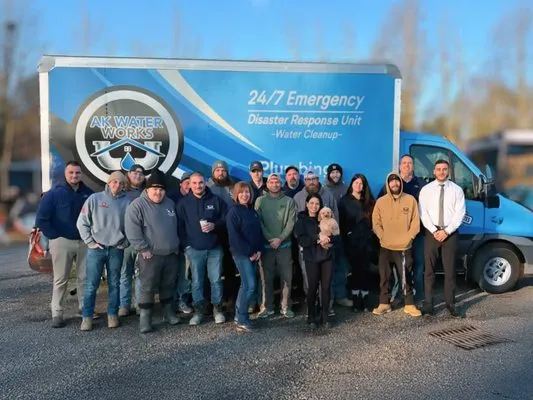
AK Water Works Plumbing & Drain
AK Water Works Plumbing & Drain is a family-owned, locally-operated plumbing company dedicated to serving Warren, OH, and the surrounding communities. We understand that plumbing problems are more tha...

1-800-Plumber +Air in Boardman, OH, is a locally and family-owned service provider dedicated to being the best for the Youngstown area. Our focus is on delivering fast, dependable plumbing and HVAC se...

Mr. Rooter Plumbing of Youngstown
Mr. Rooter Plumbing of Youngstown is a locally owned and operated plumbing service founded in 2000 by Master Plumber Robert Beall. Relocating his family to the area, Robert brings a lifetime of plumbi...
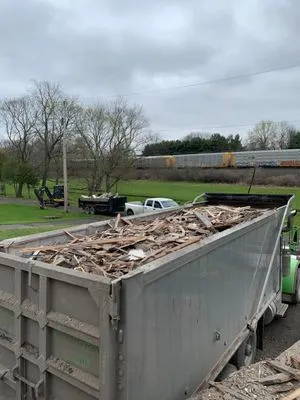
Whalen Enterprise LLC in Rogers, OH, was founded by a professional with deep roots in pipeline and excavation work, driven by a passion for tackling diverse projects. This foundation expanded naturall...

At Hydro-Flow Plumbing & Drain in Warren, OH, we understand that plumbing issues demand a swift and reliable response. With over three decades of dedicated service in North East Ohio and Western Penns...

JB's Installation Service has been a trusted name in Struthers and the greater Youngstown area for over two decades. With around 20 years of experience, we specialize in the efficient installation and...
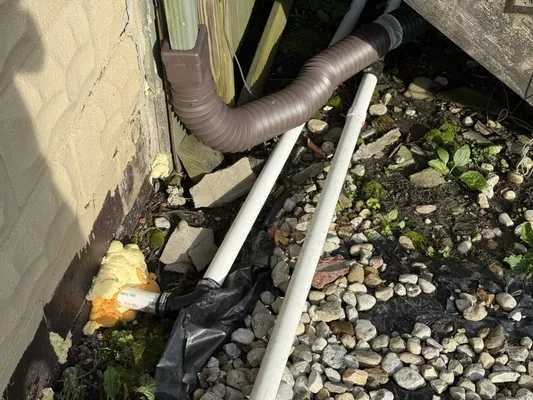
AB Drain and Construction
AB Drain and Construction is a locally owned and operated business with deep roots in the Boardman community. Founded by a father and now continued by his son, the company is built on a legacy of trus...

Drain Fly is a local, veteran, family-owned plumbing business serving Niles, OH, and surrounding Trumbull County communities. Founded by natives of the area, we bring deep roots and a genuine commitme...
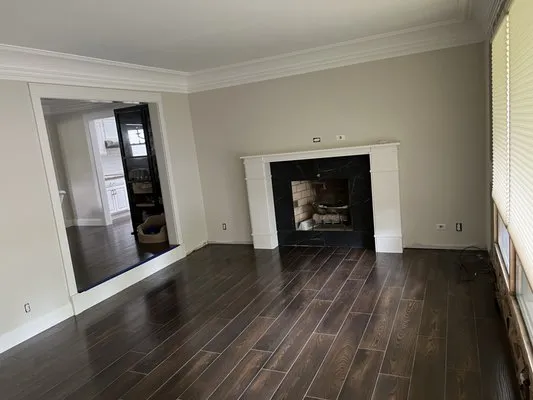
LCT Solutions is a trusted home services provider based in Poland, OH, with 18 years of experience delivering quality craftsmanship for remodeling and renovation projects. We specialize in kitchen and...
Ricket's Construction serves Thompson, OH, with a dual focus on commercial and residential property maintenance and improvement. While we specialize in commercial maintenance—including lawn care, faci...
Estimated Plumbing Costs in East Lackawannock, PA
Questions and Answers
Are there special considerations for plumbing in rural East Lackawannock homes?
Rural properties here typically have private wells and septic systems rather than municipal connections. Well pumps and pressure tanks require regular maintenance, and hard water from local aquifers accelerates scale buildup. Septic systems need careful monitoring since replacement costs are substantial. Water quality testing becomes your responsibility, and you should check for sulfur odors or sediment that indicate well issues. Keep septic records accessible for pumping schedules.
Who handles permits for plumbing work in East Lackawannock Township?
I coordinate directly with the East Lackawannock Township Building Department for all required permits and inspections. As a licensed master plumber certified by the Pennsylvania Department of Labor and Industry, I ensure installations meet current code standards for safety and efficiency. This includes pressure testing, proper venting, and backflow prevention where needed. Homeowners avoid the paperwork burden while knowing the work complies with all local and state regulations.
How quickly can a plumber reach my home in East Lackawannock?
Heading past Mercer County Courthouse on I-79, I can typically reach most East Lackawannock addresses within 20-30 minutes. The route follows I-79 north from Mercer, then takes local roads through the township. Traffic around the courthouse area during business hours might add a few minutes, but emergency calls get priority routing. I keep my truck stocked for common copper pipe repairs to minimize return trips.
What should I do to prepare my plumbing for Mercer County winters?
With temperatures dropping to 19°F and spring thaw creating pressure surges, insulate exposed pipes in crawl spaces and along exterior walls before November. Drain and shut off outdoor spigots completely, don't just close the valve. During thaw cycles, check for new drips or moisture around pipe joints as expanding ice can weaken old connections. Keep cabinet doors open on cold nights to allow warm air to circulate around sink plumbing.
How old are the copper pipes in East Lackawannock homes and what should I expect?
Copper plumbing in this area was installed around 1974, making it 52 years old in 2026. At this age, homeowners in Mercer often notice reduced water pressure and occasional discoloration in their water. The copper has likely developed thin spots from decades of water flow, and you might see small green stains around pipe joints indicating early corrosion. Many systems from this era are approaching the end of their functional lifespan and require careful monitoring.
Does Shenango River water cause problems for home plumbing systems?
Water sourced from the Shenango River contains higher mineral content that leads to hard water scaling. This scale buildup reduces flow in pipes by up to 30% over time and coats water heater elements, forcing them to work harder and fail sooner. Fixtures develop reduced pressure and faucet cartridges wear out faster. Installing a whole-house water softener can significantly extend the life of your plumbing components and improve appliance efficiency.
Does the hilly terrain around Mercer affect my home's drainage system?
The sloping landscape around Mercer County Courthouse creates several drainage challenges. Downhill properties experience increased hydrostatic pressure on foundation drains and sewer lines, while uphill homes deal with sediment accumulation in low points. Main sewer lines running along slopes can develop stress cracks from soil movement, and downspout drainage must be directed carefully to prevent basement flooding. Proper grading around your foundation is more critical here than in flat areas.
Why do my 1970s copper pipes keep springing pinhole leaks?
Copper pipes installed in 1974 have experienced 52 years of water chemistry interactions and pressure cycles. Pinhole leaks typically develop where mineral scale has created localized corrosion cells inside the pipe walls. The thin copper from that manufacturing era becomes vulnerable at joints and bends where water turbulence accelerates wear. These failures often cluster in hot water lines first due to thermal expansion stresses on the aged metal.
