Top Emergency Plumbers in East Deer Township, PA, 15030 | Compare & Call

East Deer Township Emergency Plumbers
Phone : (888) 860-0649
There are 238 plumbing companies server in East Deer Township PA
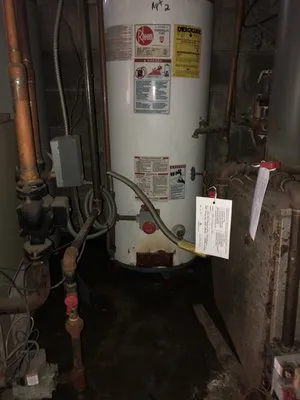
Affordable Budget Plumbing & Drain
Affordable Budget Plumbing & Drain is a trusted local plumbing service in Mingo Junction, OH, dedicated to providing reliable and cost-effective solutions for residential plumbing needs. We specialize...
Revelation Plumbing serves Pittsburgh homeowners with reliable, same-day plumbing solutions. We understand that plumbing emergencies like burst pipes or sewer backups can't wait, which is why we arriv...
1-Tom-Plumber is a trusted plumbing service in Tarentum, PA, offering comprehensive solutions for both residential and commercial clients. Available 24/7/365, we specialize in everything from routine ...
Metz Plumbing & Sewer Lining LLC is a family-owned plumbing service rooted in Canonsburg, PA, with over 20 years of industry experience. Founded by professionals who previously managed a large local c...

Knight & Day Plumbing
Knight & Day Plumbing is a trusted, full-service plumbing company serving Pittsburgh, PA, and the surrounding communities. We specialize in addressing the unique plumbing challenges of the Steel City,...
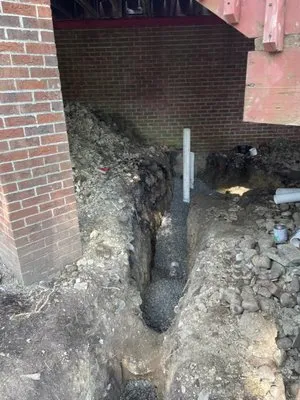
G Horvath Plumbing is a trusted, locally-owned plumbing service serving Pittsburgh and the surrounding communities. As a full-service plumbing contractor, they handle everything from routine repairs t...
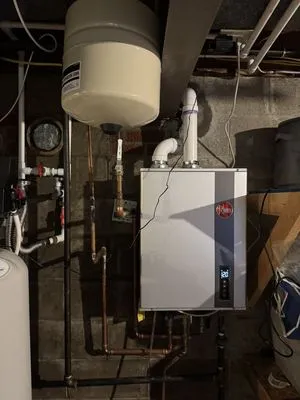
412 Handyman Solutions is a trusted local handyman service in Saxonburg, PA, with over 25 years of construction experience. We specialize in a wide range of home improvement services, including plumbi...
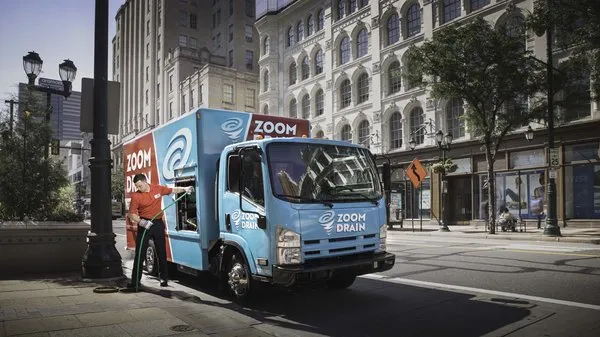
Zoom Drain of Pittsburgh is a locally owned and operated plumbing service founded by Pittsburgh native Mark Puzas. With deep roots in the community and a background in accounting and real estate, Puza...
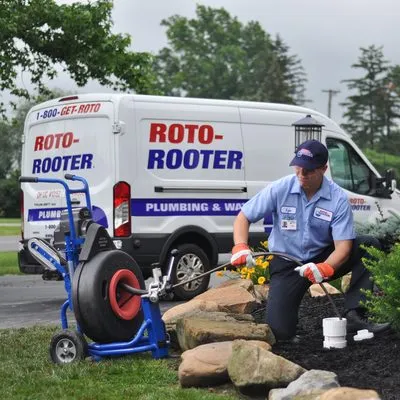
Roto-Rooter Plumbing & Water Cleanup
Roto-Rooter Plumbing & Water Cleanup provides essential plumbing and water damage restoration services for Pittsburgh, PA. Our local team is fully staffed and ready to assist homeowners and businesses...
Kaleb's Kustom Plumbing is a veteran-owned company serving Pittsburgh, founded in 2023 on principles of integrity, honesty, and respect. As a proud Air Force veteran, husband, and father of four, owne...
Estimated Plumbing Costs in East Deer Township, PA
Question Answers
Do I need permits for plumbing work in East Deer Township?
East Deer Township Zoning and Building Department requires permits for most plumbing modifications. As a Pennsylvania Department of Labor and Industry licensed master plumber, I handle the red tape so you don't have to. This includes submitting plans, scheduling inspections, and ensuring work meets current code. Proper documentation protects your home's value and prevents issues during future sales.
Why do my old pipes keep springing pinhole leaks?
Galvanized steel pipes from 1951 develop pinhole leaks due to internal corrosion and joint calcification. Oxygen in the water reacts with the zinc coating, then attacks the steel underneath. Threaded connections accumulate mineral deposits that create stress points. These leaks often appear in horizontal runs near fixtures where water sits, accelerating corrosion.
Could my home's hillside location cause drainage issues?
Hilly terrain around Deer Creek puts constant stress on main sewer lines. Gravity pulls soil downhill, gradually exposing or shifting pipes. Heavy rain washes soil away from buried lines, leaving them unsupported. Downspouts should direct water away from the foundation, not toward the sewer lateral. Proper grading prevents surface water from overwhelming drainage systems during storms.
My house in Creighton was built around 1951 - should I be worried about the plumbing?
Galvanized steel pipes installed in 1951 are now 75 years old. Homeowners in Creighton are seeing rust-colored water, reduced water pressure, and frequent leaks at threaded joints. The steel corrodes from the inside out, leaving mineral deposits that restrict flow. At this age, complete pipe failure becomes likely, especially behind walls where damage goes unnoticed until it causes structural issues.
How quickly can a plumber reach my home in East Deer Township?
Heading past Deer Creek on PA-28 gets me into most neighborhoods within 30-45 minutes. That route avoids Allegheny Valley Expressway congestion during peak hours. Local knowledge of back roads near the river helps when PA-28 has construction or accidents. I keep a truck stocked for common repairs so we can start work immediately upon arrival.
As a suburban homeowner, what should I know about my water pressure?
Municipal water pressure in East Deer Township typically runs 50-70 PSI, but hills create pressure variations throughout the system. Older galvanized pipes restrict flow even at adequate pressure. Tree roots seek moisture in sewer laterals, causing blockages that back up into basements. Pressure reducing valves protect older plumbing from surges, especially during fire hydrant testing or main breaks.
Does Allegheny River water damage water heaters?
Hard water from the Allegheny River causes scale buildup in water heaters and fixtures. Minerals like calcium carbonate accumulate on heating elements and tank interiors, reducing efficiency by 30% or more. Fixtures develop restricted flow from mineral deposits in aerators and valves. Anode rods in water heaters corrode faster here, requiring replacement every 3-4 years instead of the typical 5-6.
What should I do before spring thaw to prevent plumbing problems?
Before temperatures rise above freezing, check all exterior faucets and irrigation systems for freeze damage. Spring thaw at 21°F lows can reveal cracked pipes that held during deeper cold. Insulate pipes in unheated crawl spaces and garages where thaw cycles cause expansion and contraction. Test your main water shutoff valve now—many fail when first used after winter.
