Top Emergency Plumbers in Dyberry Township, PA, 18431 | Compare & Call

There are 119 plumbing companies server in Dyberry Township PA
My journey in hands-on repair started young, right in the basement of my childhood home. At age eleven, I found some wire and an outlet on my dad's workbench and decided to install it myself. I manage...
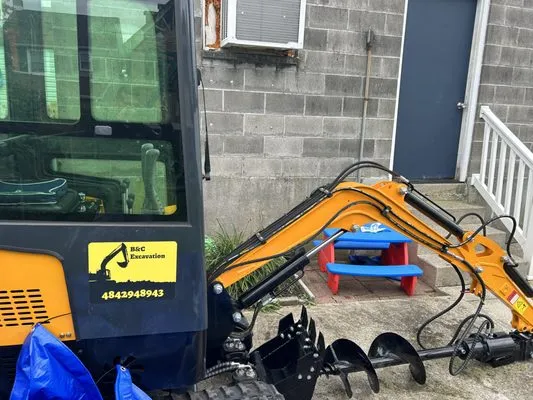
B&C Excavation is a family-owned and operated business proudly serving Allentown and the Lehigh Valley. Our foundation is built on over 20 years of combined experience, including 8 years of service wi...
WaterBoyz Backflow Testing and Repairs LLC is a trusted local plumbing service in Allentown, PA, specializing in backflow assembly testing, maintenance, and repairs. Our expert technicians ensure your...
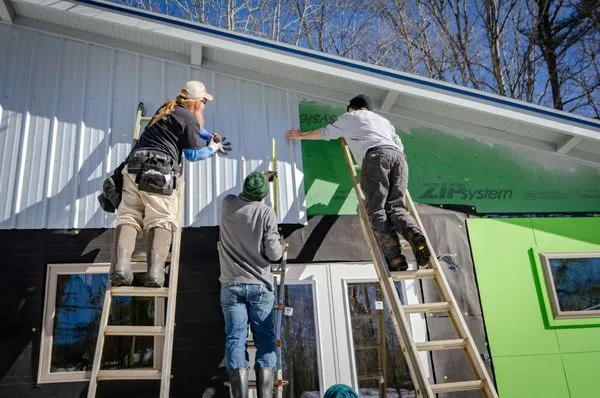
Knights For Christ is a faith-based remodeling and construction company serving the Freeland, PA community. We provide a comprehensive range of home improvement services, from kitchen and bathroom ren...
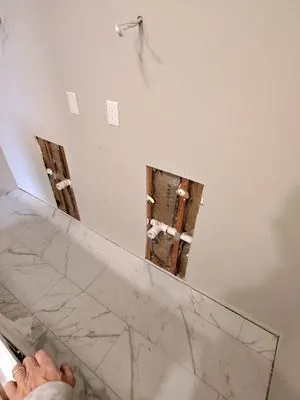
M&E Hvac Plumbing Solution's
M&E HVAC Plumbing Solutions is a Scranton-based family business built on a simple, powerful idea: a comfortable, safe home should also be a responsible one. Founded by Mike, a recently married father ...
Bill The Plumber is a trusted, veteran-owned plumbing and HVAC service based in Clarks Summit, PA, serving homeowners and businesses throughout Lackawanna, Luzerne, and Wyoming Counties since 2020. We...
Founded by a veteran plumber with over a decade of experience, NEPA Plumbing Solutions was born from a desire to build a different kind of company—one that values fairness for both its team and its cu...
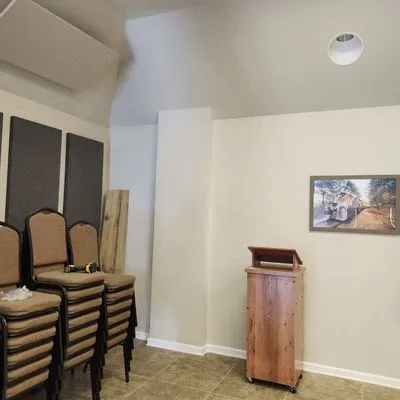
Billy Fix-It-All Handyman provides reliable home repair services for the Hawley community and surrounding counties. With over two decades of experience, we specialize in solving everyday household pro...
TE Spall & Son
T.E. Spall & Son is a family-owned and operated HVAC and plumbing service serving Carbondale and the wider Northeastern Pennsylvania community for over 30 years. Founded by Thomas E. Spall, who holds ...
Wayne J Pisanchyn Plumbing & Heating
Since 1991, Wayne J Pisanchyn Plumbing & Heating has been the trusted local choice for plumbing, heating, and air conditioning services in Clarks Summit and the surrounding areas. As a licensed and fu...
Estimated Plumbing Costs in Dyberry Township, PA
Common Questions
What should I do to prepare my plumbing for spring thaw?
Before spring thaw hits its peak, insulate exposed pipes in crawl spaces and check for cracks in foundation walls where freezing might occur. Drain outdoor spigots completely and shut off their interior valves to prevent backflow issues. Keep your thermostat at a consistent temperature overnight during late winter cold snaps, as our 14-degree lows can still cause freeze-ups even as daytime temperatures rise.
How does hilly terrain affect my home's drainage system?
The slopes around Dyberry Creek create drainage challenges that put stress on main sewer lines. Gravity pulls wastewater downhill rapidly, which can erode pipe joints over time, while uphill sections may develop slow drains from insufficient slope. Soil movement on hillsides can shift pipe alignment, causing cracks or separations that require specialized equipment to access and repair on steep grades.
How quickly can a plumber reach my home in Dyberry Township?
Heading past Dyberry Creek on US-6, our typical response time runs 45-60 minutes for most locations in the township. The route follows US-6 through the main corridors, then branches to residential roads. We maintain this schedule by keeping trucks stocked and monitoring traffic patterns, though severe weather or road work can add minutes during peak seasons.
Who handles permits and inspections for plumbing work in Wayne County?
I manage all required permits through Wayne County Building Code Enforcement and maintain current Pennsylvania Department of Labor and Industry credentials. This includes pressure tests, sewer line inspections, and well system modifications that need official approval. Handling this red tape ensures your project meets current codes without requiring homeowners to navigate complex regulatory processes themselves.
My copper pipes are from the 1970s - what should I expect as they age?
Copper pipes installed around 1974 are now 52 years old. In Dyberry Corners, homeowners are seeing increased pinhole leaks and joint failures as the original solder weakens. This aging copper often develops thin spots from decades of water flow, especially with our hard water conditions. Regular inspections can catch small leaks before they cause significant water damage to walls or foundations.
Does hard water from my well damage plumbing fixtures?
Hard water from private wells causes scale buildup that reduces water heater efficiency by 20-30% over time. Mineral deposits accumulate inside tanks and on heating elements, forcing them to work harder and shortening their lifespan. Fixtures like showerheads and faucet aerators clog with calcium deposits, reducing water pressure and requiring frequent cleaning or replacement.
Are there special considerations for plumbing in rural Dyberry Township?
Rural properties with private wells and septic systems require different maintenance than municipal water connections. Well pumps need regular pressure checks and sediment filter changes, while septic systems demand careful water usage management to avoid overloading drain fields. Backup generators for sump pumps become crucial during power outages, since rural areas often experience longer restoration times than developed neighborhoods.
Why do my 1970s copper pipes keep springing small leaks?
Copper pipes from that era often develop pinhole leaks due to electrolytic corrosion and scale buildup over five decades. The original flux used during installation can accelerate corrosion at joints, while our hard water deposits create uneven pressure points. These small leaks typically appear first near fittings or in horizontal runs where sediment settles, requiring targeted repair rather than full replacement in many cases.
