Top Emergency Plumbers in Durham Township, PA, 18039 | Compare & Call

There are 237 plumbing companies server in Durham Township PA
Plumbing Pals
Plumbing Pals is a family-owned and operated plumbing company serving Philadelphia and the surrounding communities. We specialize in drain cleaning, hydro jetting, and camera scope inspections, provid...
Rick Lucas Plumbing & Remodeling - Plumber in Bucks County
Rick Lucas Plumbing & Remodeling is a family-owned and operated plumbing service proudly serving Feasterville-Trevose and all of Bucks County. With over 35 years of hands-on experience and a master pl...
Goodman Plumbing
Goodman Plumbing has been a trusted name in Philadelphia, Bucks, and Montgomery Counties since 1956. As a second-generation, family-owned and operated business, we bring over six decades of local expe...
Pinnacle Plumbing
Pinnacle Plumbing is a family-owned and operated business serving Philadelphia with over 25 years of dedicated local experience. We understand that plumbing problems are more than just an inconvenienc...
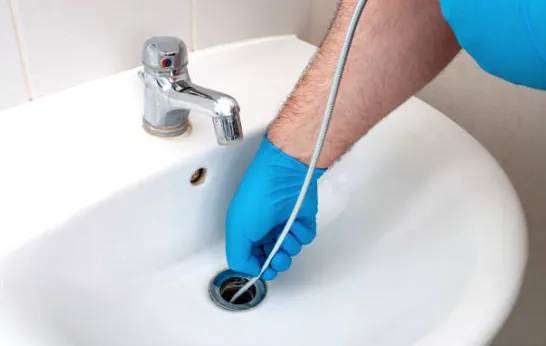
Facelift Remodelers & Plumbing Services
Facelift Remodelers & Plumbing Services is a Philadelphia-based plumbing company dedicated to providing reliable and transparent plumbing solutions for local homeowners. With expertise in water heater...
Zoom Drain in Plymouth Meeting, PA, is built on a legacy of family, hard work, and dedication to local service. Founded nearly three decades ago by Jim Criniti and his family, the business grew from a...
For over 12 years, Mr. Tubs Plumbing & Heating has been a trusted, family-owned business serving Cheltenham, PA, and the greater Philadelphia area. Founded and operated by a Master Plumber with a deep...
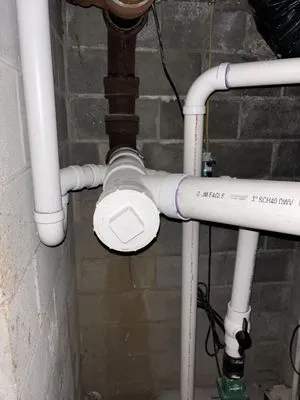
Clear Flow Drain Cleaning & Plumbing is a trusted local plumbing service based in Philadelphia, PA, dedicated to keeping homes and businesses running smoothly. We specialize in a comprehensive range o...
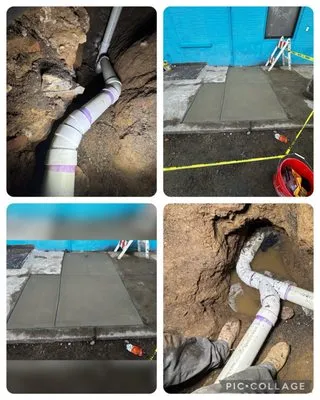
KCC Drain Services is a veteran-owned and operated plumbing business serving Philadelphia, PA, specializing in both residential and commercial plumbing and drain services. We offer a comprehensive ran...
Christian Heating & Air Conditioning
Christian Heating & Air Conditioning has been a trusted HVAC and plumbing provider in Southampton, PA, and surrounding Bucks and Montgomery Counties since 1989. Founded by Marco Giancroce, who brings ...
Estimated Plumbing Costs in Durham Township, PA
FAQs
Why are my Durham Township water pipes failing all of a sudden?
Your plumbing is likely original to the area's construction around 1961. That means the galvanized steel pipes are now 65 years old. At this age, the interior zinc coating has worn away, and the bare steel is rusting from the inside out. Homeowners in Durham Village are currently seeing the result: a sudden increase in low water pressure and rust-colored water from taps. This is the predictable end-of-life stage for that generation of pipe.
Does well water damage my home's plumbing?
Private wells here pull hard water, rich in minerals like calcium and magnesium. Over time, this causes heavy scale buildup inside pipes, water heaters, and fixtures. The scale drastically reduces flow and acts as an insulator in your water heater, forcing it to work harder and fail sooner. Installing and maintaining a proper whole-house water softener is not a luxury here; it's essential for protecting your hardware.
Can the hills around here cause plumbing problems?
Absolutely. The hilly terrain around Durham Furnace means many homes are built on slopes. This puts constant, uneven stress on the main water line coming in from the well and the main drain line going out to the septic. Over decades, this stress can lead to joint failure or bellies in the sewer line where waste collects and causes blockages. Proper grading for drainage away from the foundation is critical.
What causes those tiny leaks in my old pipes?
Galvanized steel from the early 1960s suffers from internal corrosion and scale buildup. This creates pinhole leaks, often where threaded joints have calcified or where the pipe wall is thinnest. The leaks usually start at the bottom of horizontal runs or at fittings. You'll often find the first signs in a basement or crawlspace, showing as a slow drip or mineral staining.
Do I need a permit to replace my water heater?
Yes, most plumbing work in Durham Township requires a permit from the Building and Zoning Department. The installation must also meet Pennsylvania Department of Labor and Industry code. As a licensed master plumber, I pull those permits, schedule the required inspections, and ensure the work passes code. I handle that red tape so you don't have to, and the paperwork is part of the job.
What's the most important spring plumbing tip for this area?
Watch for the spring thaw, typically our peak season for call-outs. When the ground saturated with ice melt shifts, it can stress underground pipes. A specific pro-tip is to check all exposed pipes in your basement or crawlspace for new drips or moisture in late March and April. Also, ensure your sump pump is operational before the heavy rains start, as it's your first defense against basement flooding.
How is rural plumbing different from city plumbing?
Rural systems are self-contained. You're responsible for the entire cycle, from the well pump and pressure tank to the septic field. There's no municipal water pressure to mask a failing well pump, and no city sewer to handle a slow drain. Issues like a failing pressure switch or a full septic tank are yours to manage. Maintenance on both ends of the system is more proactive than in a city setting.
How fast can a plumber get to my house in Durham Township?
We stage our trucks from the Durham Furnace area. Heading past Durham Furnace on PA-212 is the main route into the township's neighborhoods. For most calls, you can expect a service vehicle at your door in 45 to 60 minutes from dispatch, traffic on the two-lanes permitting. We know the back roads to keep that time as short as possible.
