Top Emergency Plumbers in Dunbar Township, PA, 15431 | Compare & Call

There are 236 plumbing companies server in Dunbar Township PA
Morgantown's Plumber is your trusted local plumbing expert serving Morgantown, WV, and the surrounding areas. We specialize in a comprehensive range of services, from faucet and toilet repairs to full...
PhD Plumbing is your trusted local plumbing expert serving Morgantown, WV, and the surrounding communities. We understand that Morgantown homeowners frequently face plumbing challenges like clogged ga...
With over three decades of dedicated service in the Morgantown area, David Mallek Plumbing is your local specialist for repairs and installations. I am a service and repair plumber who understands tha...
Appalachia Handyman Services
Appalachia Handyman Services has been serving the Rachel, WV community with reliable home improvement solutions for over two decades. Founded in 2016 after working alongside an experienced contractor ...
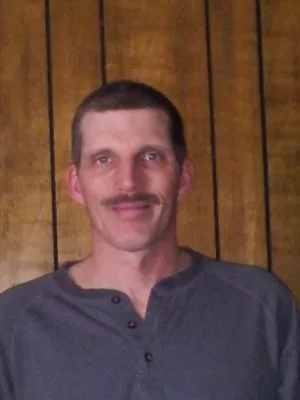
For over three decades, WV Plumbing & Drain Service has been the trusted local plumbing expert for homes and businesses across Morgantown and surrounding counties like Monongalia, Marion, Harrison, Tu...
Affordable Plumbing in Farmington, WV, is a trusted local plumbing service dedicated to helping homeowners and businesses with a wide range of plumbing needs. Serving the Farmington community, we spec...
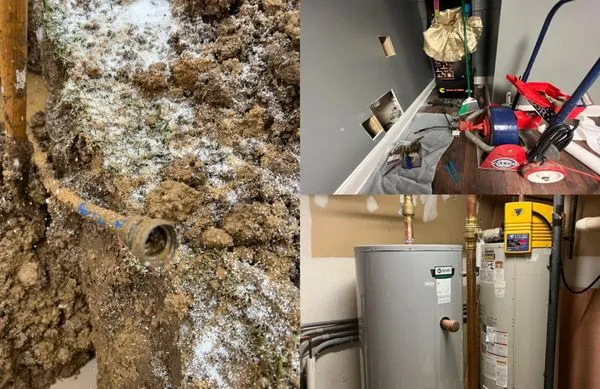
Tri-County Plumbing & Contracting is a trusted, locally-owned plumbing service dedicated to the residents and businesses of Morgantown, WV, and the surrounding tri-county area. Our mission is to provi...
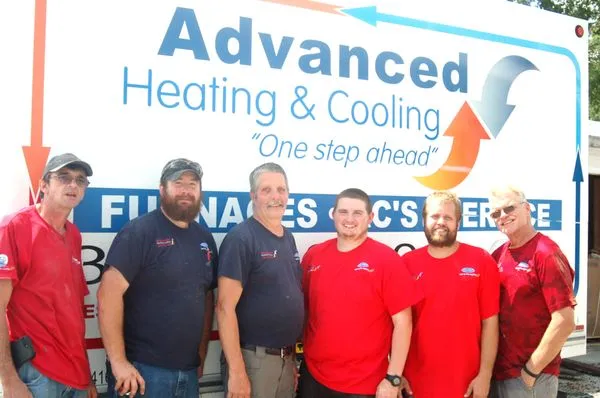
Advanced Heating & Cooling of Morgantown, WV
Advanced Heating & Cooling of Morgantown, WV has been a trusted provider of HVAC and plumbing services for the Morgantown community since 2000. As a Carrier Factory Authorized Dealer, we specialize in...
Speedway Appliance
Speedway Appliance has been a trusted name in Clarksburg since 2001, dedicated to providing affordable, guaranteed appliance solutions. We offer the largest local selection, including brand-new and re...
Motter & Services was founded in Morgantown, WV, on a simple principle: quality plumbing and construction work shouldn't require an unreasonable price. After seeing local homeowners overpay for basic ...
Estimated Plumbing Costs in Dunbar Township, PA
Question Answers
Does the hard water from the Youghiogheny River damage my appliances?
Yes. Water drawn from the Youghiogheny is mineral-rich, leading to significant scale buildup. Inside your water heater, this scale acts as an insulator, forcing the unit to work harder and shortening its life. On fixtures and aerators, it reduces flow and causes premature wear. Installing and maintaining a whole-house water softener is the most effective defense for your plumbing hardware.
Do I need a permit to replace my water heater in Dunbar Township?
Yes, most plumbing replacements require a permit from the Dunbar Township Building Code Office. As a Master Plumber licensed by the Pennsylvania Department of Labor and Industry, I pull all necessary permits for the work. This ensures the installation meets current code for safety and insurance purposes. Handling this red tape is a standard part of the job so you don't have to navigate it yourself.
My house in Rolling Hills was built in the 1950s. Should I be worried about the plumbing?
Your galvanized steel pipes are now 68 years old. Homeowners in Rolling Hills are seeing the expected failure of this material. The interior of the pipe corrodes and restricts flow, leading to low water pressure at multiple fixtures. Complete pipe blockages and sudden leaks behind walls are common at this stage. Proactive replacement is often more cost-effective than repeated emergency repairs.
Why do I keep getting pinhole leaks in my old pipes?
Galvanized steel installed around 1958 has a typical lifespan of 50-70 years. Internal corrosion eats away at the pipe wall unevenly, creating weak spots. These thin areas fail under normal water pressure, resulting in pinhole leaks. The problem often starts at threaded joints where the protective zinc coating was compromised during installation, accelerating rust and calcification.
Are there special plumbing considerations for a rural home like mine?
Rural properties here typically operate on private wells and septic systems, not municipal lines. This means water pressure is managed by a well pump and pressure tank, which require specific maintenance. Your septic system's health is directly tied to what goes down your drains. Avoiding chemical drain cleaners and being mindful of water usage are crucial for preventing costly septic field failures.
How long will it take for a plumber to get to Dunbar Township?
From our service area, a typical dispatch route heads past Ohiopyle State Park on US-119 into Dunbar Township. Traffic is usually light, but the winding, hilly roads dictate a safe driving pace. You can expect a service vehicle at your door within 45 to 60 minutes of your call for most non-emergency appointments.
What's the best way to prevent frozen pipes here in Dunbar's winters?
Our average winter low of 19°F, combined with the spring thaw cycle, makes unprotected pipes vulnerable. The key pro-tip is to disconnect and drain outdoor hoses before the first hard freeze. For crawl spaces or exterior walls, insulating any pipe runs is critical. Letting a faucet drip during sustained sub-freezing weather, especially ahead of a predicted thaw, relieves pressure that can cause a burst.
Could the hilly land around here be causing my drainage problems?
Absolutely. The steep slopes common around Ohiopyle and Dunbar Township put constant lateral stress on buried sewer mains and laterals. This stress can lead to bellied pipes or separated joints that collect debris and cause backups. Proper grading around your home's foundation is also essential; without it, stormwater runoff can overwhelm perimeter drains and threaten your basement.
