Top Emergency Plumbers in Delmar, PA, 16901 | Compare & Call

There are 49 plumbing companies server in Delmar PA

For over 30 years, Jim's Home Services has been the trusted handyman for Towanda area residents and businesses. With extensive training as a licensed electrician and deep plumbing knowledge, Jim bring...
CrossRoads Electric Plumbing Heating
For over a decade, CrossRoads Electric Plumbing Heating has been the trusted local provider for Coudersport, PA, and the surrounding communities. With nearly 40 years of combined trade experience, the...

BK Plumbing & Repair is a family-owned, certified master plumbing service proudly serving the Mifflinburg community. We are fully insured and bring years of dedicated property maintenance experience t...

Berg Plumbing & Heating is a trusted, locally-owned plumbing service in Wellsboro, PA, dedicated to helping homeowners maintain reliable and efficient plumbing systems. We specialize in thorough plumb...
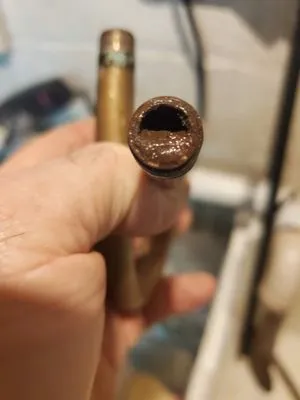
Perry's Plumbing Heating Air Conditioning
Perry's Plumbing Heating Air Conditioning has been serving the Lock Haven community for over 45 years, specializing in plumbing and heating with an additional decade of expertise in air conditioning s...

Jeff Pier Plumbing is a trusted, local plumbing service in Wellsboro, PA, dedicated to keeping your home's water system safe and reliable. We specialize in addressing the common local plumbing challen...
RC Heating and Cooling
RC Heating and Cooling is a certified HVAC contractor serving Williamsport, PA, and the surrounding Tioga and Lycoming County areas for nearly a decade. With expertise in HVAC, plumbing, and gas line ...
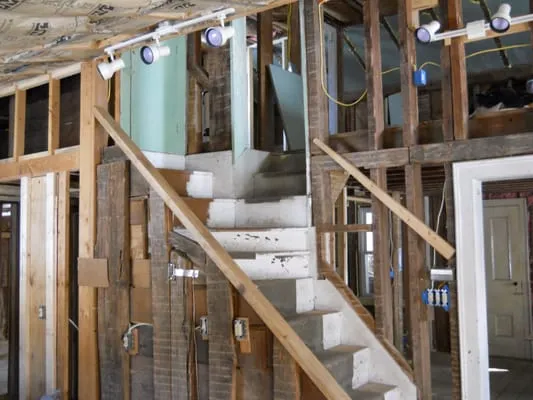
The Handiman is a veteran-owned and operated home services company proudly serving Wellsboro and Tioga County since 2010. Founded by a retired US Marine, the business is built on the principles of hon...
Vernon Williams Services, LLC is a family-owned plumbing and HVAC company serving Wellsboro, PA, and the surrounding communities since 2000. We specialize in a comprehensive range of services, includi...

Renovo Heating & Cooling
Renovo Heating & Cooling has been a trusted family-owned business in Renovo, PA, for over 45 years. We specialize in both HVAC and plumbing services, from heating and cooling system maintenance to ful...
Estimated Plumbing Costs in Delmar, PA
Common Questions
Are septic and well inspections needed for plumbing work?
In a rural setting like Delmar, any significant plumbing project requires considering the entire system. Adding a bathroom impacts septic tank and drain field capacity. Installing a new fixture often means checking well pump output and pressure tank settings. We always evaluate the well and septic system's limits before planning new supply or waste lines to avoid overloading them.
How fast can a plumber get to Delmar in an emergency?
Our dispatch route typically has us heading past the Pennsylvania Grand Canyon on US-6. That's a 45 to 60 minute drive for a service call from our main shop. We factor in weather on the ridge, but US-6 is a reliable artery. You can expect a call from the truck once we're on that road with a firm ETA.
Who pulls the permits for a plumbing job in Delmar Township?
A licensed master plumber handles all required Delmar Township Building Permits and any inspections mandated by the Pennsylvania Department of Labor and Industry. My credentials allow me to file the paperwork, schedule inspections, and ensure the work meets code. You shouldn't have to navigate that red tape; it's a standard part of a professional job from start to finish.
Can hilly terrain cause plumbing problems?
The slope of the land here directly stresses your main water line. A service line running from a well down a hillside near the Pennsylvania Grand Canyon area has constant gravitational pull on the pipe. Over decades, this can fatigue fittings and cause settling at connections. It also complicates drainage, as effluent from a septic system must be routed carefully to avoid surfacing downhill.
What should I do to my pipes before spring in Delmar?
Before the spring thaw hits its peak, walk your property and check any exposed pipes in crawlspaces or outbuildings for insulation gaps. Thaw cycles can shift foundations and stress old solder joints. A pro-tip is to ensure your main water shut-off valve operates smoothly; a seized valve during a 15-degree freeze event turns a minor drip into a major flood.
What is a pinhole leak in copper pipe?
Pinhole leaks are a common failure in 58-year-old copper systems. Hard water minerals create scale, and over decades, a process called Type 1 pitting corrodes the pipe from the inside out. A tiny hole develops, often at a solder joint or where the pipe contacts a corrosive material. The leak is small but persistent, causing water damage and wasting well pump cycles.
Does hard well water damage my water heater?
Yes, it accelerates wear significantly. Hard water from a private well carries dissolved minerals like calcium and magnesium. These minerals precipitate out as scale when heated, coating the heating elements and tank interior in your water heater. This buildup insulates the elements, forcing them to work harder and fail sooner, while also reducing tank capacity and efficiency.
Why are my copper pipes failing now in Delmar?
Copper pipes installed in 1968 are now 58 years old. In Wellsboro Junction, homeowners are seeing a predictable failure pattern. This specific age is when decades of hard water scaling and normal internal wear thin the pipe walls. The result is often pinhole leaks that start in sections under constant pressure, typically behind walls or under slabs.
