Top Emergency Plumbers in Cussewago, PA, 16403 | Compare & Call

There are 167 plumbing companies server in Cussewago PA
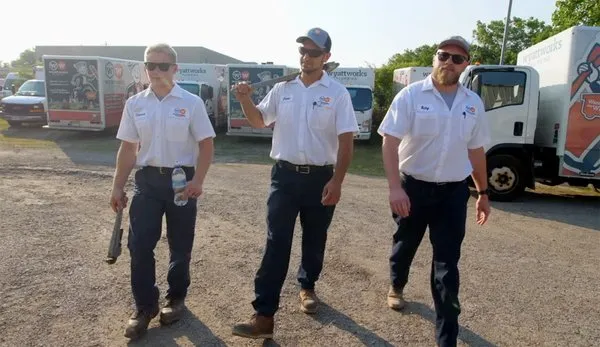
WyattWorks Plumbing
WyattWorks Plumbing has been serving Seven Hills, OH, since 1980, providing reliable plumbing solutions for homeowners. Specializing in hydro-jetting, water heater services, drain cleaning, and trench...
Mc Phillips Plumbing Heating & Air Conditioning
Mc Phillips Plumbing Heating & Air Conditioning has been a trusted Cleveland institution since 1907, operating as a family-owned business that has grown from its plumbing roots to become a full-servic...
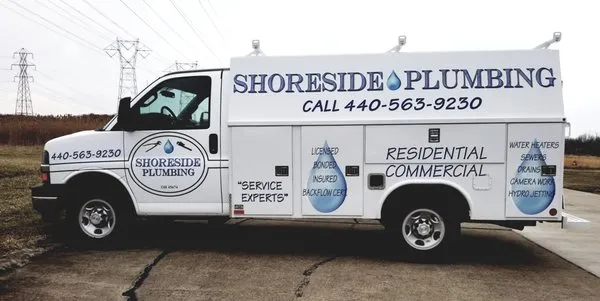
Shoreside Plumbing has been Rome's trusted local plumbing expert since 1998. Founded by James, who has over two decades of experience from his time with T&J Septic and McPhillips Plumbing, our team no...
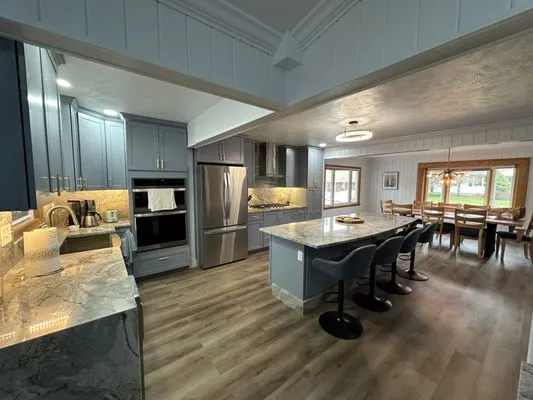
Lakeview Construction is a Cleveland-based building and remodeling contractor dedicated to transforming local homes. We handle projects of all sizes, from comprehensive ground-up construction—includin...
1-Tom-Plumber is a full-service plumbing company serving Eastlake, OH, and the greater Cleveland area. Founded in 2022 through a partnership with a locally owned family plumbing business with over 20 ...
Reeves Plumbing & Heating
Reeves Plumbing & Heating is a family-owned and operated company serving Eastlake, Ohio, and the surrounding communities. Founded by Rick Reeves and now run by his sons, Rick and Jeremy, the business ...
R & R Mechanical is a Cleveland-based, MBE & EDGE certified mechanical services provider founded in 1986. With a team of licensed and insured plumbers boasting over a century of combined experience, t...

Plunger Plumber is a family-owned and operated plumbing service based in Cleveland, Ohio, with over two decades of experience serving Northeast Ohio. We provide a comprehensive range of residential an...
Ark Plumbing is a family-owned and operated plumbing company serving Madison, OH, with over 30 years of local experience. We provide reliable plumbing services including installation, repair, and emer...
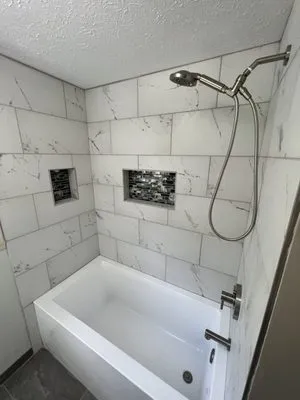
LM Home Improvement & Renovation LLC is a Norton-based contractor dedicated to transforming homes throughout the community. We specialize in comprehensive interior remodeling, with a strong focus on b...
Estimated Plumbing Costs in Cussewago, PA
Q&A
What plumbing issues are unique to rural homes like mine?
Rural homes with private wells and septic systems face specific challenges. Well pumps and pressure tanks need regular maintenance to avoid dry spells or contamination. Septic lines require careful placement to avoid soil saturation or blockages. Unlike municipal systems, you manage water quality and pressure directly, so proactive checks prevent costly repairs.
Who handles permits for plumbing work in Crawford County?
I manage permits through the Crawford County Planning Department and comply with Pennsylvania Department of Labor and Industry codes. This includes inspections for new installations, repairs, or septic modifications. Handling the red tape ensures your project meets local regulations without delays. My credentials cover all required approvals so you can focus on the result.
How quickly can a plumber reach my home in Cussewago?
Heading past Cussewago Creek on US-6, my dispatch route covers most of the township within 45 to 60 minutes. I plan for seasonal delays like winter snow or spring thaw traffic. For urgent calls, I prioritize routes that avoid bottlenecks on rural roads. This timing ensures I can address leaks or bursts before they cause major damage.
Does hard water from my private well damage my plumbing?
Hard water causes scale buildup inside pipes, water heaters, and fixtures, reducing efficiency and lifespan. In water heaters, sediment accumulation increases energy costs and risks overheating. For fixtures, mineral deposits clog aerators and valves. Installing a whole-house water softener can mitigate this, but existing scale may still require pipe flushing or replacement.
How do I prepare my plumbing for Cussewago's cold winters?
With lows around 16°F in this Snow Belt, insulate exposed pipes in unheated areas like basements or crawlspaces before winter. Drain outdoor spigots and disconnect hoses. During spring thaw, check for leaks as frozen pipes thaw and expand. A pro-tip is to keep cabinet doors open to let warm air circulate around pipes under sinks.
Why are so many homes in Cussewago Township Center having plumbing issues lately?
Copper plumbing installed around 1974 is now 52 years old, which is when pinhole leaks and joint calcification become common. Homeowners near Cussewago Township Center are seeing blue-green stains on fixtures, reduced water pressure, and sudden leaks in walls or ceilings. This happens because decades of hard water and oxygen exposure wear down the pipe walls. Replacing sections or repiping is often needed to prevent recurring emergencies.
What causes those tiny leaks in my copper pipes?
Pinhole leaks in 1974-era copper pipes result from corrosion inside the walls, often accelerated by hard water minerals and acidic well water. Over 52 years, scale buildup and electrolysis create weak spots that eventually perforate. Joint calcification at solder points also leads to drips. These failures typically start in hidden areas like crawlspaces or behind walls.
Can the hilly land around Cussewago Creek affect my drainage?
Hilly slopes increase stress on main sewer lines, causing sagging or separation over time. Soil erosion near Cussewago Creek can expose pipes to freezing or damage. Proper grading around your home directs water away from the foundation, preventing basement flooding. Installing backflow valves on downhill lines helps manage pressure during heavy rains.
