Top Emergency Plumbers in Cumberland Valley, PA, 15522 | Compare & Call

There are 168 plumbing companies server in Cumberland Valley PA

TCB Contracting & Renovating
TCB Contracting & Renovating is a fully licensed, insured, and 100% veteran and family-owned business serving Martinsburg, WV, and the surrounding areas. With a commitment to integrity and craftsmansh...
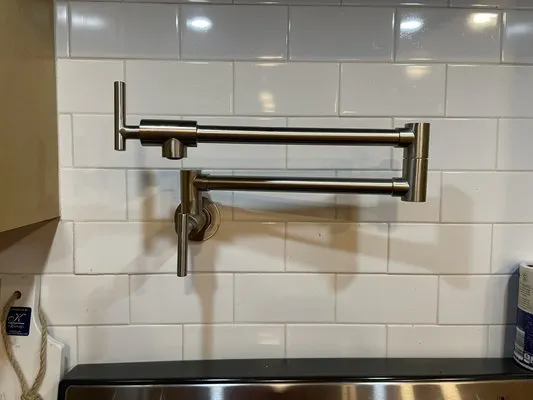
Professional Plumbing and Heating, LLC has been serving Kearneysville, WV, and the surrounding communities since 1984. Under new ownership since 2022, owner/operator Bernard Eversole brings over 40 ye...
Coleman Plumbing is your trusted, full-service plumbing and handyman provider serving Charles Town, WV, and the surrounding communities. We understand the specific challenges homeowners face in our ar...

Turn Key Cabinetry & More is a trusted local business in Harpers Ferry, WV, specializing in custom cabinet construction and plumbing inspection services. Many homes in the area face common plumbing is...
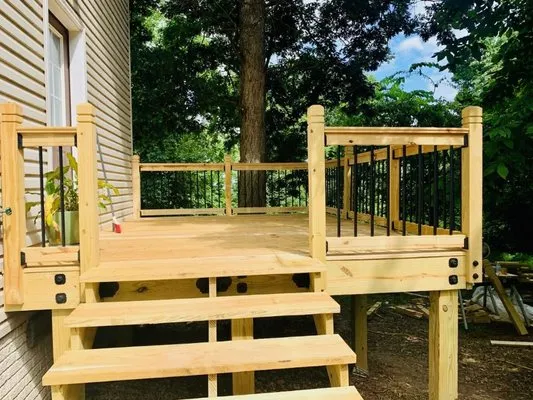
K&D Home & Property Services
K&D Home & Property Services is a family-owned, licensed, and insured business serving Berkeley Springs, WV, founded by Kristy and David S. We provide honest, hard work and prioritize customer satisfa...
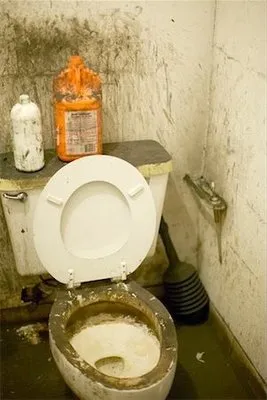
D & D Plumbing has been a trusted name in Romney and Hampshire County since its founding by Dennis and Dan. What began as a two-man operation has grown into a dedicated team of about eight skilled pro...
Sheets Handyman Service is a Romney-based home service provider with deep roots in hands-on craftsmanship. With skills honed over a lifetime of practical experience, the owner operates as a true jack-...
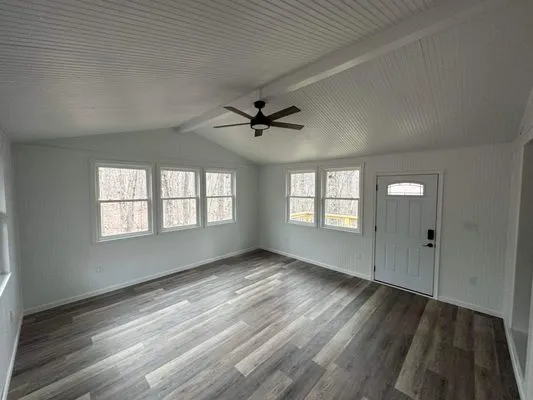
SDG Contracting is a Romney-based, family-owned construction company founded in 2020. Our focus is on bringing quality craftsmanship to home projects while fostering strong, transparent relationships ...

For homeowners in Paw Paw, WV, Kings Home Improvement & Repairs is your trusted local partner for essential home maintenance. We specialize in expert carpentry, thorough electrical inspections, and co...
1-Tom-Plumber is a trusted plumbing service in Tarentum, PA, offering comprehensive solutions for both residential and commercial clients. Available 24/7/365, we specialize in everything from routine ...
Estimated Plumbing Costs in Cumberland Valley, PA
Common Questions
Could the hilly terrain around here be causing my drainage problems?
Hilly terrain, especially near the Appalachian Trail slopes, puts constant stress on your main sewer line. The pitch can be too steep, causing water to outrun solids, or too shallow, allowing debris to settle. Settling soil on slopes can also misalign pipe joints. We often find that a slow-draining basement floor drain is the first sign of a main line issue related to the grade.
What's the most important plumbing prep for a Cumberland Valley winter?
Focus on the overnight low of 22 degrees. The real danger isn't a deep freeze, but the repeated freeze-thaw cycles that stress pipes. Before the first hard frost, disconnect and drain all outdoor hoses. Insulate any pipes in unheated crawl spaces or garages. A slow drip from faucets during a cold snap is a cheap insurance policy against a burst pipe.
How fast can a plumber get to my house near the Appalachian Trail?
We can typically be on site within 30 to 45 minutes. The dispatch route is straightforward: heading past the Appalachian Trail crossings on I-81 gives direct access to most of the West Shore communities. Traffic on 81 and 83 is the main variable, so we monitor it and route accordingly to maintain that window.
As a suburban homeowner here, what's the biggest plumbing risk I might not see?
The shared risk for suburban homes is the lateral line from your house to the municipal main. Tree roots from mature landscaping are drawn to the moisture and can infiltrate even small pipe joints, causing slow blockages or complete collapse. A sudden backup in multiple fixtures often points to a root intrusion in that lateral, which is the homeowner's responsibility to repair.
Do I need a permit to replace my water heater in Cumberland County?
Yes, a permit from the Cumberland County Planning Department is required. As a master plumber licensed by the Pennsylvania Department of Labor and Industry, I pull all necessary permits, schedule inspections, and ensure the installation meets current code. My credential means I handle the red tape so you don't have to worry about compliance issues down the line.
Our house in the West Shore area was built in 1971. Should I be worried about the plumbing?
Your copper plumbing is now 55 years old. That's the typical lifespan for copper in our water conditions. Homeowners in Mechanicsburg or Camp Hill are starting to see the same pattern: a sudden increase in pinhole leaks, often behind walls or under slabs. This isn't a matter of if, but when. The copper has simply worn thin from decades of mineral interaction and pressure cycles.
Why are copper pipes from the 70s failing all at once in Cumberland Valley?
Copper installed around 1971 is failing due to a combination of age and manufacturing. The solder joints from that era are prone to dezincification, and the pipe walls themselves are succumbing to pitting corrosion from our hard water. You'll often find leaks at the joints first, or in horizontal runs where sediment and scale have accelerated the wear.
Does the hard water from the Susquehanna River damage my water heater?
Absolutely. The mineral content from the river leads to rapid scale buildup inside the tank. This sediment acts as an insulator, forcing the heater to work harder and shortening its life. You'll notice reduced hot water capacity and higher energy bills. An annual flush and an anode rod check are not just recommendations here; they are necessary maintenance.
