Top Emergency Plumbers in Croyle, PA, 15942 | Compare & Call

There are 98 plumbing companies server in Croyle PA
MK Plumbing is a trusted, licensed plumbing service operating out of Indiana, PA, and serving homeowners and businesses in Penn Run and the surrounding area. We provide a comprehensive range of servic...

Hruska Plumbing, Heating & Air is a trusted, full-service plumbing contractor serving Homestead, PA, and the surrounding communities. We specialize in residential plumbing repairs, installations, and ...
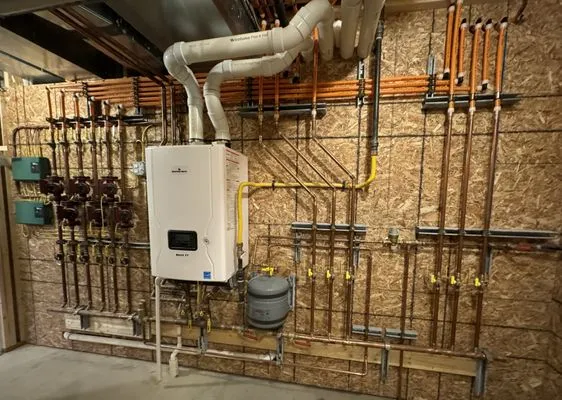
Junction Climate Control
Junction Climate Control has been serving the Pittsburgh area for over a century, with roots dating back to the 1800s as Junction Coal and Coke, which delivered heating coal from its Lawrenceville loc...
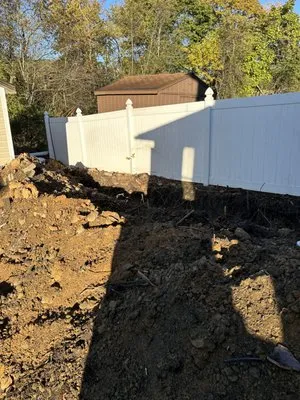
Ryland Services is a trusted provider of comprehensive maintenance solutions for Creekside, PA residents and businesses. We specialize in HVAC, plumbing, roofing, and electrical services, delivering r...

Sheriffs Plumbing Heating and Air
Sheriffs Plumbing Heating and Air is a family-owned and operated business serving New Florence, PA, and surrounding Westmoreland, Indiana, and Cambria counties. We provide professional plumbing, heati...
M&T Mechanical Services
M&T Mechanical Services is your local Mount Union expert for plumbing and electrical repairs and installations. Serving our community, we specialize in addressing common regional problems like frozen ...

Aqua-Tech Plumbing is a trusted plumbing service based in Portage, PA, dedicated to providing reliable solutions for residential and commercial plumbing needs. We specialize in water heater installati...

Rabenstein Heating, Air Conditioning & Plumbing
Rabenstein Heating, Air Conditioning & Plumbing is a trusted local provider serving Williamsburg, PA, and surrounding Blair, Huntingdon, Northern Bedford, and Southern Centre Counties. Established in ...
Zemba Enterprises Plumbing and Drain Cleaning
Zemba Enterprises is a third-generation, family-owned plumbing and drain cleaning service proudly serving Derry and the surrounding communities. We specialize in providing reliable, after-hours plumbi...

Eric Gilbert Plumbing
Eric Gilbert Plumbing has been a trusted name for homeowners and businesses in Glen Campbell, PA, and the surrounding communities. Founded on principles of integrity and skilled workmanship, the compa...
Estimated Plumbing Costs in Croyle, PA
Questions and Answers
Are there different plumbing concerns for a rural home with a well and septic system?
Absolutely. A private well means your water pressure and quality are your responsibility; pressure tank maintenance and well pump longevity are key concerns. For septic systems, the hilly terrain requires a properly sized and located drain field. Overloading the system or planting deep-rooted trees too close to the tank and lines are common failures I see. Unlike a municipal system, you're the sole operator, so regular inspection and pumping are non-negotiable.
Does the hard water around the Stonycreek River affect my plumbing?
Yes, the mineral content in our groundwater leads to heavy scale buildup. Inside galvanized pipes, scale combines with rust to choke off flow. For water heaters, this scale acts as an insulator on the heating elements, forcing them to work harder and fail prematurely. You'll also see it crusting on showerheads and faucet aerators, reducing performance. A whole-house water softener can mitigate this for your fixtures and appliances, but it won't reverse existing pipe corrosion.
Why are my old galvanized pipes suddenly leaking so much?
Galvanized steel from that era fails in a specific way. The protective zinc coating wore off decades ago, leaving the bare steel to corrode. This creates uneven internal pitting that eventually breaches the pipe wall. The leaks often appear at threaded joints first, where the metal is thinnest, but can erupt anywhere along a run. Complete pipe replacement is typically the only permanent fix, as patching one spot just moves the stress downstream.
My Croyle house was built in the late 1950s. What should I be watching for with my original plumbing?
Homes built around 1958, common here in Summerhill Township, now have original galvanized steel pipes that are 68 years old. The steel has been rusting and scaling internally for decades. What you'll likely notice first is a significant drop in water pressure at your fixtures, especially on the upper floor of a two-story home, as the pipe interior narrows. It's a progressive issue that often culminates in a sudden, full-wall failure, not just a pinhole leak.
What permits are needed for a repipe or water heater replacement in Summerhill Township?
Most major plumbing work requires a permit from the Summerhill Township Building Department, and the installation must adhere to the Pennsylvania Uniform Construction Code. As a master plumber licensed by the Pennsylvania Department of Labor and Industry, I pull all necessary permits, schedule inspections, and ensure the work meets code. This handles the red tape for you, provides a record for your home, and is legally required for the work to be insured and considered legitimate.
What's the most important thing to do before spring thaw to protect my pipes?
Our winter lows around 18°F mean freeze protection is critical. Before the spring thaw, when ground shifting can stress lines, make sure any exposed plumbing in crawl spaces or along foundations is properly insulated. Draining and shutting off exterior hose bibs is a must. A pro-tip for this temperate climate: keep cabinet doors under sinks open on the coldest nights to let warm house air circulate around the pipes, especially on the north side of your home.
If I have a plumbing emergency, how long will it take for a plumber to get to my house in Croyle?
From my shop, a typical dispatch route heads past the Stonycreek River on US-219 into the township. Accounting for rural roads and driveways, a 45 to 60 minute response is standard for most Croyle addresses. I keep a truck stocked for common emergencies so we can start work immediately upon arrival, without a second trip for parts.
Could the hilly land near the river be causing my drainage problems?
The slope of your property directly impacts your drainage system. On a hillside, the main sewer line or septic inlet can experience extra stress from soil movement and gravity, leading to bellied pipes or separated joints. For homes nearer the Stonycreek River, the water table is higher, which can saturate a drain field or cause basement sump pumps to run constantly. Proper grading away from your foundation is the first line of defense against water intrusion.
