Top Emergency Plumbers in Cook, PA, 15610 | Compare & Call

There are 236 plumbing companies server in Cook PA
1-Tom-Plumber is a trusted plumbing service in Tarentum, PA, offering comprehensive solutions for both residential and commercial clients. Available 24/7/365, we specialize in everything from routine ...

Metz Plumbing & Sewer Lining LLC is a family-owned plumbing service rooted in Canonsburg, PA, with over 20 years of industry experience. Founded by professionals who previously managed a large local c...
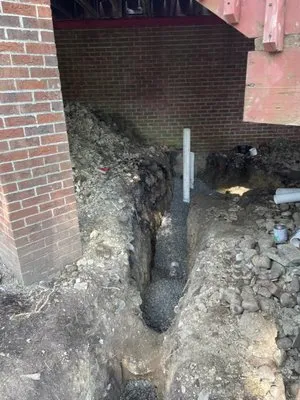
G Horvath Plumbing is a trusted, locally-owned plumbing service serving Pittsburgh and the surrounding communities. As a full-service plumbing contractor, they handle everything from routine repairs t...
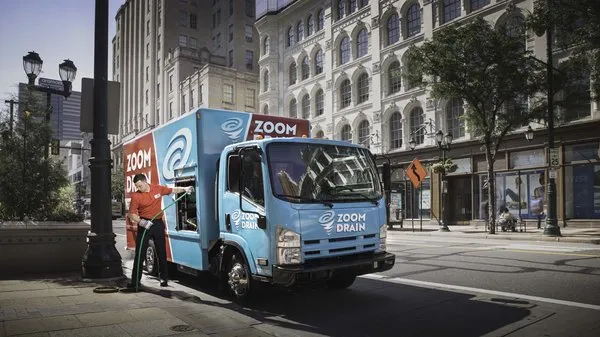
Zoom Drain of Pittsburgh is a locally owned and operated plumbing service founded by Pittsburgh native Mark Puzas. With deep roots in the community and a background in accounting and real estate, Puza...
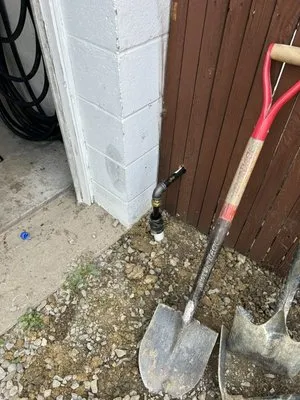
Kaleb's Kustom Plumbing is a veteran-owned company serving Pittsburgh, founded in 2023 on principles of integrity, honesty, and respect. As a proud Air Force veteran, husband, and father of four, owne...

412 Plumbing
412 Plumbing is a trusted, family-owned plumbing service in Bridgeville, PA, dedicated to serving the South Hills community. We provide a full range of plumbing solutions for both homes and businesses...

RJS Plumbing is a locally-owned and operated Pittsburgh plumbing service built on a foundation of integrity and fairness. After nearly two decades working for other companies in the area, owner Ryan r...
Perfect Pipes Plumbing is a trusted local plumbing service in Pittsburgh, PA, dedicated to helping homeowners tackle common plumbing problems like garbage disposal jams and broken shutoff valves. With...
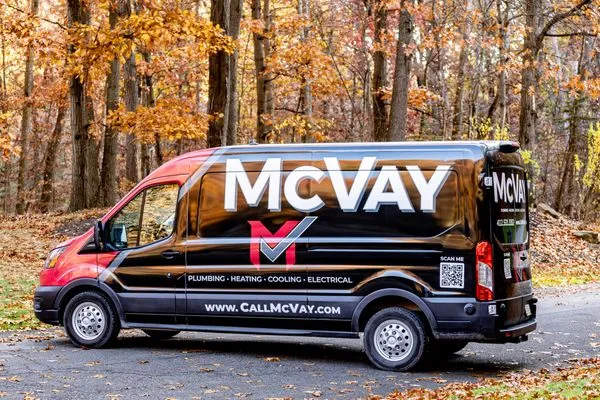
McVay Plumbing, Heating & Cooling
For over [implied years], McVay Plumbing, Heating & Cooling has been a trusted name in Pittsburgh, providing reliable home service solutions. As a local, family-owned business, we understand the speci...

Steve the Plumber is a Pittsburgh-based plumbing and electrical service provider with eight years of hands-on experience in the trade. Working under a master plumber since 2017, Steve now operates ind...
Estimated Plumbing Costs in Cook, PA
Questions and Answers
Who handles permits for plumbing work in Westmoreland County?
The Westmoreland County Building Code Office issues permits for all plumbing modifications. As a master plumber licensed through the Pennsylvania Department of Labor and Industry, I file the required paperwork and schedule inspections. Homeowners avoid dealing with red tape directly when working with certified professionals who understand local code requirements.
My copper pipes are from 1971 - what problems should I expect in Cook Village?
Copper pipes installed in 1971 are now 55 years old. At this age, homeowners in Cook Village commonly see pinhole leaks developing in straight pipe runs, especially where water velocity is highest. The copper has thinned from decades of water flow and mineral abrasion. You might notice small damp spots on ceilings or walls that appear without obvious cause.
What should I do before spring thaw to prevent plumbing problems?
Before temperatures rise above freezing, disconnect garden hoses and drain exterior faucets. Check crawl space insulation where pipes run near exterior walls. Our 18°F winter lows followed by rapid thaw cycles put particular stress on older copper. A pro-tip: keep cabinet doors open overnight during cold snaps to allow warm air circulation around pipes.
Why do my 1970s copper pipes keep springing leaks?
Copper pipes from the early 1970s often develop joint calcification where solder connections meet fittings. Over 55 years, mineral deposits create stress points that eventually crack. The problem worsens with our hard water, accelerating corrosion at these vulnerable junctions. Regular inspections can identify weak spots before they fail completely.
Does Loyalhanna Creek water damage my plumbing fixtures?
Water from Loyalhanna Creek carries high mineral content that causes scale buildup. In water heaters, this sediment reduces efficiency and can overheat bottom elements. Fixtures develop restricted flow as aerators and cartridge valves accumulate deposits. Installing a whole-house water softener extends appliance life significantly.
How quickly can a plumber reach my home near Loyalhanna Creek?
Heading past Loyalhanna Creek on US-22, most emergency calls in the Cook area take 45-60 minutes for dispatch. The route follows the creek valley before branching into residential roads. We factor in bridge crossings and seasonal traffic patterns when estimating arrival times.
How does the hilly terrain around Cook affect my drainage system?
The slope toward Loyalhanna Creek creates natural drainage but puts lateral stress on main sewer lines. Soil movement on hillsides can misalign pipe joints over time. Downspouts should direct water away from foundation walls to prevent basement flooding during heavy rains. Proper grading around your home's perimeter reduces hydrostatic pressure on underground pipes.
As a rural homeowner, what unique plumbing issues should I watch for?
Rural properties around Cook typically have well and septic systems. Well pumps require regular pressure tank maintenance to prevent short-cycling. Septic fields need inspection every 3-5 years to avoid backup into household drains. Unlike municipal systems, private wells lack consistent pressure regulation, which can stress older copper piping.
