Top Emergency Plumbers in Conestoga Township, PA, 17516 | Compare & Call

Conestoga Township Emergency Plumbers
Phone : (888) 860-0649
There are 238 plumbing companies server in Conestoga Township PA

Hi, I'm Jim Morrow, owner-operator of James Morrow Electrician. My passion for electrical work started in 9th grade shop class—I wasn't just satisfied to see a light turn on; I needed to understand th...
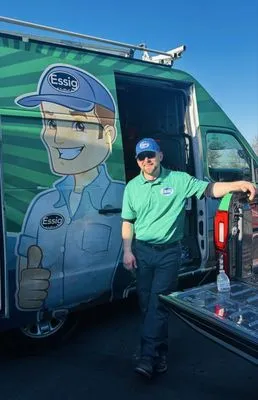
Essig Plumbing & Heating has been serving Berks County since 1938 as a family-owned plumbing and HVAC contractor. With three generations of experience, we provide comprehensive services including plum...
Clear Flow Water Solutions is your trusted, local plumbing expert serving Oley, PA, and the surrounding communities. We specialize in a comprehensive range of residential and commercial plumbing servi...
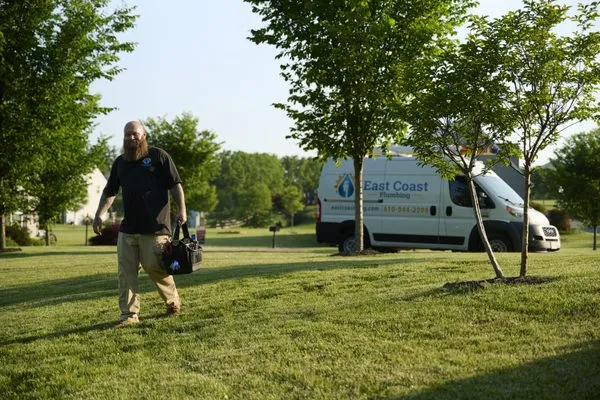
East Coast Plumbing
East Coast Plumbing is your trusted local plumber serving Barto and the surrounding communities in Montgomery, Bucks, Berks, and Lehigh Counties. We provide reliable residential and commercial plumbin...
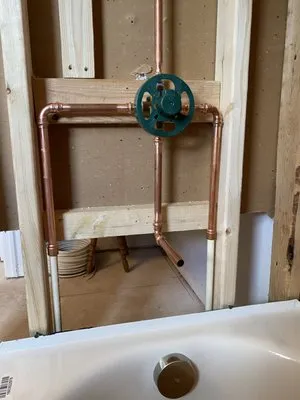
B&G Mechanical
B&G Mechanical is a family-owned and operated HVAC and plumbing service based in Barto, Pennsylvania. We specialize in the installation, maintenance, and repair of heating, cooling, and plumbing syste...

Lowry Services
Lowry Services has been a trusted home services provider in Harleysville and Southeast Pennsylvania since 1980. Founded by Steve Lowry with just one truck, the company has grown into a comprehensive t...
Haller Enterprises
Founded in Lititz in 1981 by Rick Haller, Haller Enterprises has grown from a one-man operation into a trusted local provider with nearly 400 employees, serving Pennsylvania and beyond. With five bran...
Integrity Plumbing And Heating is your trusted, full-service plumbing partner serving homeowners throughout Reading, PA, and the surrounding areas. We specialize in residential plumbing and heating, h...

Arrow Plumbing & Mechanical
Arrow Plumbing & Mechanical is a family-owned plumbing service founded in Denver, PA, in 2006 by Master Plumber Tim. With over 25 years of experience, Tim started the company to offer residents of Lan...
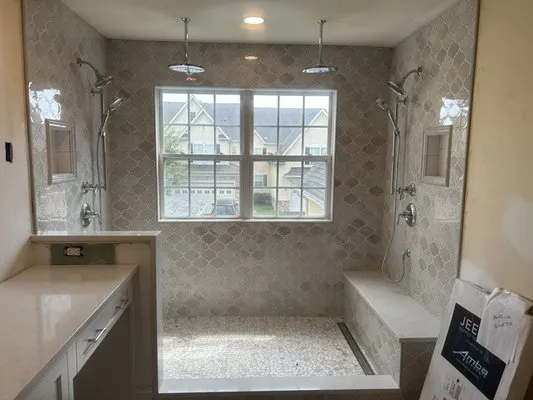
Mountain Top Mechanical is a trusted plumbing service provider for Reinholds, PA, and the surrounding communities. We understand the local challenges homeowners face, particularly with basement floodi...
Estimated Plumbing Costs in Conestoga Township, PA
Common Questions
Does having a private well cause problems for my plumbing fixtures?
Private wells here pull from groundwater with high mineral content, leading to hard water and scale buildup. That scale coats the inside of water heaters, drastically reducing efficiency and lifespan, and it clogs aerators and showerheads. Installing and maintaining a whole-house water softener isn't just for comfort; it's a protective measure for your entire plumbing system and appliances.
Why am I seeing so many plumbing problems in my Conestoga Township home lately?
Your copper piping system, installed around 1978, is now 48 years old. That's the point where copper begins to show its age through frequent pinhole leaks, especially in the hot water lines. Many homes in Conestoga Village built during that period are experiencing the same issue—it’s a predictable lifespan for this material. The corrosion is accelerated by our local water chemistry interacting with the pipe walls over decades.
Who handles the permits for a plumbing job in Conestoga Township?
Permits are filed with the Conestoga Township Building Codes Department, and all work follows the Pennsylvania Uniform Construction Code from the Department of Labor and Industry. As a licensed master plumber, I handle that red tape for you—pulling permits, scheduling inspections, and ensuring the work meets code. That's part of the job, so you don't have to navigate it yourself.
Are there special considerations for plumbing in a rural area like Conestoga Township?
Yes, the rural setting means you're responsible for the entire system from the well pump to the septic tank field. There's no municipal backup, so a failure in your pressure tank, well pump, or septic system is an immediate household crisis. Maintenance and understanding the signs of trouble in these components are more critical than in a city home.
How long does it take for a plumber to get to my house out here?
My typical dispatch route starts from the Safe Harbor Dam area. Heading past the dam on PA-324, I can reach most of the township in 45 to 60 minutes, depending on your specific location off the main route. I factor this travel time into my scheduling to give you a realistic arrival window. It’s part of doing business in a spread-out, rural community.
What's the most common plumbing failure in a house built in the late 1970s?
For a 1978 home with copper, the signature failure is pinhole leaks from internal corrosion, often starting at soldered joints. The solder used then can create a galvanic reaction with the copper over time, especially with hard water. You'll find these leaks first on horizontal hot water runs in basements or crawlspaces. It's a systemic issue, not a random one.
What's one thing I should do every spring to avoid a plumbing emergency?
Before the spring thaw really sets in, check all exterior hose bibs. Make sure they were properly winterized and that the shut-off valves inside are fully closed. A quick inspection can prevent a burst pipe from a forgotten bib when nighttime temps still dip near 22°F. It’s a simple five-minute task that prevents a major headache.
Could the hilly land around Safe Harbor Dam be affecting my main sewer line?
Absolutely. The sloping, hilly terrain common here puts constant stress on the main drain line running from your house to the septic tank or sewer. Over decades, this can cause sections to settle, crack, or separate at the joints. It also affects surface drainage around your foundation, which is why proper grading is as much a plumbing concern as a landscaping one.
