Top Emergency Plumbers in Colerain, PA, 17509 | Compare & Call

There are 34 plumbing companies server in Colerain PA
M&T Mechanical Services
M&T Mechanical Services is your local Mount Union expert for plumbing and electrical repairs and installations. Serving our community, we specialize in addressing common regional problems like frozen ...

Aqua-Tech Plumbing is a trusted plumbing service based in Portage, PA, dedicated to providing reliable solutions for residential and commercial plumbing needs. We specialize in water heater installati...
FlowRight Plumbing & Drain Cleaning is a trusted, family-owned plumbing service based in Everett, PA, proudly serving Bedford, Blair, and Centre County for over 42 years. Our team brings the right too...
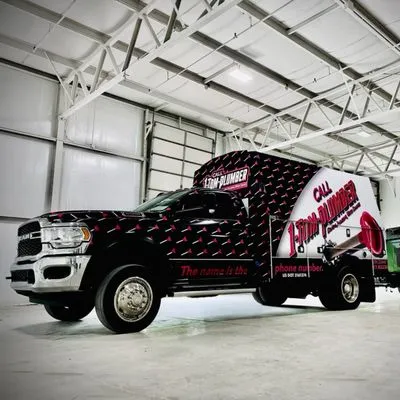
1-Tom-Plumber
1-Tom-Plumber is a trusted, locally-owned plumbing service dedicated to Johnstown, PA, and the surrounding communities. Available 24 hours a day, we provide reliable residential and commercial plumbin...
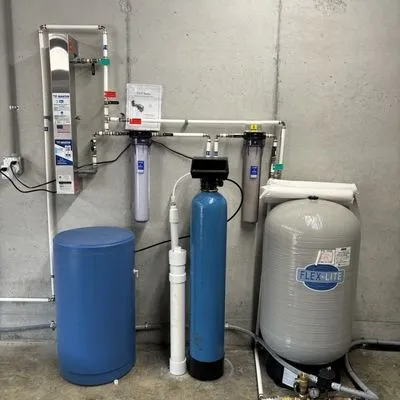
Progressive Homecare Solutions is your local handyman team in Martinsburg, dedicated to keeping homes safe, functional, and well-maintained. We understand the unique needs of our community, from seaso...

Kuhl's Powerhouse Plumbing & Remodeling is Everett, PA's trusted local plumbing and remodeling expert, serving homeowners with reliable, professional solutions. Many Everett homes face common plumbing...
Kimmen Plumbing & Heating
Kimmen Plumbing & Heating is a family-owned and operated business that has served Altoona and the surrounding communities since 1990. The company's roots go back even further to 1976, when founder Cha...
Benamati Plumbing and Heating
Benamati Plumbing and Heating is a locally-owned and operated company serving Hollidaysburg and the surrounding communities. For years, we've been the trusted choice for comprehensive plumbing and HVA...

For over 20 years, Old Glory Plumbing has been the trusted local plumbing expert for Bedford County. As a family-owned and operated business led by a Licensed Master Plumber, we bring two decades of r...

Powerhouse Plumbing & Drain Cleaning is your trusted local plumbing expert in Everett, PA, dedicated to solving the region's most common and disruptive plumbing problems. We specialize in addressing b...
Estimated Plumbing Costs in Colerain, PA
Common Questions
Do I need a permit to replace my water heater?
Yes, Colerain Township and the Pennsylvania Department of Labor and Industry require permits for water heater replacements to ensure proper venting and pressure relief. As a licensed master plumber, I handle that permitting and inspection red tape directly with the Colerain Township Building Codes Department. This ensures the installation meets all current code for safety and insurance purposes, so you don't have to.
Does hard well water damage my plumbing fixtures?
Yes, the mineral content in private well water around Colerain causes scale buildup. This limescale accumulates most rapidly inside water heaters, reducing efficiency and shortening their lifespan. It also restricts flow in faucet aerators and showerheads. Installing a whole-house water softener or conditioner is the most effective long-term solution to protect your appliances and maintain water pressure.
How long does it take for a plumber to get to Colerain?
From our base, heading past Octoraro Creek on US-222 is the main route into the township. Under normal traffic, that dispatch takes about 45 to 60 minutes. We factor in local road conditions and weather, so providing clear details about your location when you call helps us arrive prepared with the right tools for your job.
As a rural homeowner with a well and septic, what plumbing maintenance is unique to me?
Your private well and septic system operate independently of municipal utilities. Annual well inspections check for components like the pressure tank and switch. For the septic system, regular pumping every 3-5 years is mandatory to prevent solids from entering and clogging the drain field. Avoid chemical drain cleaners, as they can kill the essential bacteria in your septic tank.
What should I do to my pipes before spring?
Before the spring thaw hits its peak, disconnect and drain any outdoor hoses. Check the insulation on pipes in unheated spaces like crawl spaces, as overnight lows still dip to 22°F. A pro-tip for our temperate climate is to know the location of your main water shut-off valve. A sudden thaw can reveal weaknesses, and being able to stop the water quickly minimizes damage.
Why am I getting pinhole leaks in my copper pipes?
Pinhole leaks in 52-year-old copper are often caused by a combination of pipe age and local water chemistry. Over decades, hard water minerals can create microscopic points of corrosion inside the pipe wall. These weak spots eventually fail under standard household pressure. The leaks frequently appear on horizontal runs or at fittings where water flow creates turbulence, accelerating the wear.
My house was built in the 1970s. What kind of plumbing issues should I expect?
Copper pipes installed around 1974 are now 52 years old. For many homes in Colerain Village, this age means the protective inner lining of the pipe has worn thin. Homeowners are commonly seeing pinhole leaks, especially at solder joints that have been stressed by decades of water pressure and temperature changes. This wear is a normal lifecycle event for copper, and addressing it proactively can prevent more significant water damage.
Could the hilly land be causing my drainage problems?
The sloping terrain common near Octoraro Creek can put lateral stress on your main sewer line. Over time, this settling may cause the pipe to bellies or separate at joints, leading to slow drains or backups. For homes at the bottom of a hill, surface runoff during heavy rain can also overload yard drains, so ensuring proper grading away from your foundation is critical.
