Top Emergency Plumbers in Clymer, PA, 15728 | Compare & Call

There are 102 plumbing companies server in Clymer PA
Ricket's Construction serves Thompson, OH, with a dual focus on commercial and residential property maintenance and improvement. While we specialize in commercial maintenance—including lawn care, faci...
1-Tom-Plumber is a trusted plumbing service in Tarentum, PA, offering comprehensive solutions for both residential and commercial clients. Available 24/7/365, we specialize in everything from routine ...

Metz Plumbing & Sewer Lining LLC is a family-owned plumbing service rooted in Canonsburg, PA, with over 20 years of industry experience. Founded by professionals who previously managed a large local c...
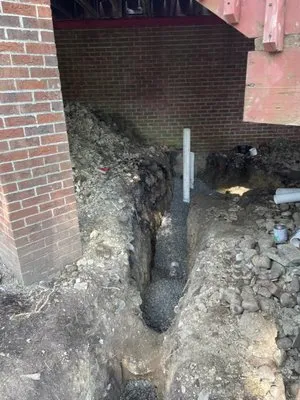
G Horvath Plumbing is a trusted, locally-owned plumbing service serving Pittsburgh and the surrounding communities. As a full-service plumbing contractor, they handle everything from routine repairs t...
Zoom Drain of Pittsburgh is a locally owned and operated plumbing service founded by Pittsburgh native Mark Puzas. With deep roots in the community and a background in accounting and real estate, Puza...
Kaleb's Kustom Plumbing is a veteran-owned company serving Pittsburgh, founded in 2023 on principles of integrity, honesty, and respect. As a proud Air Force veteran, husband, and father of four, owne...

RJS Plumbing is a locally-owned and operated Pittsburgh plumbing service built on a foundation of integrity and fairness. After nearly two decades working for other companies in the area, owner Ryan r...
Perfect Pipes Plumbing is a trusted local plumbing service in Pittsburgh, PA, dedicated to helping homeowners tackle common plumbing problems like garbage disposal jams and broken shutoff valves. With...

Steve the Plumber is a Pittsburgh-based plumbing and electrical service provider with eight years of hands-on experience in the trade. Working under a master plumber since 2017, Steve now operates ind...
Day to Day Plumbing has been Pittsburgh's trusted plumbing partner since 2019, providing reliable and professional solutions for homeowners and businesses throughout the area. We specialize in compreh...
Estimated Plumbing Costs in Clymer, PA
Questions and Answers
My Clymer home has old pipes. What am I in for?
Homes built around Clymer Borough Center in 1938 have galvanized steel pipes now 88 years old. At this stage, homeowners consistently report a sudden, sharp drop in water pressure from total scale buildup inside the pipe walls. Rust flakes in the toilet tank and a persistent metallic taste in the water are common signs the interior diameter has narrowed to a fraction of its original size, and complete blockages are likely.
My house is on a hill. Could that be causing my drainage problems?
The hilly terrain around Clymer and Two Lick Reservoir significantly affects drainage. For homes built on a slope, the main sewer line or septic system inlet may be subject to excessive gravitational pressure and soil shifting. This can lead to bellies or sags in the pipe where waste collects, or stress fractures at joints, causing repeated backups that seem unexplained.
How fast can a plumber get to Clymer in an emergency?
My typical dispatch route starts near Two Lick Reservoir. Heading south on US-119, the drive into Clymer Borough Center takes about 45 minutes under normal conditions. I account for seasonal traffic and weather on that corridor, so when you call, you get an honest arrival window based on real-time road knowledge, not just a map estimate.
What's the biggest plumbing risk during our cold Clymer winters?
Temperatures here can drop to 18°F or lower, but the real danger period is the spring thaw. As frozen ground around foundation walls and buried lines begins to shift and saturate, it can reveal existing leaks or cause new ones in older pipes. A pro-tip for this snow belt is to ensure all exterior faucets are properly winterized and the ground around your main line entry point is graded to drain meltwater away from the house.
Why do my old pipes keep springing pinhole leaks?
Galvanized steel from the late 1930s loses its protective zinc coating over decades. Combined with our hard water, this causes accelerated internal corrosion. Pinhole leaks typically appear at threaded joints or along the bottom of horizontal runs where sediment and moisture collect, creating weak spots that fail under constant pressure.
Does our local water from Two Lick Creek ruin water heaters?
Water from the Two Lick Creek watershed is very hard, meaning it carries high mineral content. This causes rapid scale buildup inside water heater tanks and on heating elements, reducing efficiency and lifespan. You will see the impact on fixtures too, with crusty, white deposits clogging aerators and showerheads much faster than in areas with soft water.
Do I need a permit to replace my water heater in Indiana County?
Most water heater replacements in Indiana County require a permit from the Office of Planning and Development, and the installation must meet Pennsylvania Department of Labor and Industry code. As a licensed master plumber, I handle that permitting and inspection red tape directly. You get a system that's compliant and documented, which is crucial for both safety and your home's resale value.
Are there special plumbing considerations for a rural home near Clymer?
Yes, rural plumbing here often involves a private well and septic system, not municipal lines. Well pump pressure switches and septic tank baffles need regular monitoring. A sudden change in water pressure or slow drains could point to a well issue or a full septic tank, problems that require a different diagnostic approach than in a town with public water and sewer.
