Top Emergency Plumbers in Cleveland Township, PA, 17820 | Compare & Call

Cleveland Township Emergency Plumbers
Phone : (888) 860-0649
There are 92 plumbing companies server in Cleveland Township PA
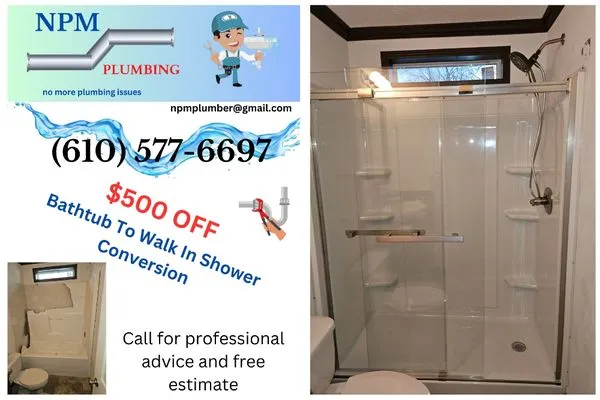
NPM Plumbing is a family-owned plumbing business serving Lehighton, PA, and surrounding Carbon County areas with over 27 years of experience. We handle everything from routine maintenance and repairs ...
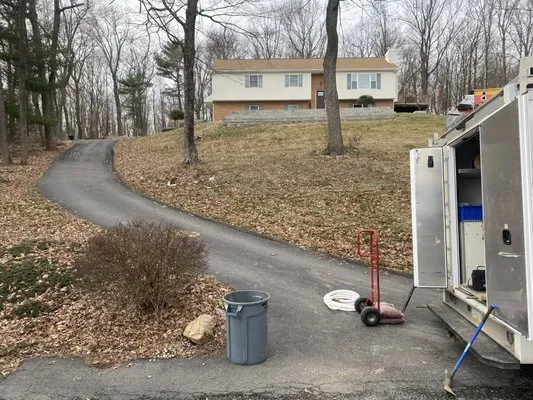
Andreas Plumbing, Heating & Air Conditioning
Andreas Plumbing, Heating & Air Conditioning is a family-run, four-generation business proudly serving Lehighton and the surrounding Carbon County area. Founded on a deep commitment to the community, ...
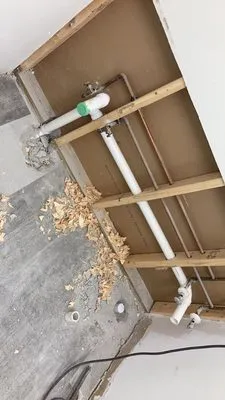
Star Plumbing and Fixture Repair is a locally owned and operated plumbing service in Stiles, PA, founded by Tim, who brings 4 years of hands-on experience from working with various companies on projec...
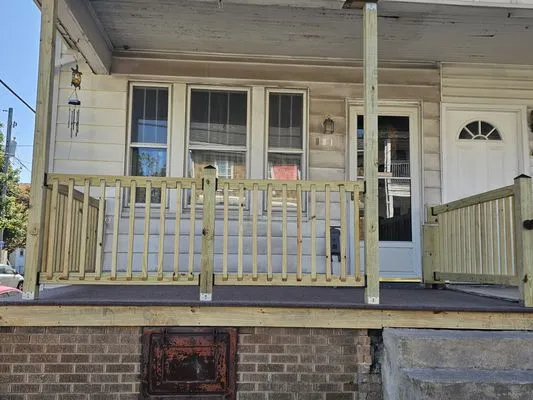
Lynn's Handyman Services is a trusted local provider in Tamaqua, PA, offering comprehensive home repair and maintenance solutions. With expertise spanning appliance installation and repair, plumbing, ...
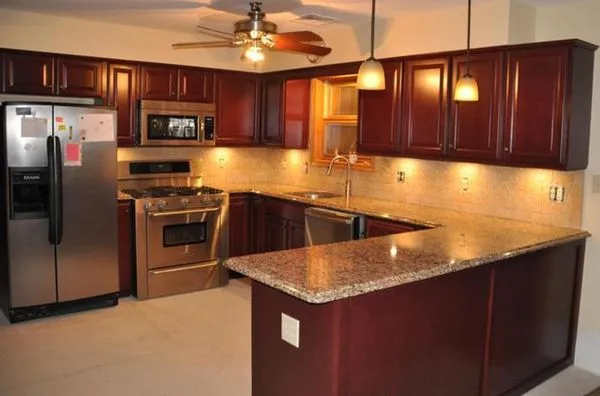
Agosto Plumbing & Remodeling
For over 20 years, Agosto Plumbing & Remodeling has been the trusted local choice for Lehighton residents and surrounding counties. We specialize in comprehensive residential plumbing and remodeling, ...
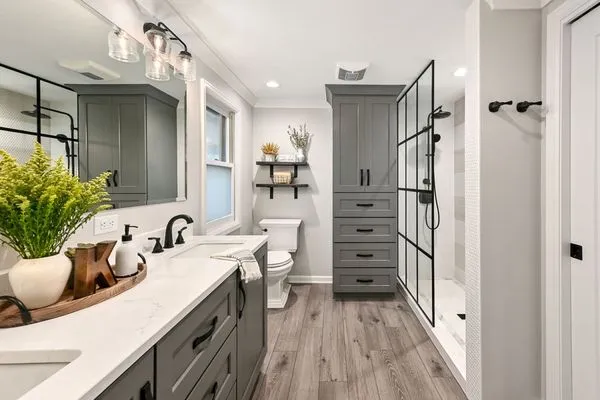
Stancl Services is a family-owned, locally operated handyman business in Lansford, PA, dedicated to helping homeowners with a wide range of repair and installation needs. With years of experience work...
Integrity Plumbing And Heating is your trusted, full-service plumbing partner serving homeowners throughout Reading, PA, and the surrounding areas. We specialize in residential plumbing and heating, h...
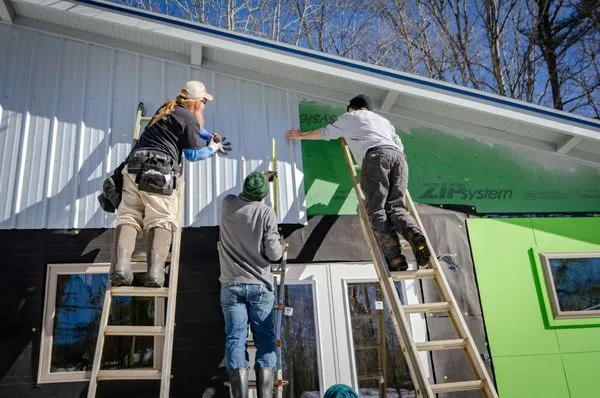
Knights For Christ is a faith-based remodeling and construction company serving the Freeland, PA community. We provide a comprehensive range of home improvement services, from kitchen and bathroom ren...
Berks Plumbing Specialist
For over 40 years, Berks Plumbing Specialist has been the Reading, PA area's trusted family-owned plumbing company. We provide reliable, 24/7 emergency service for everything from routine repairs to m...

1776 Plumbing & Drains
1776 Plumbing & Drains is a locally owned and operated plumbing company serving Shermans Dale and all of Central Pennsylvania. Our team brings over 50 years of combined hands-on experience to every jo...
Estimated Plumbing Costs in Cleveland Township, PA
Frequently Asked Questions
Does hard well water damage my plumbing fixtures?
Yes, hard water from private wells causes significant scale buildup. This mineral accumulation reduces water pressure by narrowing pipes and drastically shortens the lifespan of water heaters by coating heating elements. Fixtures like showerheads and faucet aerators will clog frequently without a whole-house water softener or regular descaling maintenance.
Can the hilly land around here cause plumbing problems?
The sloped terrain common near Nescopeck State Park affects drainage and places static stress on your main water line. A house built on a hillside may have drainage that channels water toward the foundation, and the main supply line can be subject to settling or shear stress over time, leading to leaks at the entry point or under the slab.
Who pulls the permits for a water heater replacement in Cleveland Township?
Permits for plumbing work are filed with the Cleveland Township Zoning and Building Department, and all work must comply with Pennsylvania Department of Labor and Industry codes. As a licensed master plumber, I handle that red tape—securing inspections and ensuring the installation meets all current standards—so you don't have to navigate the process yourself.
How fast can a plumber get to my house near Cleveland Corners?
Heading past Nescopeck State Park on I-80 is the primary route into Cleveland Township. From there, we navigate the local roads. Typical dispatch time from the initial call to arrival at your property is 45 to 60 minutes, accounting for rural road conditions and precise location.
Why do my old copper pipes keep springing pinhole leaks?
Copper installed in 1974 is prone to pinhole leaks due to decades of internal corrosion and scale buildup from our hard water. The failure often starts at joints where the solder has degraded or where pipe walls have thinned from constant, low-velocity water flow. Replacing entire sections with new copper and dielectric unions at connections to steel appliances is the reliable fix.
What should I do to my pipes before a cold snap in this area?
When temperatures approach 18°F, disconnect and drain all outdoor hoses. Insulate pipes in unheated crawl spaces, and let a cold faucet drip slightly to maintain water movement. The bigger annual risk here is the spring thaw; check for new damp spots in your basement as frozen ground melts and shifts, which can stress pipe fittings.
Is it normal for copper pipes from the 1970s to start failing in Cleveland Township?
Copper pipes installed around 1974 are now about 52 years old. It is common to see pinhole leaks or thinning at the solder joints in homes throughout Cleveland Corners at this stage. The metal has experienced decades of thermal expansion, water chemistry changes, and natural wear, leading to a predictable increase in isolated leaks, often behind walls or under slabs.
Are there special plumbing concerns for a rural home with a well and septic?
Rural systems require specific maintenance. For your well, the pressure tank and switch are critical components that fail more often than the pump itself. For the septic system, avoid chemical drain cleaners that kill the necessary bacteria, and have the tank pumped every 3-5 years to prevent backups that can reach your home's lowest drains.
