Top Emergency Plumbers in Chestnuthill, PA, 18210 | Compare & Call

There are 192 plumbing companies server in Chestnuthill PA

Zoom Drain in Plymouth Meeting, PA, is built on a legacy of family, hard work, and dedication to local service. Founded nearly three decades ago by Jim Criniti and his family, the business grew from a...

Founded in 2019 by a plumber with over 23 years of hands-on experience, BJC Plumbing & Drain Services is a trusted, locally-owned contractor in Bethlehem, Pennsylvania. We bring the expertise earned f...

Robinson Plumbing is a licensed plumbing contractor serving Allentown, PA, and the surrounding communities since 2008. We provide comprehensive residential and commercial plumbing services, from routi...

Benjamin Franklin Plumbing
Benjamin Franklin Plumbing in Bethlehem, PA, provides reliable plumbing services for local homeowners. When plumbing emergencies strike, our team is available 24/7 to address urgent issues like burst ...
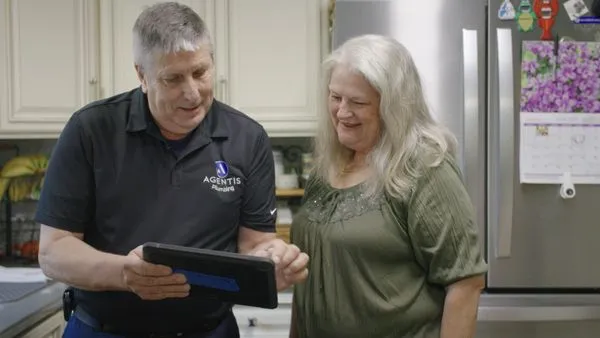
Agentis Plumbing
Agentis Plumbing is a third-generation, family-owned plumbing company that has been serving the Lehigh Valley, including Bethlehem, since 1954. We are your local Peace of Mind Plumber, committed to bu...
Ace Hardware Home Services
Ace Hardware Home Services in Allentown, PA, is a locally operated heating, cooling, and plumbing company with deep roots in the Lehigh Valley community. Originally established as Werley Heating & Air...
Hello, Bethlehem. I'm Vinicius, your neighbor and the owner of Vini Handyman. As a trusted local tradesperson, I bring years of hands-on experience and a commitment to straightforward, reliable servic...

Moser Plumbing Services
Moser Plumbing Services is a family-owned and operated plumbing business based in Allentown, PA, founded in 2020 by Chad and Dominique Moser. Chad is a Licensed Master Plumber in Pennsylvania with ove...
JJM Plumbing is a trusted, full-service plumbing company serving homeowners and businesses in Germansville, PA, and the surrounding Lehigh Valley. We specialize in addressing the common local plumbing...

Zoom Drain in Fogelsville is built on a deep family legacy in plumbing, started by our grandfather in 1948. Twenty years ago, we launched Zoom with our dad and brother from a spare bedroom, riding tog...
Estimated Plumbing Costs in Chestnuthill, PA
Q&A
How quickly can a plumber reach my home in Chestnut Hill?
Heading past Wissahickon Valley Park on PA-309 gets me into your neighborhood within 30-45 minutes from most calls. That route avoids downtown congestion and lets me maintain a consistent response time. I keep my truck stocked with common repair parts for copper systems so I can often handle the job in one visit. For emergencies like burst pipes, I prioritize these routes to minimize water damage before it spreads.
Does hard water from the Schuylkill River damage my plumbing fixtures?
Hard water from the Schuylkill causes scale buildup that reduces water heater efficiency and clogs faucet aerators. Minerals like calcium and magnesium deposit on heating elements, forcing your water heater to work harder and use more energy. In fixtures, scale restricts water flow and can corrode rubber washers and seals. Installing a whole-house water softener or using dielectric unions at connections helps mitigate these effects and extends the life of your plumbing hardware.
Why do my copper pipes keep springing leaks even after repairs?
Copper pipes from the late 1980s often fail due to joint calcification and pinhole leaks. Over 38 years, minerals in our hard water accumulate at solder joints, creating brittle spots that crack under pressure. Pinhole leaks develop where the pipe wall thins from internal corrosion. Simply patching one leak doesn't address the systemic weakness throughout the plumbing. A professional assessment can identify whether spot repairs or partial repiping makes more sense for your home's specific condition.
As a suburban homeowner, what plumbing issues are unique to my type of property?
Suburban homes here typically connect to municipal water with consistent pressure that tests pipe integrity over decades. Tree roots seeking moisture often infiltrate older sewer laterals, causing slow drains or blockages. Unlike rural properties with wells and septic systems, you rely on city infrastructure, so maintaining your lateral line from the house to the street is your responsibility. Regular maintenance like drain cleaning and valve checks prevents small issues from becoming disruptive repairs.
My house was built around 1988 with copper pipes. What should I expect at this age?
Copper pipes installed in 1988 are now 38 years old. Homeowners in Chestnut Hill are seeing pinhole leaks develop in hot water lines and at joints where solder has weakened. This happens because decades of water flow and mineral buildup create thin spots in the pipe walls. You might notice small damp patches on ceilings or walls, or hear dripping sounds inside walls. It's a predictable failure point for copper at this age, and addressing it early prevents larger water damage.
Do I need permits for plumbing work in Chestnut Hill, and who handles that?
Philadelphia Department of Licenses and Inspections requires permits for most plumbing alterations, and I hold Pennsylvania Department of Labor and Industry credentials to file them. I handle the red tape so you don't have to—this includes pulling permits, scheduling inspections, and ensuring work meets current code. Proper documentation protects your home's value and ensures safety standards are met. Attempting unpermitted work can lead to fines and complications when selling your property.
Could the hilly terrain near Wissahickon Valley Park affect my home's drainage?
Hilly slopes in our area put stress on main sewer lines and can cause drainage issues. Gravity pulls wastewater downhill, but soil shifting on inclines may misalign pipe joints or create low spots where debris collects. Heavy rains can overwhelm drainage systems on slopes, leading to backups. For homes built on grades, regular camera inspections of the main line identify developing problems before they become emergencies. Proper grading around your foundation also helps direct water away from the structure.
What should I do to prepare my plumbing for spring in this area?
Our temperate climate sees lows around 26°F with spring thaw creating pressure spikes in pipes. Before thaw season, insulate exposed pipes in unheated spaces like crawlspaces and attics. Check that outdoor spigots are properly winterized and haven't developed cracks from freeze cycles. Monitor your water pressure during rapid temperature swings—a pressure regulator can prevent joints from failing. These steps reduce the risk of emergencies when frozen pipes thaw and expand.
