Top Emergency Plumbers in Centre, PA, 19506 | Compare & Call

There are 238 plumbing companies server in Centre PA

Hi, I'm Jim Morrow, owner-operator of James Morrow Electrician. My passion for electrical work started in 9th grade shop class—I wasn't just satisfied to see a light turn on; I needed to understand th...
1-Tom-Plumber is a trusted plumbing service in Tarentum, PA, offering comprehensive solutions for both residential and commercial clients. Available 24/7/365, we specialize in everything from routine ...
Metz Plumbing & Sewer Lining LLC is a family-owned plumbing service rooted in Canonsburg, PA, with over 20 years of industry experience. Founded by professionals who previously managed a large local c...
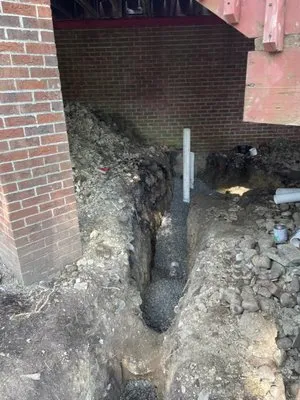
G Horvath Plumbing is a trusted, locally-owned plumbing service serving Pittsburgh and the surrounding communities. As a full-service plumbing contractor, they handle everything from routine repairs t...

Zoom Drain of Pittsburgh is a locally owned and operated plumbing service founded by Pittsburgh native Mark Puzas. With deep roots in the community and a background in accounting and real estate, Puza...
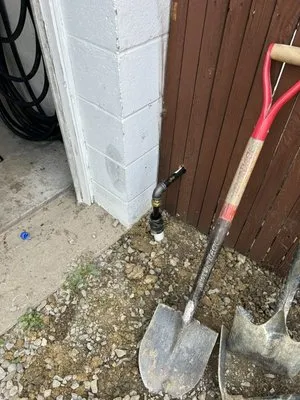
Kaleb's Kustom Plumbing is a veteran-owned company serving Pittsburgh, founded in 2023 on principles of integrity, honesty, and respect. As a proud Air Force veteran, husband, and father of four, owne...

RJS Plumbing is a locally-owned and operated Pittsburgh plumbing service built on a foundation of integrity and fairness. After nearly two decades working for other companies in the area, owner Ryan r...

Steve the Plumber is a Pittsburgh-based plumbing and electrical service provider with eight years of hands-on experience in the trade. Working under a master plumber since 2017, Steve now operates ind...
Day to Day Plumbing has been Pittsburgh's trusted plumbing partner since 2019, providing reliable and professional solutions for homeowners and businesses throughout the area. We specialize in compreh...
MK Plumbing is a trusted, licensed plumbing service operating out of Indiana, PA, and serving homeowners and businesses in Penn Run and the surrounding area. We provide a comprehensive range of servic...
Estimated Plumbing Costs in Centre, PA
FAQs
Could the hilly land around here be causing my drainage problems?
The hilly terrain around Penn's Cave and across the area directly impacts drainage. A home built on a slope can have excessive hydrostatic pressure against the foundation, stressing the main sewer line. We often find that the downhill side of a property collects water, which can infiltrate older pipe joints or septic systems if the grading isn't properly maintained.
Are there special plumbing considerations for a rural home with a well and septic system?
Yes, the entire system is your responsibility. A failing pressure tank or well pump requires immediate attention to avoid being without water. For the septic system, avoid chemical drain cleaners, as they kill the bacteria needed for waste breakdown. We recommend having the septic tank pumped and inspected every three to five years, depending on household size.
What's the most important thing I should do to my plumbing before winter in Centre, PA?
The critical task is to disconnect and drain all outdoor hoses before temperatures hit that 18°F low. A frozen hose bib can burst the pipe inside the wall, causing major damage. Also, know the location of your main water shut-off valve. During the spring thaw, check your basement for any new dampness, as ground shifts can stress pipe connections.
If I have a plumbing emergency, how long will it take for a master plumber to get to my house?
From our shop, the dispatch route typically heads past Penn's Cave on PA-45 and then into the surrounding valleys and hills. Barring heavy weather or road work, that puts us at most homes in the Centre area within 45 to 60 minutes. We factor in the local terrain and use real-time traffic to provide an accurate ETA when you call.
My house in Centre Hall Village was built in the 1980s. What kind of plumbing problems should I expect now?
Homes built around 1981 now have copper piping that is 45 years old. At this age, we consistently see pinhole leaks developing, especially in hot water lines where the copper has thinned from decades of mineral abrasion. The joints and elbows are also prone to calcification, which restricts flow and can cause pressure issues. This isn't a question of if, but when these failures will occur in our area.
Does having a private well with hard water damage my plumbing fixtures?
Absolutely. Hard water from a private well deposits scale inside pipes and appliances. Your water heater's elements and tank are especially vulnerable; scale buildup insulates the heating elements, forcing them to work harder and fail sooner. It also clogs showerheads and faucet aerators, reducing pressure and efficiency throughout the home.
Do I need a permit to replace my water heater in Centre Hall Borough?
Yes, most plumbing work, especially water heater replacement, requires a permit from the Centre Hall Borough Building Department. The installation must comply with Pennsylvania Department of Labor and Industry codes. As a licensed master plumber, I pull those permits, schedule the inspections, and handle the red tape so you don't have to, ensuring the job is done correctly and legally.
Why do my copper pipes keep getting pinhole leaks?
Copper installed in 1981 was often type M, a thinner-wall tubing. After 45 years, the combination of our hard water and the natural electrolysis between copper and other metals wears through specific spots. We find these pinhole leaks most often on horizontal hot water runs and at dielectric unions that may have failed, accelerating the corrosion.
