Top Emergency Plumbers in Canoe Township, PA, 15742 | Compare & Call

There are 194 plumbing companies server in Canoe Township PA
Ricket's Construction serves Thompson, OH, with a dual focus on commercial and residential property maintenance and improvement. While we specialize in commercial maintenance—including lawn care, faci...
1-Tom-Plumber is a trusted plumbing service in Tarentum, PA, offering comprehensive solutions for both residential and commercial clients. Available 24/7/365, we specialize in everything from routine ...
Metz Plumbing & Sewer Lining LLC is a family-owned plumbing service rooted in Canonsburg, PA, with over 20 years of industry experience. Founded by professionals who previously managed a large local c...
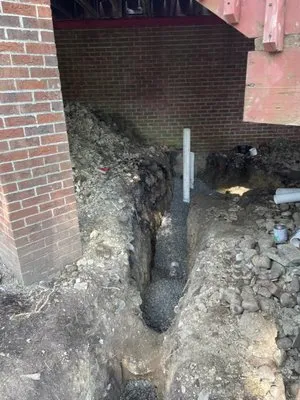
G Horvath Plumbing is a trusted, locally-owned plumbing service serving Pittsburgh and the surrounding communities. As a full-service plumbing contractor, they handle everything from routine repairs t...
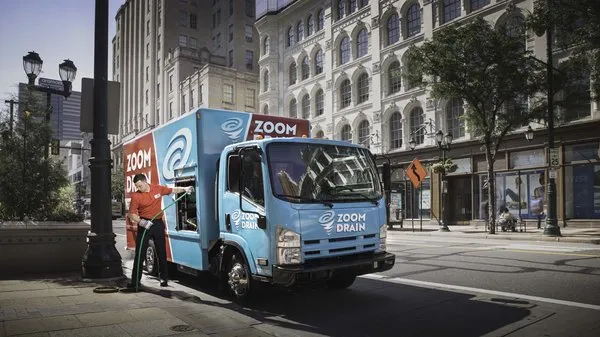
Zoom Drain of Pittsburgh is a locally owned and operated plumbing service founded by Pittsburgh native Mark Puzas. With deep roots in the community and a background in accounting and real estate, Puza...
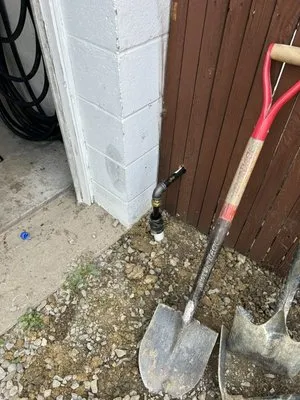
Kaleb's Kustom Plumbing is a veteran-owned company serving Pittsburgh, founded in 2023 on principles of integrity, honesty, and respect. As a proud Air Force veteran, husband, and father of four, owne...

RJS Plumbing is a locally-owned and operated Pittsburgh plumbing service built on a foundation of integrity and fairness. After nearly two decades working for other companies in the area, owner Ryan r...
Perfect Pipes Plumbing is a trusted local plumbing service in Pittsburgh, PA, dedicated to helping homeowners tackle common plumbing problems like garbage disposal jams and broken shutoff valves. With...

Steve the Plumber is a Pittsburgh-based plumbing and electrical service provider with eight years of hands-on experience in the trade. Working under a master plumber since 2017, Steve now operates ind...
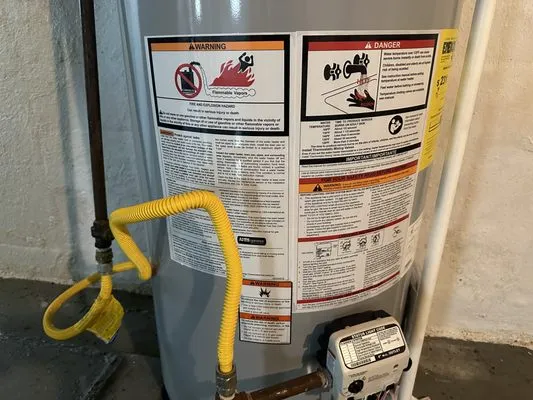
Day to Day Plumbing has been Pittsburgh's trusted plumbing partner since 2019, providing reliable and professional solutions for homeowners and businesses throughout the area. We specialize in compreh...
Estimated Plumbing Costs in Canoe Township, PA
Q&A
How fast can you get to my house if I have a leak?
My standard dispatch route heads past Canoe Creek State Park on US-119, which gives me reliable access to most of the township. From there, I'm looking at a 45 to 60 minute response to reach your property. Knowing these backroads helps me avoid delays, so I can get my tools on your problem without unnecessary travel time.
Why are so many homes in Canoe Township suddenly having pipe problems?
The original galvanized steel plumbing systems here were installed around 1961. That puts them at 65 years old in 2026, which is well beyond their typical 50-year lifespan. Homeowners are now seeing widespread failures like rust-clogged lines and complete loss of pressure, as the steel interior has corroded to the point of collapse. It's a predictable, area-wide issue we're addressing every week.
What's the best way to prepare my plumbing for spring?
The key is acting before the spring thaw, when our overnight lows can still hit 18°F. Insulate any pipes in unheated crawl spaces or along exterior walls. Make sure your outdoor hose bibs are shut off and drained from inside the house. A pro-tip for this temperate climate is to keep cabinet doors under sinks open on cold nights to let warm air circulate, which is often enough to prevent a freeze-up.
Are septic and well system repairs different in a rural area like this?
They require a specific approach. Without municipal sewer, a failing septic system can back up into your home just like a city sewer problem, but the repair involves excavation and health department codes. For well systems, a loss of pressure often means checking the pump, pressure tank, and the well casing itself—components city homes don't have. Sourcing water and managing waste on your own property adds layers to any plumbing job.
Could the hilly land around Canoe Creek be causing my drainage issues?
The steep slopes common here absolutely stress drainage systems. Gravity works harder on your main sewer line, which can accelerate wear and lead to bellies or sags in the pipe over time. For homes built into a hillside, surface water runoff during heavy rain can also overwhelm perimeter drains. Proper grading away from your foundation is critical to manage that water flow.
Does our hard well water damage plumbing appliances?
Yes, the mineral-heavy water from private wells here causes significant scale buildup. Inside a water heater, that scale acts as an insulator, forcing the unit to work harder and burn out its elements prematurely. You'll also see it crusting on faucet aerators and showerheads, reducing flow and efficiency. Installing a proper whole-house water softener is the most effective long-term protection for your hardware.
Who pulls the permits for a major repipe or water heater replacement?
I handle all required permits and inspections through the Indiana County Office of Planning and Development. As a licensed Master Plumber registered with the Pennsylvania Department of Labor and Industry, I'm obligated to pull these permits for your protection. This ensures the work meets current code, which is crucial for insurance and home value. My credential means I manage the red tape so you don't have to.
My galvanized pipes are leaking from tiny holes. What's happening?
That's a classic pinhole leak from 1960s-era galvanized steel. After six decades, the protective zinc coating has worn off, leaving the bare steel to rust from the inside out. The pipe wall thins until it fails at its weakest point, often at a threaded joint or where sediment has collected. These leaks rarely stop on their own and usually indicate the rest of the line is nearing failure.
