Top Emergency Plumbers in Brokenstraw, PA, 16329 | Compare & Call

There are 21 plumbing companies server in Brokenstraw PA
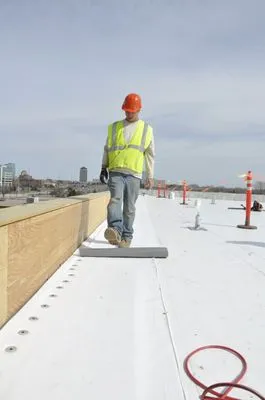
Ricket's Construction serves Thompson, OH, with a dual focus on commercial and residential property maintenance and improvement. While we specialize in commercial maintenance—including lawn care, faci...
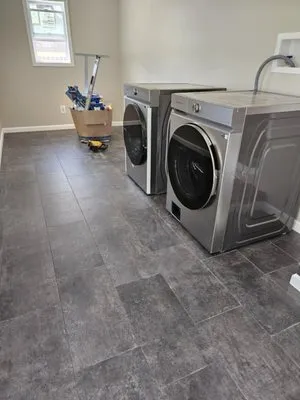
Freeman Construction Co LLC is a family-owned and operated business serving Pleasantville and the surrounding area for over 25 years. Founded by Richard, a contractor known for his hands-on expertise ...
Pipeworks Plumbing Heating & Air Conditioning
Pipeworks Plumbing Heating & Air Conditioning is a trusted, locally-owned contractor proudly serving Warren, Forest, and McKean counties since 1994. Our team of licensed professionals is dedicated to ...
RTS Home Improvement is your trusted local home service provider in Clarendon, PA, specializing in both electrical and plumbing solutions to keep your home safe and functional. Our skilled carpenters,...

A & B Heating & Sheet Metal
Since 1953, A & B Heating & Sheet Metal has been the trusted name for heating, cooling, and plumbing services in Warren, Pennsylvania, and the surrounding NW PA and SW NY region. The family-owned comp...
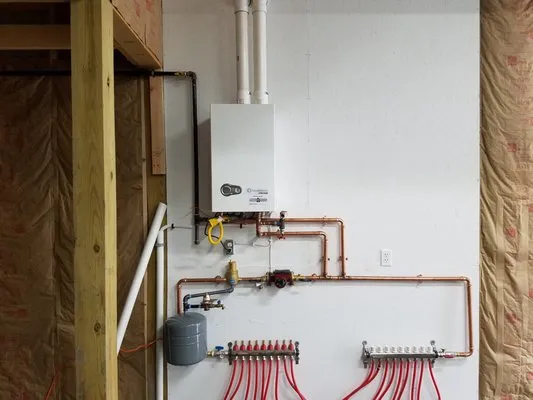
Lauffenburger Heating & Air
For over 25 years, Lauffenburger Heating & Air has been the trusted local choice for dependable HVAC and plumbing solutions in Warren, Pennsylvania, and the surrounding region. As a licensed contracto...
Warren Webster Plumbing & Heating
Warren Webster Plumbing & Heating is a trusted, locally-owned contractor serving Warren, PA, and the surrounding areas. As a licensed and insured provider, we specialize in the installation, repair, a...
D.A. Cummings Plumbing is your trusted, local plumbing expert serving Warren, PA, and the surrounding areas. We specialize in comprehensive plumbing inspections, a crucial first step in identifying an...
Preferred Enterprises
For over 25 years, Preferred Enterprises has been a trusted home service provider for residents throughout Warren County. Our team specializes in a comprehensive range of services designed to maintain...
Arzner's Plumbing & Heating is a trusted, local plumbing service in Warren, PA, dedicated to keeping homes and businesses running smoothly. We understand the common plumbing challenges in our area, pa...
Estimated Plumbing Costs in Brokenstraw, PA
Questions and Answers
Do I need a permit to replace my water heater, and who handles that?
Yes, most plumbing replacements, including water heaters, require permits from the Warren County Planning and Zoning Department to ensure the work meets current code. As a licensed master plumber, my credentials with the Pennsylvania Department of Labor and Industry allow me to pull these permits directly. I handle all the red tape, scheduling inspections, and ensuring the installation passes code, so you don't have to navigate the paperwork yourself.
My water pressure has dropped and the water is sometimes discolored. What's happening with my pipes?
Homes built around Youngsville Center in 1961 have galvanized steel pipes that are now 65 years old. At this age, the interior zinc coating has worn away completely, exposing the raw steel to constant moisture. This leads to severe internal rust and scale buildup, which narrows the pipe diameter. You see this as a significant drop in flow at multiple fixtures and reddish-brown water, especially after periods of non-use. It's the final stage of the pipe's lifespan.
Does the local water cause problems for water heaters and faucets?
Water from Brokenstraw Creek and the local aquifer is very hard, meaning it's high in dissolved minerals like calcium and magnesium. As the water heats in your tank, those minerals solidify into a rock-like scale. This coating insulates the heating elements, forcing them to work harder and fail sooner. You'll also find scale clogging faucet aerators and showerheads, reducing flow and requiring frequent cleaning.
As a rural homeowner with a well and septic, what should I watch for?
Your private well pump and pressure tank are your water source, so listen for short-cycling—the pump turning on and off rapidly—which indicates a failing tank or a pressure switch issue. For your septic system, avoid using chemical drain cleaners as they kill the necessary bacteria in the tank. Schedule a septic inspection and pumping every three to five years to prevent a costly backup, which is the main emergency we see with rural systems.
How long does it take for a plumber to get to Brokenstraw for an emergency call?
From our local shop, the dispatch route typically has us heading past Brokenstraw Valley Winery onto US-6. Barring heavy weather or roadwork, that puts most homes in the Brokenstraw area within a 45 to 60 minute window from the initial call. We factor in the winding, rural roads when giving our estimated arrival time so you know what to expect.
What's the most important thing to do with my plumbing before spring?
Before the spring thaw hits its peak, disconnect any garden hoses from your exterior faucets. A hose left connected traps water in the bib, which then freezes during a 15-degree night and expands. This splits the pipe inside your wall, leading to a major leak when that ice finally melts. Installing frost-proof hose bibs is a permanent solution, but simply removing the hose every fall is a critical, no-cost habit.
Why do I keep getting small leaks in my old metal pipes?
Galvanized steel from 1961 is prone to pinhole leaks caused by a process called galvanic corrosion. Where two dissimilar metals meet, like at a brass valve or copper fitting, a weak electrical current accelerates rust at that joint. Over 65 years, this eats through the pipe wall, starting as a tiny drip. These leaks most commonly appear at threaded joints and unions, and patching them is often temporary as the surrounding metal is also compromised.
Could the hilly land around here be affecting my drainage or main line?
The sloping terrain, like the land around Brokenstraw Valley Winery, puts constant gravitational stress on the main water line running from the street to your house. Over decades, this can cause the pipe to settle or develop stress fractures at connections. For drainage, a house built into a hillside may have a sewer line with insufficient slope, leading to chronic slow drains as waste struggles to flow downhill against the natural grade of the land.
