Top Emergency Plumbers in Briar Creek Township, PA, 18603 | Compare & Call

Briar Creek Township Emergency Plumbers
Phone : (888) 860-0649
There are 105 plumbing companies server in Briar Creek Township PA
NPM Plumbing is a family-owned plumbing business serving Lehighton, PA, and surrounding Carbon County areas with over 27 years of experience. We handle everything from routine maintenance and repairs ...

Elek Plumbing has been serving Allentown and the Lehigh Valley since 1913, when Hungarian immigrant William Elek Senior founded the business in Bethlehem. Now in its third generation of family ownersh...
Andreas Plumbing, Heating & Air Conditioning
Andreas Plumbing, Heating & Air Conditioning is a family-run, four-generation business proudly serving Lehighton and the surrounding Carbon County area. Founded on a deep commitment to the community, ...
My journey in hands-on repair started young, right in the basement of my childhood home. At age eleven, I found some wire and an outlet on my dad's workbench and decided to install it myself. I manage...
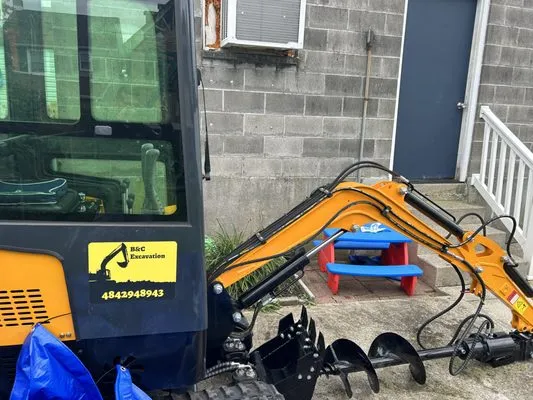
B&C Excavation is a family-owned and operated business proudly serving Allentown and the Lehigh Valley. Our foundation is built on over 20 years of combined experience, including 8 years of service wi...
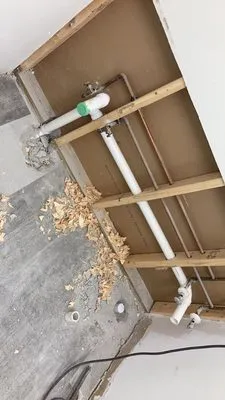
Star Plumbing and Fixture Repair is a locally owned and operated plumbing service in Stiles, PA, founded by Tim, who brings 4 years of hands-on experience from working with various companies on projec...
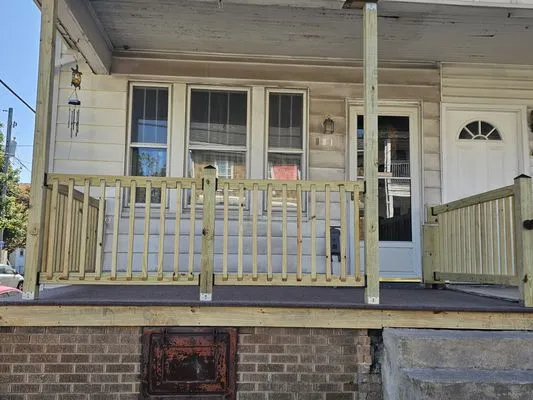
Lynn's Handyman Services is a trusted local provider in Tamaqua, PA, offering comprehensive home repair and maintenance solutions. With expertise spanning appliance installation and repair, plumbing, ...
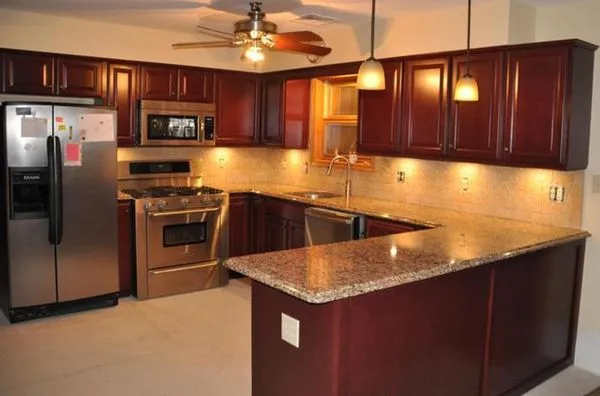
Agosto Plumbing & Remodeling
For over 20 years, Agosto Plumbing & Remodeling has been the trusted local choice for Lehighton residents and surrounding counties. We specialize in comprehensive residential plumbing and remodeling, ...
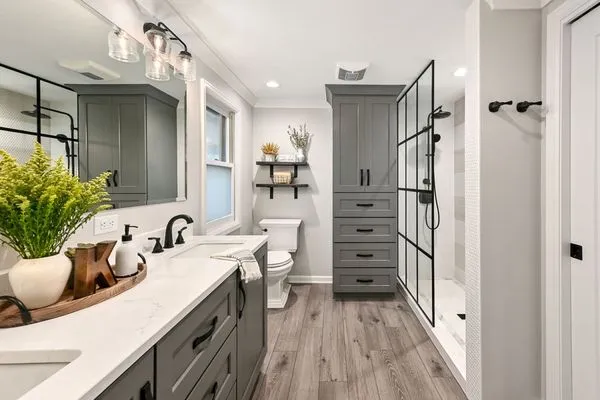
Stancl Services is a family-owned, locally operated handyman business in Lansford, PA, dedicated to helping homeowners with a wide range of repair and installation needs. With years of experience work...
Integrity Plumbing And Heating is your trusted, full-service plumbing partner serving homeowners throughout Reading, PA, and the surrounding areas. We specialize in residential plumbing and heating, h...
Estimated Plumbing Costs in Briar Creek Township, PA
Q&A
How fast can a plumber get to me in Briar Creek Township?
My typical dispatch route has me heading past Briar Creek Lake Park on US-11. Depending on traffic and the specific location off the main road, I can usually be on-site within 30 to 45 minutes for an urgent call. I keep my truck stocked for common copper repair jobs to minimize extra trips.
My yard is on a slope near the lake park. Could that cause drainage issues?
Hilly terrain absolutely affects your main sewer line. The constant soil movement and settling on a slope can put lateral stress on pipes, leading to misaligned joints or even cracks over time. For properties with significant elevation changes, I recommend a sewer camera inspection every few years to monitor the line's integrity and catch problems before they cause a backup.
What's one thing I should do every spring to avoid a plumbing disaster?
Before the spring thaw hits its peak, make a point to inspect all exposed pipes in your basement, crawlspace, or garage. Look for any condensation or minor seepage that wasn't there during the deep freeze. Temperate climates like ours see a big shift in ground moisture and pressure; catching a small leak early prevents major water damage when the ground fully saturates.
Why are my copper pipes starting to leak all of a sudden?
Homes built around 1978 in Briar Creek Borough are hitting a 48-year mark in 2026. Copper pipe from that era is now showing its age through pinhole leaks caused by decades of water flow and internal corrosion. You might notice small green stains on pipe fittings or a sudden drop in water pressure. This is a predictable lifecycle event for plumbing of this vintage.
Does water from the Susquehanna River ruin water heaters?
Indirectly, yes. The river feeds our aquifer, which has very hard water. That mineral content accelerates scale buildup inside your water heater's tank and on its heating elements. This reduces efficiency, increases energy bills, and shortens the appliance's lifespan. Installing a whole-house water softener is the most effective defense for protecting all your fixtures and appliances.
As a rural homeowner, what unique plumbing systems should I maintain?
Your focus should be on the well and septic system, not just the house pipes. Have your well pump and pressure tank serviced periodically, and pump your septic tank every three to five years. A failing pressure switch on the well or a full septic tank are common rural emergencies that municipal homeowners never have to think about.
Do I need a permit to replace my own water heater?
Yes, in Columbia County, water heater replacements require a permit from Planning and Zoning for inspection. As a master plumber licensed by the Pennsylvania Department of Labor and Industry, I pull all necessary permits and schedule the inspections. I handle that red tape so you don't have to, ensuring the installation meets current code for safety and insurance purposes.
What's the most common plumbing repair for a 1970s home here?
The specific issue I see most is joint calcification in 48-year-old copper systems. Mineral scale from our hard water builds up inside fittings over decades, eventually stressing the solder and creating leaks. Repairs often involve cutting out a section of pipe and using a dielectric union to prevent future galvanic corrosion between the old copper and any new brass or steel fittings.
