Top Emergency Plumbers in Brecknock, PA, 17507 | Compare & Call

There are 238 plumbing companies server in Brecknock PA
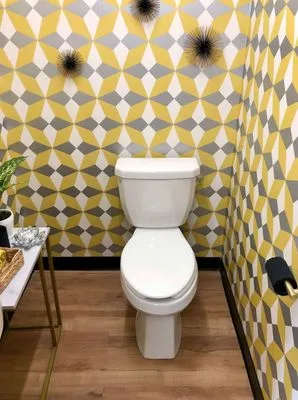
Glenolden Plumbing Services is a locally-owned plumbing business in Philadelphia, PA, founded in 2017 by master plumber Sabrina. With over a decade of experience, Sabrina has built a reputation for re...
Zoom Drain in Plymouth Meeting, PA, is built on a legacy of family, hard work, and dedication to local service. Founded nearly three decades ago by Jim Criniti and his family, the business grew from a...
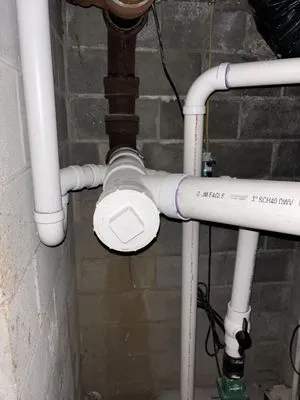
Clear Flow Drain Cleaning & Plumbing is a trusted local plumbing service based in Philadelphia, PA, dedicated to keeping homes and businesses running smoothly. We specialize in a comprehensive range o...
Burnside Plumbing and Heating
Burnside Plumbing and Heating is a true family operation, built on generations of plumbing expertise right here in Berwyn. Founded by Greg, a master plumber since 1984 who learned the trade from his f...
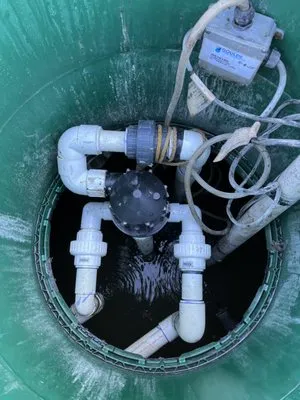
Penn Forge is a trusted, full-service handyman company serving Nottingham, PA, and the surrounding communities. We specialize in electrical work, plumbing, drywall repair, floor installation, and comp...
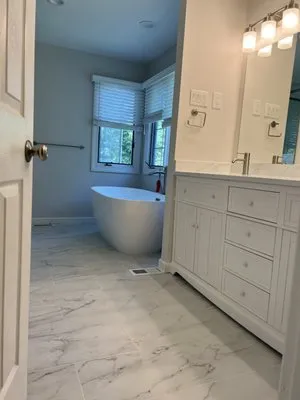
Blue Contracting is a licensed construction and remodeling company serving Plymouth Meeting, PA, and the greater Philadelphia area. We provide a comprehensive range of services tailored for both resid...
J.L. Ricciutti LLC is a family-owned and operated plumbing and HVAC business serving Newtown Square, PA, with over 25 years of combined experience. Founded in August 2023 by John Ricciutti, a graduate...
Mattioni Plumbing, Heating & Cooling
Mattioni Plumbing, Heating & Cooling has been a trusted family-owned provider in Southeastern Pennsylvania since 1948, originally operating from a barn on the Mattioni family farm along Route 113 in D...
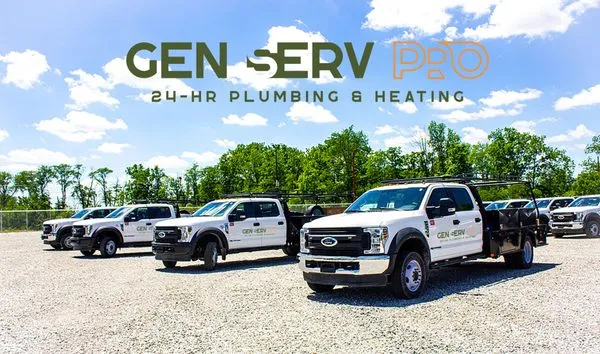
GenServ Pro is your trusted local partner for home improvement and essential systems in Media, PA. Our licensed team provides reliable plumbing and HVAC services alongside comprehensive remodeling and...

Hi, I'm Jim Morrow, owner-operator of James Morrow Electrician. My passion for electrical work started in 9th grade shop class—I wasn't just satisfied to see a light turn on; I needed to understand th...
Estimated Plumbing Costs in Brecknock, PA
Question Answers
If I have a burst pipe, how long will it take for a plumber to get to my house in Brecknock?
From my shop, the dispatch route heads past Welsh Mountain to catch the Pennsylvania Turnpike. Barring major traffic, that puts me at your door in about 45 to 60 minutes. I always advise shutting off your main valve immediately and draining a faucet to relieve pressure while you wait.
As a rural homeowner with a well and septic, what plumbing issues should I watch for?
Your system operates independently, so vigilance is key. For the well, watch for sediment in fixtures, which can indicate a failing screen or pump. For the septic, be proactive about pumping the tank every 3-5 years and avoid putting grease or chemical cleaners down the drain. A failing septic field is a major repair, and symptoms often start as slow drains and soggy yard patches near the field lines.
What's the most important thing I should do to my plumbing before spring in this area?
Before the spring thaw hits its peak, disconnect and drain all outdoor hoses. A hose left connected traps water in the bib, which can freeze and crack the pipe inside your wall, even with our temperate averages. Insulating exposed pipes in unheated crawlspaces is also a wise move, as our lows can still dip to 22°F.
We have a private well with hard water. Is it damaging my water heater?
Absolutely. Hard water from a private well deposits mineral scale inside your water heater's tank and on its heating elements. This insulating layer forces the unit to work harder, significantly reducing its lifespan and efficiency. You'll notice shorter hot water runs and higher energy bills. Installing a whole-house water softener is the most effective defense for your heater and all your fixtures.
Do I need a permit from Brecknock Township to replace my water heater?
Yes, most plumbing replacements require a permit from the Brecknock Township Building Code Department. As a master plumber licensed by the Pennsylvania Department of Labor and Industry, I pull all necessary permits, schedule the required inspections, and ensure the work meets code. I handle that red tape so your project is documented and legal, protecting your home's value.
Could the hilly land around Welsh Mountain be causing my drainage problems?
The sloping terrain common here directly stresses your main sewer line. Gravity pulls waste downhill, but the constant pitch can cause sections of pipe to settle or separate at joints over time. This creates low spots where debris collects and leads to recurring clogs. It also increases the risk of root intrusion at those separated joints if you have trees on your property.
Why do my copper pipes from 1981 keep springing pinhole leaks?
Copper installed in 1981 is now subject to a specific failure mode. Aggressive local water, combined with decades of thermal cycling, causes a type of corrosion called Type 1 pitting. This creates concentrated pits that eventually perforate, leading to those frustrating pinhole leaks, often at solder joints or where pipes contact dissimilar metals without a proper dielectric union.
My house in Brecknock was built around 1981, and I'm getting a lot of blue-green stains in my sinks. Is this normal for older copper pipes?
That's a classic sign your 45-year-old copper plumbing is aging. We see this often in Bowmansville homes from that era. The blue-green staining is from pinholing, where microscopic corrosion breaches the pipe wall. This stage often brings a sudden increase in small leaks behind walls or under slabs, as the protective mineral layer inside the pipe finally wears through.
